

Africa CDC, PAHO seek sustained financing for pandemic preparedness

The Africa Centres for Disease Control and Prevention (Africa CDC) and the Pan American Health Organisation (PAHO) have called for sustained financing for pandemic prevention, preparedness and response.
This is to enable countries to respond quickly to future health emergencies.
The call was made at a high-level side event at the 81st United Nations General Assembly (UNGA) on Wednesday.
The event was titled “Two Regions, One Future: Financing Pandemic Prevention, Preparedness and Response to Build Global Health Security”.
It was organised by the Governments of Guyana and Burundi in collaboration with PAHO and Africa CDC, with support from the United Nations Foundation.
The meeting brought together leaders and partners from Africa and the Americas to examine how country-led priorities, stronger regional capacities and sustained financing could strengthen pandemic preparedness and build resilient health systems.
Jean Kaseya, director-general of Africa CDC, said countries should not wait for a health emergency before mobilising resources for response.
“The next pandemic will not wait for the world to mobilise after a crisis begins.
“We must invest before emergencies strike, with countries setting the priorities and strong regional institutions able to act quickly,” Mr Kaseya said.
He urged countries to define their preparedness priorities while national and regional institutions should have the capacity to respond rapidly when health threats emerge.
According to him, domestic, regional and international resources also need to be better aligned and made available for timely deployment.
He said Africa and the Americas had considerable experience, scientific expertise and response capacities that could be shared to strengthen health security in both regions.
He said predictable financing built around country priorities would help countries prepare for and respond to emerging health threats.
The Africa CDC chief said countries should not spend the initial days of an emergency searching for funds, negotiating financing arrangements or waiting for resources to be released.
PAHO Director Jarbas Barbosa said the COVID-19 pandemic had demonstrated the risks associated with excessive dependence on distant sources for essential medicines, vaccines, diagnostics and protective equipment.
“Preparedness is not a cost we pay during an emergency. It is an investment we make before one strikes,” Mr Barbosa said.
He said such investment was important for public health, economic resilience, social stability and collective security.
He said countries already had diagnostic tools, risk assessments and action plans, but sustained financing remained a major challenge.
“We must translate priorities into predictable, long-term investments, nationally, regionally and globally, and maintain those investments during the quiet periods between crises,” he said.
The discussions drew lessons from the COVID-19 pandemic and recent infectious disease outbreaks.
Participants identified disease surveillance and epidemic intelligence, laboratory and genomic surveillance, early warning, rapid response and emergency co-ordination as key areas requiring sustained investment.
They said investment in these areas would help countries prevent, detect and contain pathogens with epidemic and pandemic potential while protecting essential health services and reducing wider social and economic disruption.
President Mohamed Irfaan Ali of Guyana said the COVID-19 pandemic had exposed the risks of heavy dependence on external sources for essential medicines, vaccines, diagnostics and protective equipment.
Mr Ali called for increased scientific and technological capacity in the Global South.
“Science should know no North or South but access to its fruits must never depend on geography,” he said.
He said countries in the Global South should have the capacity, not only to access life-saving innovations but also to contribute to their development.
Zephyrine Manirataganda, Permanent Representative of Burundi to the UN, said the current Ebola outbreak in the Democratic Republic of the Congo (DRC) demonstrated the urgency of investing in preparedness and response.
Mr Manirataganda said countries in Africa, South America and the Caribbean faced similar structural health threats and could benefit from stronger South-South co-operation.
Participants emphasised the need to keep countries at the centre of pandemic preparedness, with governments defining priorities and directing investments according to their national risks, needs and capacities.
They said regional organisations such as PAHO and Africa CDC could complement national efforts through technical co-operation, cross-border co-ordination, knowledge exchange and the provision of regional public goods.
The meeting also called for a shift from crisis-driven funding to sustained and strategic investment in preparedness.
Participants said such investment would help protect lives, strengthen economic resilience and support national security and sustainable development.
Anne-Claire Amprou, French Ambassador for Global Health and moderator of the event, said no country could build pandemic preparedness capacity alone.
Ms Amprou identified cross-border surveillance networks, shared laboratory systems and emergency response capacity as collective resources requiring collective investment.
The dialogue, therefore, advanced a shared Africa-Americas agenda linking national priorities with regional capacities and more co-ordinated domestic, regional and global financing for health security.
The event was held ahead of the Second UN High-Level Meeting on Pandemic Prevention, Preparedness and Response, scheduled for September 25.
The meeting is expected to review progress since the first high-level meeting in 2023 and consider ways to sustain political commitment and financing for pandemic preparedness amid a constrained global funding environment.
The discussions also come as countries advance implementation of the WHO Pandemic Agreement and other global commitments aimed at strengthening health emergency preparedness and response.
(NAN)

We have recently deactivated our website's comment provider in favour of other channels of distribution and commentary. We encourage you to join the conversation on our stories via our Facebook, Twitter and other social media pages.

More from Peoples Gazette

Agriculture
FG tasks ECOWAS on leveraging financing strategies for agroecology
The federal government has urged stakeholders in the agriculture and finance sectors in the West Africa region to leverage financing strategies to enhance agroecology practices

Politics
Katsina youths pledge to deliver over 2 million votes to Atiku
“Katsina State is Atiku’s political base because it is his second home.”

Heading 4
2027: Adequate funding key to credible elections, says INEC
Mr Amupitan said sustained funding was necessary to provide security and logistics.

Heading 3
FG to review abandoned housing projects nationwide: Minister
Mr Darma expressed concern over the continued abandonment of government housing projects.
States
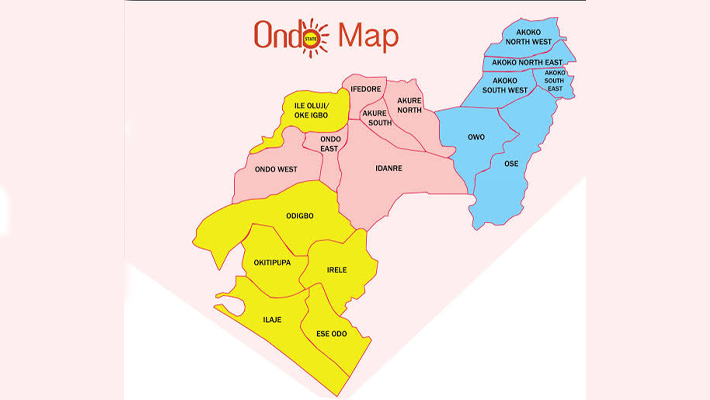
Ondo SEMA, Red Cross partner to strengthen disaster management
Mr Adelami commended the humanitarian organisation for its consistent interventions during emergencies.

Health
Nutrition central to human capital development: Gov Sani
The deputy governor advised states to pay attention to nutrition financing.

States
First Niger Bridge to remain closed until rehabilitation completed: Umahi
The bridge was closed to traffic for emergency rehabilitation following the discovery of vandalised structural components.
Education
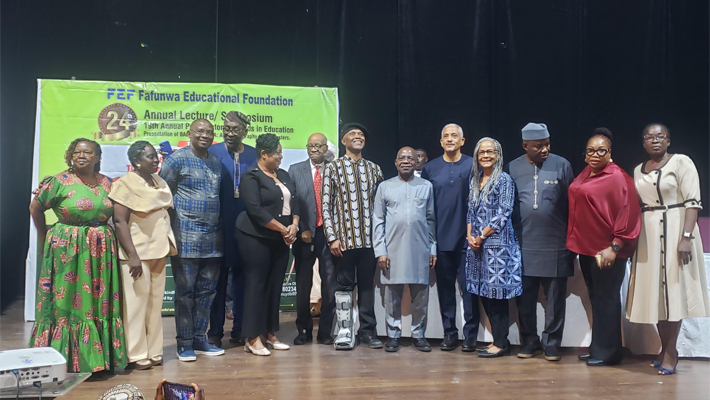
Fafunwa’s legacy remains strong, continues to inspire many, Otti says
Mr Fafunwa, a former education minister who died in 2012.


