

IMF warns collateral-backed financing can deepen liquidity risks for African borrowers

The International Monetary Fund has warned African borrowers that securing private credit from direct lenders with high-value collateral could increase default and liquidation risk.
In its Global Financial Stability Report, released on Tuesday, the IMF revealed that private direct lenders have issued nearly $2 trillion in loans worldwide.
“Direct lending is becoming increasingly relevant for financial stability. Having outgrown its origins as a niche financing channel, direct lending now accounts for nearly $2 trillion globally in loans,” the IMF said.
The IMF noted that although data suggested declining default rates among direct borrowers, the financing system remained untested in some areas and warned of growing vulnerabilities. It also stressed that private lenders often forced borrowers to take on significant contingent liquidity commitments.
“Its extensive cross-border interconnections between banks and nonbanks, combined with growing reliance on contingent funding arrangements and borrowers’ leverage, are creating risk transmission channels that have yet to be tested in a sharp tightening of financial conditions.
“Recent trends suggest that vulnerabilities are building in some areas, even as some data providers report declining trailing default rates among direct lending borrowers. This is in part because funds have provided flexibility to some borrowers by, for example, amending and extending loans,” the IMF stated.
The report also found that some borrowers, usually medium-sized companies, have been forced to take on additional debt, partly used for dividend recapitalisations, due to “pressure on private equity sponsors to return capital to investors”, leaving borrowers in continuous reliance on external financing.
“Although these transactions generate liquidity for investors, they leave borrowers more leveraged and less resilient. As a result, the ratio of the median borrower’s debt-to-EBITDA (earnings before interest, taxes, depreciation, and amortisation) has risen from 2024 through 2026, especially in the software and services industries.
“Elevated leverage helps explain the persistently large share of borrowers unable to generate sufficient cash flow to meet debt-servicing obligations, leaving many reliant on sponsor support, lender forbearance, or continued access to external financing to remain viable,” the report added.

We have recently deactivated our website's comment provider in favour of other channels of distribution and commentary. We encourage you to join the conversation on our stories via our Facebook, Twitter and other social media pages.

More from Peoples Gazette

States
Independence: NBA urges Nigerians to expect better future
The NBA said that ordinary Nigerians should be deriving benefit from the subsidy removal rather than hardship.

Agriculture
FG tasks ECOWAS on leveraging financing strategies for agroecology
The federal government has urged stakeholders in the agriculture and finance sectors in the West Africa region to leverage financing strategies to enhance agroecology practices

Politics
Katsina youths pledge to deliver over 2 million votes to Atiku
“Katsina State is Atiku’s political base because it is his second home.”
NationWide
U.S. keeps Nigeria on Tier 2 in 2026 trafficking report, cites official complicity
The U.S. has retained Nigeria in Tier 2 of its 2026 Trafficking in Persons report for not meeting the minimum standards for delisting due to corruption and official complicity.
Abuja
TCN announces power outage in parts of Abuja, Nasarawa
The Transmission Company of Nigeria has announced a power outage affecting parts of Abuja and Nasarawa following a fault on its Apo-Karu 132kV transmission line.
Economy
Africa’s $2.1 trillion ‘sovereignty deficit’ leaves continent exporting capital, UN Assembly told
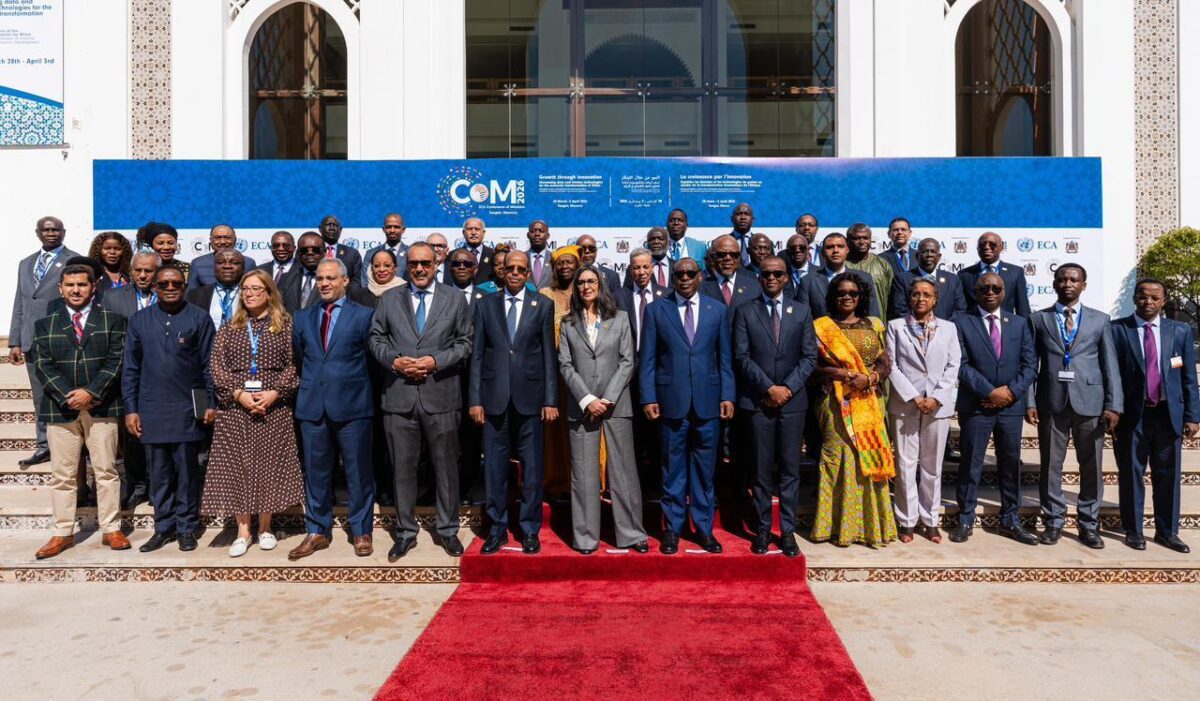
Mr Rahman said Africa’s challenge was “not a lack of resources” but a sovereignty deficit preventing African leaders from negotiating fair trade deals with international entities.

NationWide
U.S. lists Nigeria among countries using child soldiers, risks military aid restrictions
The U.S. has listed Nigeria among countries with cases of child soldiers recruited by Boko Haram and ISIS-West Africa, warning of aid restrictions to Nigeria as a sanction.
NationWide
Only 675 of 2,004 trafficking victims in Nigeria received government support: U.S.
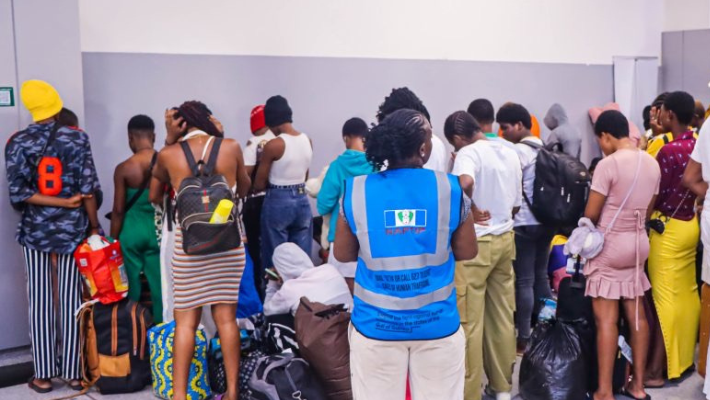
U.S. Department of State says Nigeria assisted only 675 of the 2,004 victims of human trafficking identified during the reporting period, despite allocating N233 million.

Anti-Corruption
EFCC witness accuses Blessing CEO of N69 million property lease fraud
Mr Okeigwe told the court that he paid N69,150,000 to lease a property at No. 1 Tunbosun Osobu Street, Lekki, after the defendant allegedly represented herself as its owner.


