

130 million Nigerians getting poorer; Tinubu’s economic reforms favouring only rich: Atedo Peterside

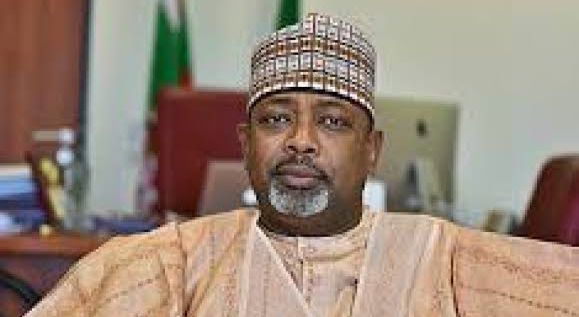
Atedo Peterside, a Nigerian businessman and founder of Stanbic IBTC, has criticised President Bola Tinubu’s administration for reforms that favour the rich while making 130 million Nigerians poorer.
“If you’re upper middle class and you had investments in the stock exchange, you’re probably better off in the last three years. If you’re a low-income, struggling worker without much savings, I can show you that you’re a lot worse off,” Mr Peterside said on ARISE TV on Monday. “So what I am saying is that the reforms are making the rich richer and the poor poorer. My concern is for 130 million Nigerians who are getting poorer.”
The economist, who cited high poverty levels across the country, accused Mr Tinubu’s administration of implementing reforms without thinking of safety nets for poor Nigerians.
He added, “What is missing is that the president carried out all these reforms but never put in place adequate safety nets for the very poor. It’s the safety nets that separate the poor and the rich.”
The presidency could not be immediately reached for comment.
The economist’s statement came days after Mr Tinubu blamed the opposition for the widespread hunger and poverty in the country.
Since the president assumed power in 2023, Nigerians have experienced a significant spike in fuel prices, while the naira has collapsed to over N1,350 to a dollar.
Mr Tinubu’s economic reforms also drove up food prices, transportation costs, and the cost of living, with Nigeria recording the largest increase in acute food insecurity globally in 2024, according to the 2025 Global Report on Food Crises, published by the Global Network Against Food Crises.
The International Monetary Fund also reported that poverty and food insecurity remained high under Mr Tinubu, and the World Bank’s Africa Pulse report of April 2025 decried the highest number of extremely poor people in the country, warning that more Nigerians would be plunged into poverty by 2027.

We have recently deactivated our website's comment provider in favour of other channels of distribution and commentary. We encourage you to join the conversation on our stories via our Facebook, Twitter and other social media pages.

More from Peoples Gazette

States
Independence: NBA urges Nigerians to expect better future
The NBA said that ordinary Nigerians should be deriving benefit from the subsidy removal rather than hardship.
Agriculture
FG tasks ECOWAS on leveraging financing strategies for agroecology
The federal government has urged stakeholders in the agriculture and finance sectors in the West Africa region to leverage financing strategies to enhance agroecology practices

Politics
Katsina youths pledge to deliver over 2 million votes to Atiku
“Katsina State is Atiku’s political base because it is his second home.”

NationWide
Social media influencer Blessing CEO begs Nigerians to forgive her misdeeds following son’s death
Blessing CEO stated, “To those who no longer love me because of my actions, I am sorry.”

Heading 4
AfCRA fixes March 2027 for publication of first African sovereign credit ratings
Mr Falala described borrowing costs as a major burden for African economies.

Sport
First Bank announces ₦34 million prize for 65th Lagos Amateur Open Golf championship
Professional golfer and defending champion, Monday Eze, commended FirstBank for raising the winner’s prize in the professional category to ₦10 million.

World
Voting starts as Democrats, Republicans battle in U.S. midterm elections
Polling stations across Florida were relocated due to flooding.

States
Sightsavers urges media to amplify underserved voices, disability inclusion
Sightsavers Nigeria has called for stronger media collaboration to promote disability inclusion, influence policy, and amplify the voices of underserved communities.

NationWide
Nigerians still facing poor public services, living conditions despite increased states’ revenues: BudgIT
BudgIT said higher budgeted spending does not automatically show that residents have better access to health, education, agriculture or water services.


