

Nigerian men suffering in silence, afraid to speak out about experiencing domestic violence at home: Gender Advocate

A gender advocate, Adetoun Dally, says fear of stigma, societal condemnation and expectations of masculinity prevent many Nigerian men from reporting domestic violence and seeking professional assistance from relevant services.
Ms Dally, speaking in an interview in Abuja on Tuesday, said expectations that men must remain strong and emotionally invulnerable discourage male victims from speaking out.
She said the situation was troubling in a patriarchal society where men were traditionally regarded as formidable figures who should not show weakness, even when subjected to abuse at home.
According to her, some men in abusive relationships suffer silently because reporting their experiences could expose them to ridicule, disbelief and questions about their ability to fulfil traditional expectations of manhood.
Ms Dally said expectations that men must not cry or display vulnerability had created an “alpha male” mentality that discouraged victims from seeking help from trained professionals and support organisations when necessary.
“This created the alpha male persona—men don’t cry and must be strong, and lots is hindering men from speaking out and getting the necessary help,” she said.
She said such expectations were often instilled in boys from childhood, making it difficult for them to acknowledge abuse or communicate their emotional struggles as adults in Nigerian society today.
The advocate said male victims could experience verbal, physical, emotional and psychological abuse, while their inability to speak out further complicated their difficult personal, family, and social circumstances and isolation.
Ms Dally said some men endured abusive relationships for years, with certain victims reportedly postponing separation or divorce until their children were grown and emotionally mature enough to understand their situation eventually.
“I have heard instances of men having to remain silent, waiting for their children to grow up before they take steps towards separation or divorce,” she said, describing their difficult experiences.
She said concerns about children’s welfare, fear of losing access to them and the consequences of breaking up families sometimes influenced decisions to remain in abusive relationships quietly without seeking assistance.
The advocate said those experiences showed domestic violence was not exclusively a problem affecting women, noting that families, law enforcement agencies and support organisations had struggled to acknowledge male victims nationwide.
However, she said growing awareness and changing institutional responses were addressing the misconception, adding that law enforcement agencies increasingly recognised domestic violence as a criminal matter requiring investigations and legal action.
“Our law enforcement agencies are evolving from the norm and now know that domestic violence is not an issue to be resolved at home but must be treated as a criminal case,” Ms Dally said.
She said support organisations were becoming more aware of the need to assist victims irrespective of gender, adding that existing domestic violence laws did not discriminate based on gender.
“The existing laws do not discriminate against any gender. Handling domestic violence against men is not different from handling that of women,” she said, emphasising equal legal treatment under law consistently.
Ms Dally called for more training and retraining of law enforcement personnel and professionals handling domestic violence cases, emphasising the need to strengthen reporting channels and protect victims from humiliation and stigma.
She also called for adequate support systems, public sensitisation and changing societal attitudes, urging families, community leaders, law enforcement agencies and support organisations to create safe spaces for victims without fear.
The advocate said addressing domestic violence against men required public awareness, effective legal responses and professional support, adding that proper case handling and assistance were essential to tackling abuse affecting everyone.
(NAN)

We have recently deactivated our website's comment provider in favour of other channels of distribution and commentary. We encourage you to join the conversation on our stories via our Facebook, Twitter and other social media pages.

More from Peoples Gazette

States
Independence: NBA urges Nigerians to expect better future
The NBA said that ordinary Nigerians should be deriving benefit from the subsidy removal rather than hardship.

Agriculture
FG tasks ECOWAS on leveraging financing strategies for agroecology
The federal government has urged stakeholders in the agriculture and finance sectors in the West Africa region to leverage financing strategies to enhance agroecology practices

Politics
Katsina youths pledge to deliver over 2 million votes to Atiku
“Katsina State is Atiku’s political base because it is his second home.”
Heading 2
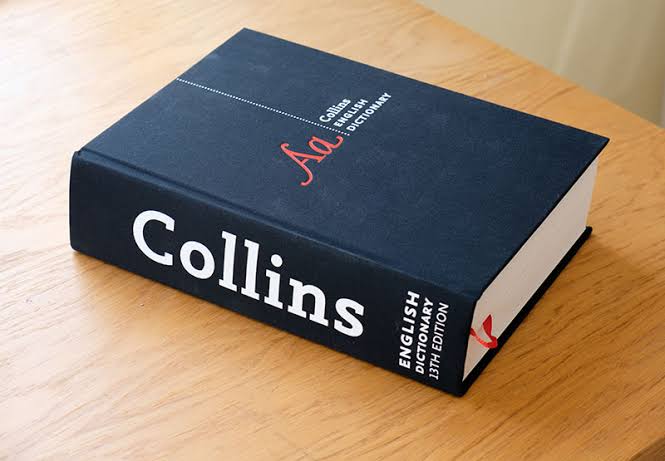
‘Mogging’ emerges Collins Dictionary’s Word of Year 2026
Other words shortlisted for the 2026 award include “carspreading,” “firewave” and “Manchesterism.”

States
847 motorists arrested for number plate violations in Cross River, says FRSC
Mr Mohammed stressed that enforcement would continue beyond the special operation.

States
Osun to establish University of Ilesa Teaching Hospital
The bill was earlier passed in September and forwarded to the governor for his assent but was returned for amendment due to the clause omission.
Politics
Lagos NDC senatorial candidate cautions political parties against violence
Mr Johnson called on political parties and their supporters to educate their members on peaceful political engagement.

NationWide
Social media influencer Blessing CEO begs Nigerians to forgive her misdeeds following son’s death
Blessing CEO stated, “To those who no longer love me because of my actions, I am sorry.”

Heading 4
AfCRA fixes March 2027 for publication of first African sovereign credit ratings
Mr Falala described borrowing costs as a major burden for African economies.


