

CBN retains benchmark interest rate at 23%
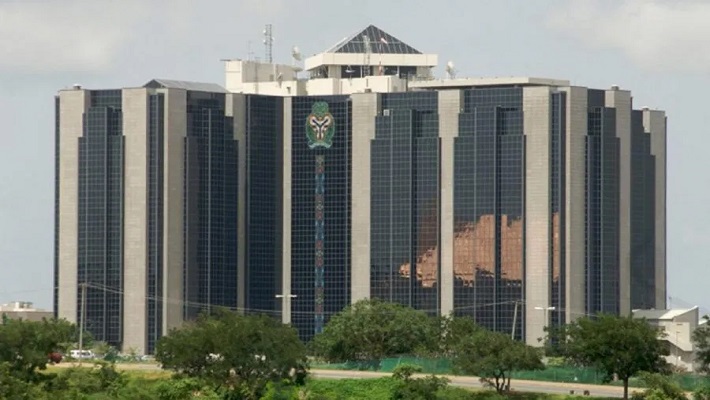
The Monetary Policy Committee (MPC) of the Central Bank of Nigeria (CBN) has retained its benchmark interest rate at 23 per cent amid continued moderation in the country’s inflation rate.
CBN Governor Olayemi Cardoso announced the decision on Tuesday at a press briefing following the committee’s 308th meeting.
The governor said the committee reviewed prevailing global and domestic economic developments, identified key risks to the outlook and evaluated their implications for price stability.
Mr Cardoso, who chaired the meeting, said the committee also retained the standing facilities corridor at +50 to -300 basis points around the MPR.
It also retained the Cash Reserve Requirement (CRR) for commercial banks at 45 per cent, merchant banks at 16 per cent and public sector deposits outside the Treasury Single Account at 75 per cent.
At its previous meeting in September, the committee reduced the Monetary Policy Rate (MPR) by 350 basis points, from 26.5 per cent to 23 per cent, after retaining the rate at its May and July meetings.
The latest decision comes as Nigeria’s headline inflation declined for the fifth consecutive month, reaching its lowest level in six years.
“However, given the prevailing headwinds, which have slowed the pace of moderation in price pressures, members were of the view that maintaining the current policy stance would further anchor inflation expectations and support the disinflation process,” he said.
According to the National Bureau of Statistics (NBS), headline inflation eased to 14.06 per cent in October 2026 from 14.63 per cent in September.
Food inflation declined to 19.13 per cent from 19.59 per cent, while core inflation, which excludes volatile agricultural produce and energy prices, fell to 10.78 per cent from 12.95 per cent.
The decision also comes amid renewed pressure on the naira and concerns that increased government spending ahead of the 2027 general elections could fuel inflationary pressures.
Nigeria’s broad money supply rose to N139.09 trillion in September 2026 from N117.78 trillion in the corresponding period of 2025.
Meanwhile, Nigeria’s economy grew by 4.43 per cent in the second quarter of 2026, compared with 3.89 per cent in the first quarter.

We have recently deactivated our website's comment provider in favour of other channels of distribution and commentary. We encourage you to join the conversation on our stories via our Facebook, Twitter and other social media pages.

More from Peoples Gazette

States
Independence: NBA urges Nigerians to expect better future
The NBA said that ordinary Nigerians should be deriving benefit from the subsidy removal rather than hardship.
Agriculture
FG tasks ECOWAS on leveraging financing strategies for agroecology
The federal government has urged stakeholders in the agriculture and finance sectors in the West Africa region to leverage financing strategies to enhance agroecology practices
Politics
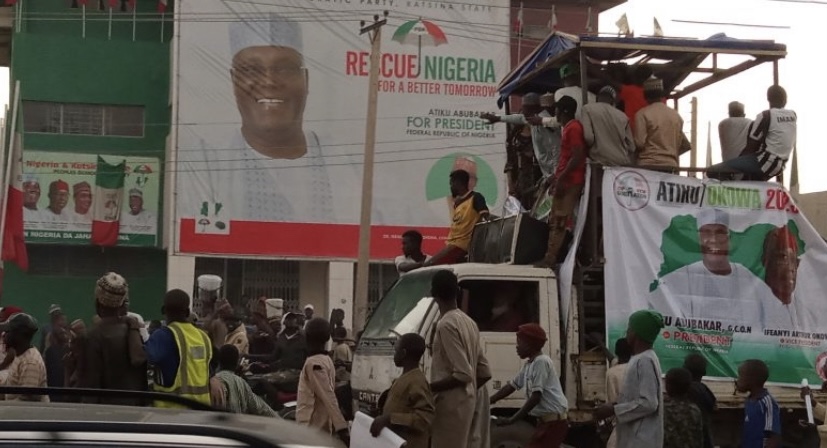
Katsina youths pledge to deliver over 2 million votes to Atiku
“Katsina State is Atiku’s political base because it is his second home.”

Heading 4
FIFA rejected Nigeria hosting World Cup due to poor stadium infrastructure: ACG
Mr Mognard explained that a football-only stadium hosts a match once every two weeks during the season.
Economy
CBN retains benchmark interest rate at 23%
Mr Cardoso said the committee also retained the standing facilities corridor at +50 to -300 basis points around the MPR.

Heading 5
Atiku arrives to mammoth crowd in Kogi chanting ‘Tinubu Must Go’
Mr Abubakar thanked the people of Kogi for their welcome as the rally continued.

States
Court sacks Omo-Agege as NDC senatorial candidate over Electoral Act violations
The judge also barred him from parading himself as the party’s senatorial candidate for the 2027 general election.
Politics
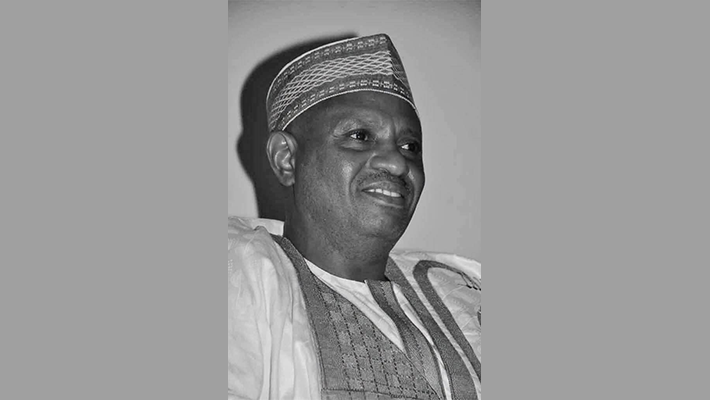
Matawalle mourns ex-Zamfara SSG Kabiru Balarabe
Deputy defence minister Bello Matawalle has mourned Kabiru Balarabe, a former secretary to the state government.
Africa
Ebola responders trapped in DR Congo over heavy fighting: WHO
The WHO attributed DR Congo’s failure to contain the virus to insecurity.


