

Only first class, 2:1 students will be employed as teachers: FG
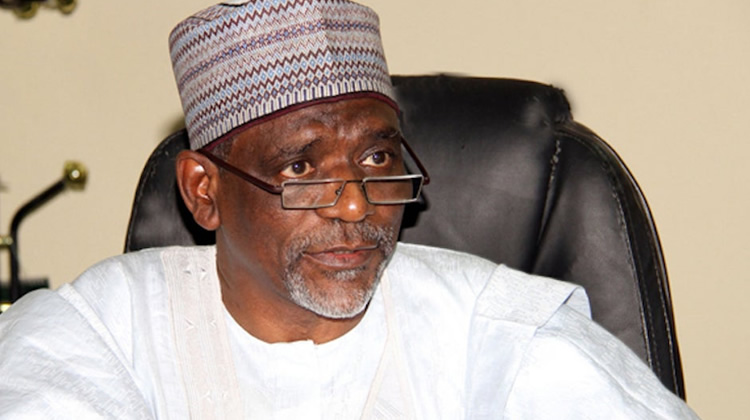
The Buhari administration has fine-tuned plans to recruit only highly qualified Nigerians for teaching jobs next year.
Permanent Secretary of the Ministry of Education, Sonny Echonu, disclosed Saturday that in line with the president’s directive, individuals without first class and second class upper certifications will not be engaged for teaching roles in 2021.
“We must enforce Mr. President’s directive that only qualified teachers will be allowed into our classrooms,” Daily Trust reported Mr. Echonu to have said.
“By 2021, we will not engage teachers if they don’t meet a particular threshold. We are now limiting the entry point of teaching only to the best who are qualified.”
“We will engage individuals with second class upper and first class divisions,” the top official added, while supervising a competency test organised for teachers by regulatory body TRCN.
Peter Njiforti, a professor of economics at the Ahmadu Bello University, Zaria, told Peoples Gazette Sunday that Nigerians with at least second class lower division should be considered for teaching employment.
“Not all first class and second class upper holders may be good teachers”, Mr. Njiforti argued.
“To me, the government should consider from 2.2 and above, and subject them to interview screening”, he said.
On his part, Dr. Alagbonsi Abdullateef, a senior lecturer in the University of Rwanda, told the Gazette that the new policy would be crucial in reforming Nigeria’s education system.
“The present education system where teachers are not even competent on the subjects they teach will continue to produce half-baked students and graduates from the various levels,” the Kwara-born academic said.
“For us to get our education right, we must retain the best trainers that will have the capacity to give the best to the trainees.”
Mr. Abdullateef advised the Buhari government to implement an attractive retention policy that will motivate first class and second class upper holders to keep faith with the teaching profession.
The Gazette reported that the Federal Government on October 5, approved a special salary scale for Nigerian teachers while also increasing the years of service from 35 years to 40 years.

We have recently deactivated our website's comment provider in favour of other channels of distribution and commentary. We encourage you to join the conversation on our stories via our Facebook, Twitter and other social media pages.

More from Peoples Gazette

Agriculture
FG tasks ECOWAS on leveraging financing strategies for agroecology
The federal government has urged stakeholders in the agriculture and finance sectors in the West Africa region to leverage financing strategies to enhance agroecology practices

Politics
Katsina youths pledge to deliver over 2 million votes to Atiku
“Katsina State is Atiku’s political base because it is his second home.”

States
Suspected motorcycle thief arrested in Niger
Mr Abiodun said the suspect confessed during interrogation.
Heading 2
Gov. Oyebanji to resume duties Monday after two-week annual leave
Mr Oyebode said the leave was part Mr Oyebanji’s statutory annual leave entitlement.

Agriculture
FG engages 200 youths to drive innovation, growth in agriculture
Ms Liman urged youths to explore opportunities in agriculture, technology and other sectors.

States
Stakeholders seek improved health budget implementation in Kaduna
Mr Guje described CSOs as representatives of communities.

States
NEMA distributes life jackets, relief materials to Gorau boat accident victims
Gorau village head, Aliyu Magaji, was one of the survivors of the boat accident.
Agriculture
Plant breeders seek increased investment in research to boost food security
Mr Adetimirin said investment in plant breeding was essential to developing improved crop varieties with higher yields.


