

Nigerian Army useless; generals now stealing weapons and selling to terrorists: Economist

The Nigerian Army has been described as a useless organisation filled with corrupt generals and unable to protect the country from mutating violence, The Economist reported in its latest issue.
“Nigeria’s army is mighty on paper,” the London magazine said. “But many of its soldiers are “ghosts” who exist only on the payroll, and much of its equipment is stolen and sold to insurgents.”
The Economist said Nigeria has not been able to address its insecurity because military chiefs have plundered much of the country’s combat resources and the rest had stretched thin with little capacity to forestall the crisis.
“The army is also stretched thin, having been deployed to all of Nigeria’s state,” the paper said in its upcoming October 23 issued that was published on its website today.
The paper also said Nigeria police has become demoralised due to poor training and endemic corruption.
“The police are understaffed, demoralised and poorly trained. Many supplement their low pay by robbing the public they have sworn to protect,” it said.
A spokesman for the Nigerian Army did not immediately return requests seeking comments. Nigerian military chiefs have for years faced allegations of corruption and collusion with violent criminals as a way of keeping themselves enriched.
A large cache of military weapons had ended in the hands of insurgents since 2016. In July 2019, Nigerian soldiers fled with hundreds of millions of Nigeria they were asked to transport to Abuja by an army general.
The money loot was immediately traced to Hakeem Otiki, a major-general who was subsequently dismissed from service after a military trial. Anti-corruption activists said the Nigerian Army took action because the soldiers fled with the loot and the scandal became public.

We have recently deactivated our website's comment provider in favour of other channels of distribution and commentary. We encourage you to join the conversation on our stories via our Facebook, Twitter and other social media pages.

More from Peoples Gazette

States
Independence: NBA urges Nigerians to expect better future
The NBA said that ordinary Nigerians should be deriving benefit from the subsidy removal rather than hardship.

Agriculture
FG tasks ECOWAS on leveraging financing strategies for agroecology
The federal government has urged stakeholders in the agriculture and finance sectors in the West Africa region to leverage financing strategies to enhance agroecology practices

Politics
Katsina youths pledge to deliver over 2 million votes to Atiku
“Katsina State is Atiku’s political base because it is his second home.”
Abuja
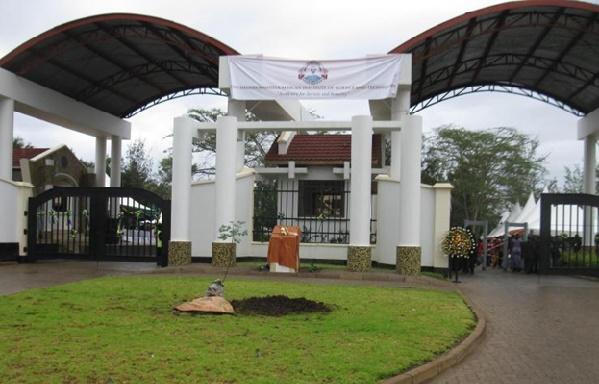
AUST hosts 5MW solar project as experts chart renewable energy roadmap
Azikiwe Onwualu, the vice-chancellor of AUST, says the institution has been selected to host a five-megawatt solar project on campus.
Heading 1
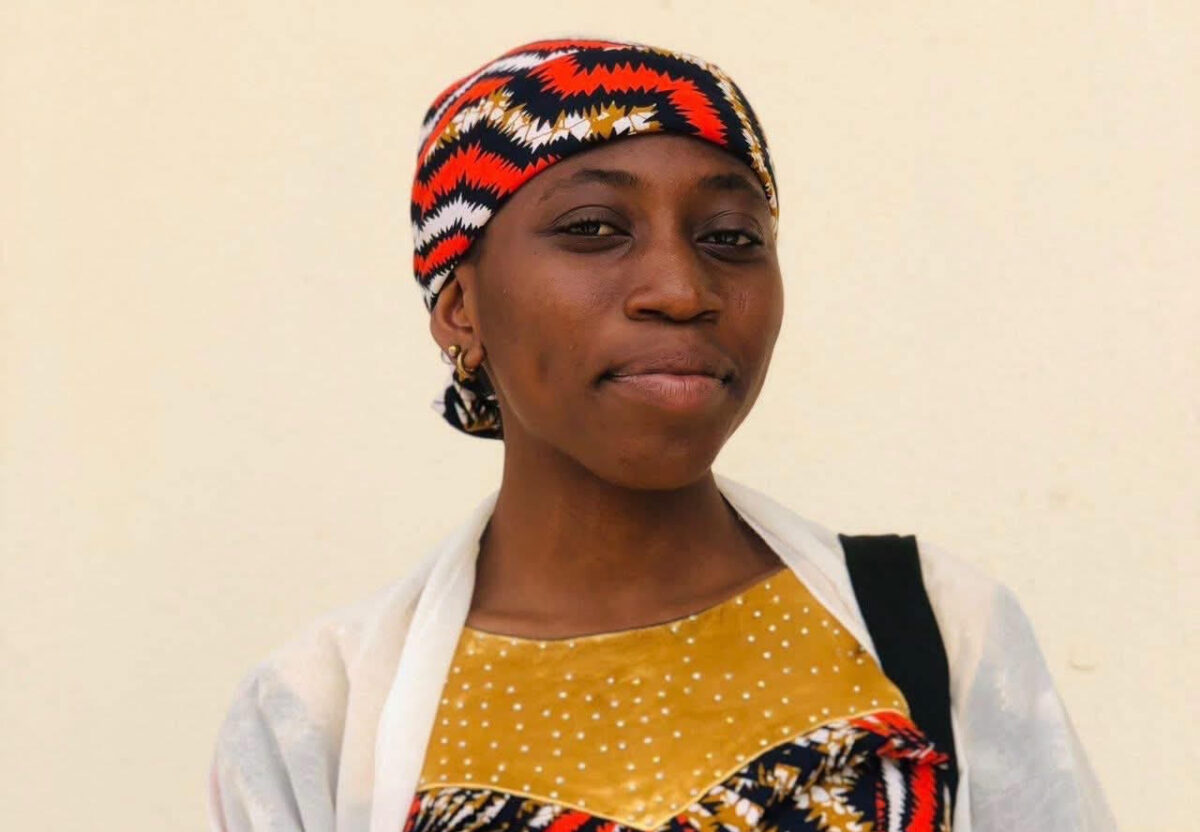
Amnesty condemns four-year prison sentence for Nigerian journalist Farida Isiak
Amnesty International has condemned the arrest and four-year prison sentence imposed on Farida Isiak, a 23-year-old journalist with Nagarta Radio in Kaduna.

Economy
Multinational bank Barclays to fire 5,000 workers to reduce costs, says AI creating efficiency
Barclays has announced plans to cut 5,000 jobs globally, representing about five per cent of its total workforce. One thousand workers already sacked.

Anti-Corruption
EFCC arraigns lovers over alleged N36 million Moniepoint transfer fraud in Benin
The anti-graft agency, in a statement on Wednesday, said the lovers were arraigned on seven counts of cybercrime, conspiracy, and stealing.

States
Anambra: Police reaffirm commitment to religious, traditional institutions
The police command in Anambra reaffirmed its commitment to sustained engagement with religious leaders, traditional institutions, community leaders and other critical partners.
Health
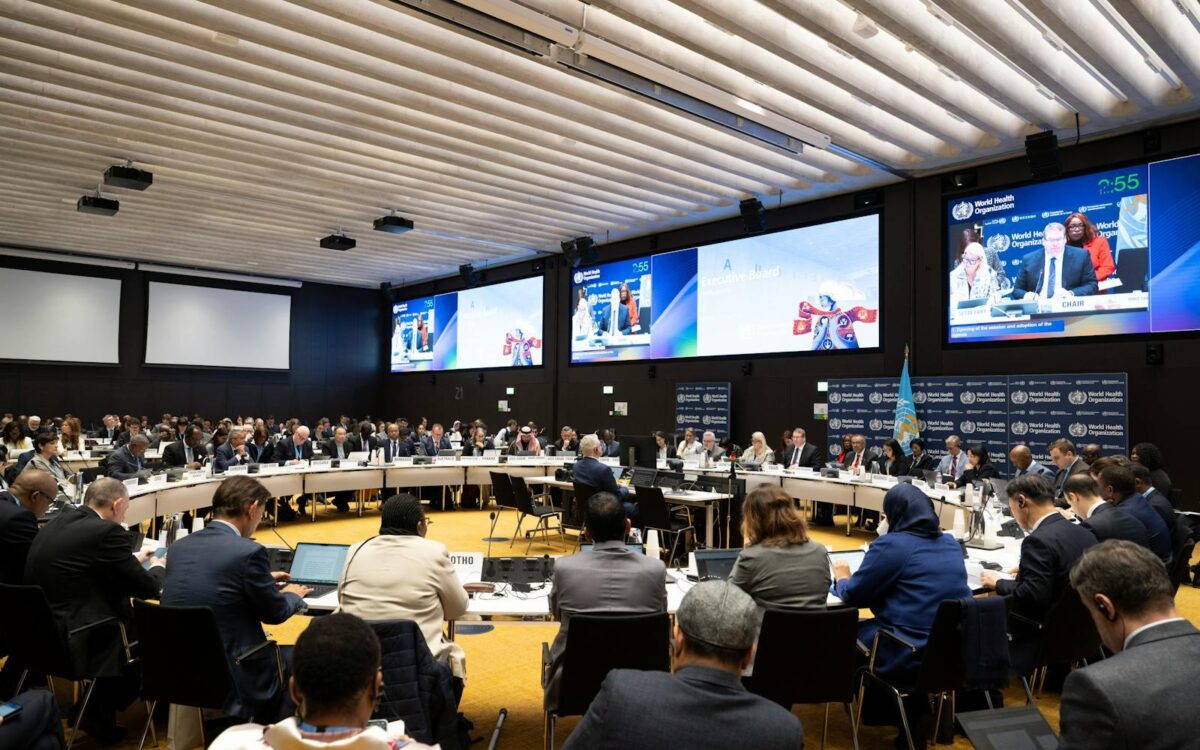
Non-communicable diseases account for three-quarters of deaths worldwide: WHO
Non-communicable diseases account for three-quarters of deaths worldwide but affect different population groups in different ways, a WHO study showed.


