

Non-communicable diseases account for three-quarters of deaths worldwide: WHO
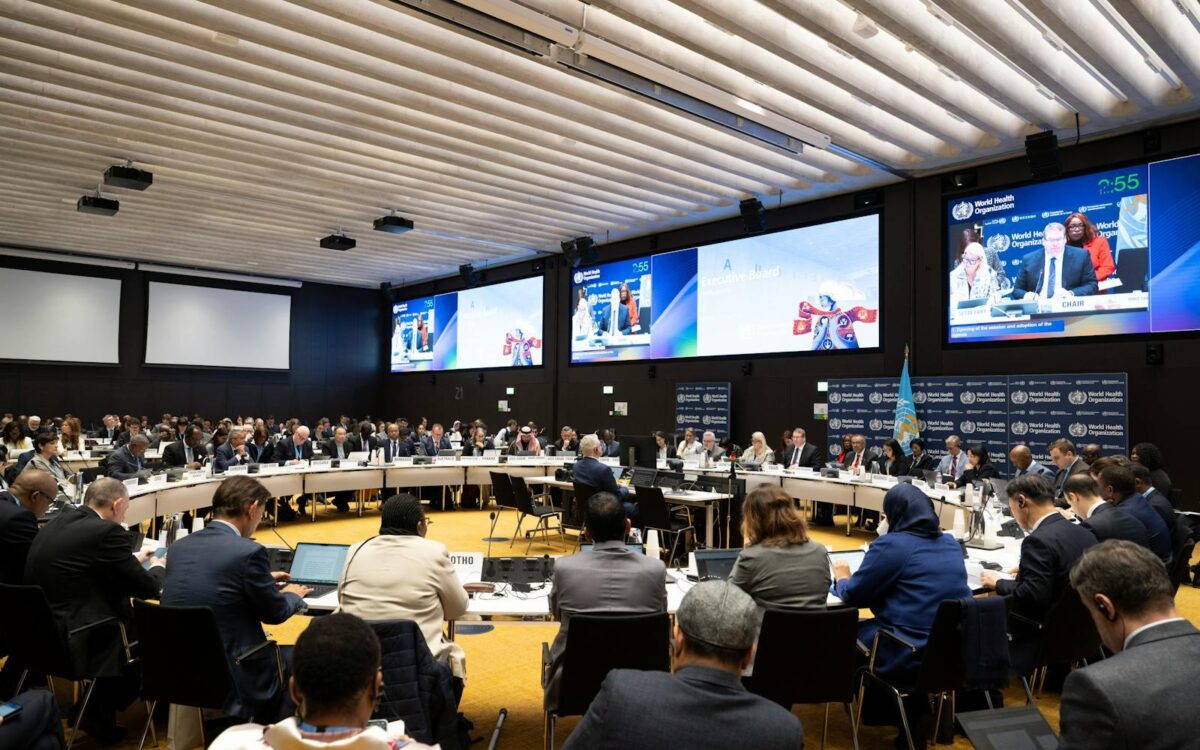
Non-communicable diseases account for three-quarters of deaths worldwide but affect different population groups in different ways, a World Health Organisation study showed on Tuesday.
According to WHO, NCDs affect people everywhere. The report covered four major NCDs—cancer, cardiovascular diseases, chronic respiratory diseases and diabetes—and key risk factors including tobacco and alcohol use, obesity and unhealthy diets, insufficient physical activity and air pollution.
“We know that there are inequalities embedded in all aspects of health, but this is the first effort to systematically measure inequalities in NCDs and their risk factors on a global scale,” Ahmad Hosseinpoor, Health Inequality Monitoring team lead at WHO, said. “The findings show which populations are being left behind, and also where a lack of inequality data hinders our understanding of inequalities.”
Drawing from national data collected over the past decade, the report examines differences in NCD burden, prevention and care by age, gender, economic status, education, place of residence, disability status, employment and migration status.
People’s income, education, gender, age and where they live can influence their exposure to NCD risk factors and access to health services.
These inequalities can occur at every stage from preventing disease and reducing exposure to risk factors to being diagnosed, receiving treatment and managing a condition.
Evidence from low- and middle-income countries shows that less educated populations tend to have higher rates of hypertension and diabetes.
Across countries, poorer and less-educated women are less likely to receive cervical cancer screening, while tobacco use remains higher among less educated men than among more educated men.
In many low- and middle-income countries, rural populations have less access than urban populations to hypertension diagnosis and treatment and cervical cancer screening. Rural households may also face greater exposure to household air pollution, while urban populations often experience greater exposure to outdoor air pollution.
The WHO said differences can be observed by gender and age. It said men are more likely to use tobacco and consume alcohol and are less likely to be diagnosed and treated when they have hypertension.
“Women are less likely to be sufficiently physically active, while obesity is more common among women, particularly in low- and middle-income countries. Younger adults with hypertension are less likely to be diagnosed and treated than older adults with the condition, while insufficient physical activity tends to increase with age and obesity is more common in people aged 40 to 70 years.
The report also considers how unemployment, disability, and migration status may be associated with exposure to NCD risk factors and people’s ability to access health care. Unemployment is associated with higher levels of insufficient physical activity, while people living with disabilities can face greater barriers to prevention, screening and treatment.
(NAN)

We have recently deactivated our website's comment provider in favour of other channels of distribution and commentary. We encourage you to join the conversation on our stories via our Facebook, Twitter and other social media pages.

More from Peoples Gazette

States
Independence: NBA urges Nigerians to expect better future
The NBA said that ordinary Nigerians should be deriving benefit from the subsidy removal rather than hardship.

Agriculture
FG tasks ECOWAS on leveraging financing strategies for agroecology
The federal government has urged stakeholders in the agriculture and finance sectors in the West Africa region to leverage financing strategies to enhance agroecology practices

Politics
Katsina youths pledge to deliver over 2 million votes to Atiku
“Katsina State is Atiku’s political base because it is his second home.”

Showbiz
Meta deactivates Russell Brand’s Instagram, Facebook accounts after rape sentencing
Meta has deactivated British former comedian and actor Russell Brand’s Instagram and Facebook accounts following his conviction and sentencing for four sexual offences.

Abuja
NSITF: EFCC continues N2 billion fraud trial against ex-labour minister Chris Ngige
The Economic and Financial Crimes Commission, EFCC, says it has continued prosecuting former labour minister Chris Ngige over alleged abuse of office.

Economy
Stock market loses N293 billion as profit-taking persists
The Nigerian stock market closed on a negative note on Wednesday as investors’ wealth declined by N293 billion.

Health
Domestic TB funding rose 14% to $5.6 billion, says WHO
WHO says domestic funding for TB rose 14 per cent to $5.6 billion between 2024 and 2025, helping sustain essential services despite declining international financing.
Africa
Lumumba urges Africans to defeat xenophobia, strengthen Pan-Africanism
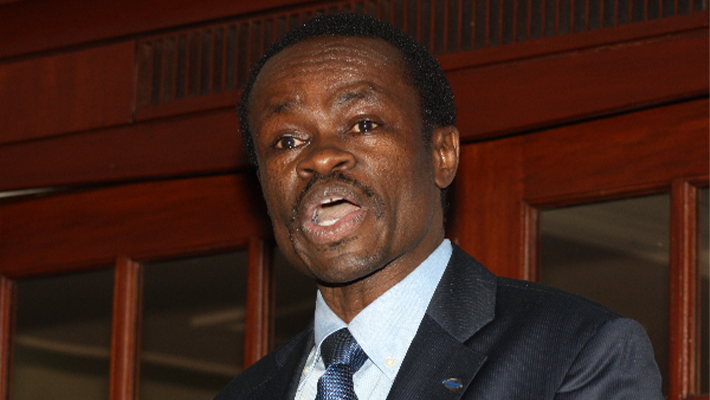
Kenyan lawyer, scholar, and Pan-Africanist Patrick Lumumba has urged Africans to confront xenophobia with love, unity, and stronger economic cooperation.
States
NAFDAC busts seals warehouses selling banned, hazardous chemicals
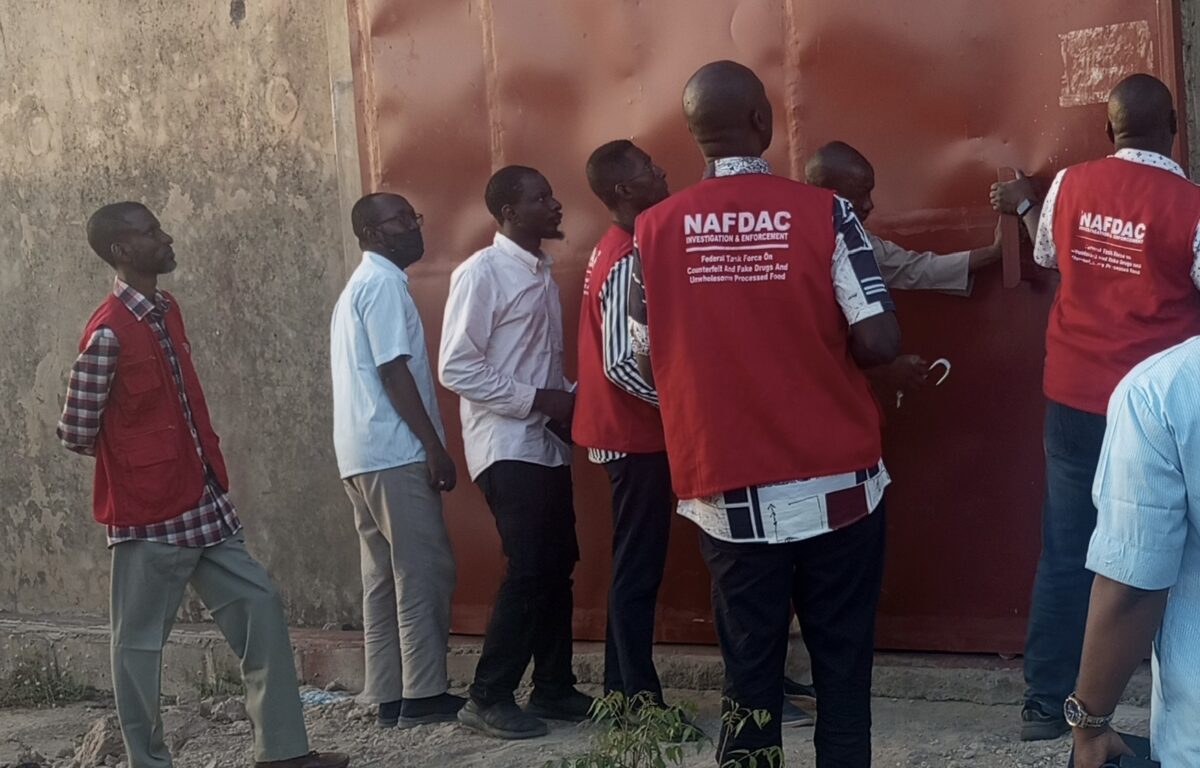
NAFDAC sealed off four warehouses and seized banned chemicals worth N560 million in Kano metropolis.


