

Kim Jong Un lost weight over North Korea’s poor economy: South Korea
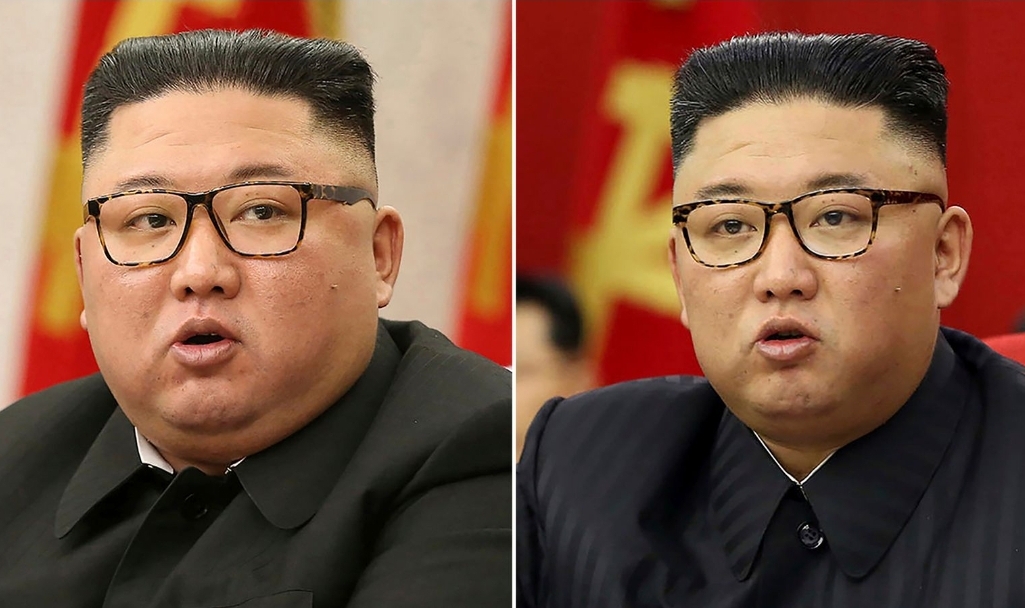
South Korea’s spy agency has revealed that North Korean leader Kim Jong Un shed 20kg weight to boost his public image in the wake of the country’s worsening economic situation.
The South Korean intelligence service at a closed-door parliamentary briefing with South Korean lawmakers on Thursday, said it drew its conclusion after using artificial intelligence techniques, and analysis of super-resolution video of Kim and other methods to investigate Mr Kim’s condition.
His weight loss first drew a public stare when he made a public appearance after several weeks to convene a ruling party meeting in June. State media claimed that citizens broke down in tears after seeing a thinner Mr Kim.
In September, Mr Kim took centre stage at a military dog parade, his first public appearance in some time revealing a remarkable weight loss and tanned look.
South Korea-based online newspaper Daily NK reported in April 2020 that Mr Kim had to undergo heart surgery followed by his conspicuous absence from some key events.
Once overweight, the 37-year-old leader has been the subject of regular health speculation given his family’s history of heart disease. The leader’s father Kim Jong-il and his grandfather both died of heart issues.
However, despite Mr Kim’s pale appearance, North Korea observers debunked claims that the country’s leader had health challenges; rather they tied his weight loss to the result of his efforts to improve his physique.
They noted that he has continued his regular public activities and no unusual developments have been seen in North Korean videos.
South Korean lawmaker Kim Byung-kee said that The NIS dismissed claims that the recent public appearances of the North Korean leader was an impostor.
He said the NIS told the lawmakers that Kim’s weight has fallen from about 140kg to 120kg.
The agency said Mr Kim has been engaged in public activities for 70 days so far this year, a 45 per cent increase from the same period last year.
The North Korean leader is currently struggling to overcome what appears to be the toughest period of his rule due to economic hardships worsened by the coronavirus pandemic.

We have recently deactivated our website's comment provider in favour of other channels of distribution and commentary. We encourage you to join the conversation on our stories via our Facebook, Twitter and other social media pages.

More from Peoples Gazette

Agriculture
FG tasks ECOWAS on leveraging financing strategies for agroecology
The federal government has urged stakeholders in the agriculture and finance sectors in the West Africa region to leverage financing strategies to enhance agroecology practices

Politics
Katsina youths pledge to deliver over 2 million votes to Atiku
“Katsina State is Atiku’s political base because it is his second home.”

Health
AI-designed drug shows promise to slow human ageing process
“If your biological age is lower, you are likely to die later,” said Alex Zhavoronkov, the CEO of Insilico Medicine.

Education
UNIZIK lecturers declare indefinite strike over non-payment of August salary
The Academic Staff Union of Universities, Nnamdi Azikiwe University, has declared an indefinite strike over the non-payment of the full August 2026 salary to its members.

Opinion
How African campaigns can win on global award juries
Every year, African agencies and brands produce campaigns that dominate conversations at home, influence culture and sometimes deliver impressive commercial results
Health
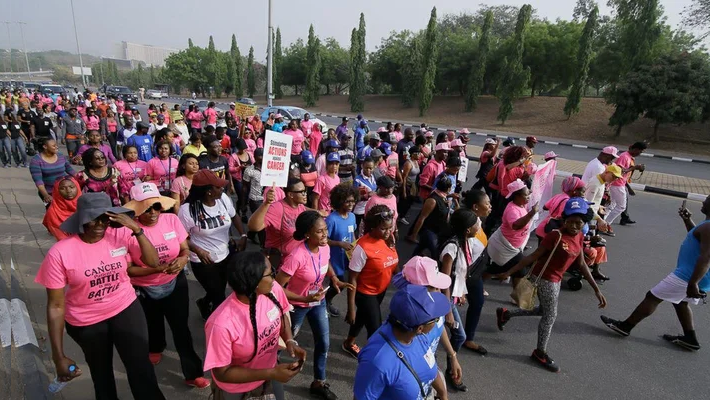
Foundation rallies 10 cities for childhood cancer awareness walk
The Okapi Children Cancer Foundation says it will mobilise participants across 10 cities in Nigeria and the UK for its 10th Annual Childhood Cancer Awareness Walk.

Showbiz
First Bank backs Calabar entertainment conference, festival
First Bank has renewed its partnership with the Calabar Entertainment Conference and Festival as the event’s official banking partner for the second consecutive year.

States
Multibillion-naira property salvaged from blaze in Kano: Firefighters
The Federal Fire Service says it salvaged a property worth N5.34 billion from three blazes recorded in Kano in August.


