

Nigerian communities exposed to oil exploration hazards deserve better

Nigerian President Muhammadu Buhari recently signed the Petroleum Industry Act to revitalise the country’s oil industry. Though many people cheered this decision given the bill’s long trip through the national assembly, which lasted more than ten years, it remains the subject of public controversy.
Though the Act establishes a legal, governance, regulatory, and fiscal framework for Nigeria’s petroleum industry, one of the most contentious problems was the distribution of funds to communities hosting petroleum assets and operations. According to the Act, these communities are now entitled to three per cent of the oil firms’ operational costs.
The Host Communities Trust Fund is required to handle this fund under Section 2 of the Act. Still, it should be noted that the percentage will never be sufficient to develop the region that bears the brunt of the oil industry’s operations!
At least, the Act highlights a significant consideration for the development of oil-producing communities in the Niger-Delta despite the debate over the specific percentage that should be allocated, but these oil-producing communities deserve better.
In Nigeria’s oil-rich Niger-Delta region, many communities are underdeveloped. Thousands of litres of crude oil pass through these communities every day, but the inhabitants have yet to reap the benefits of crude oil’s contributions to Nigeria’s national coffers.
Oil spills have contaminated their land, rivers, and streams, leading to some losing their jobs. Marine life is at an all-time low, and flora there are rapidly disappearing. Those communities are strewn with abandoned projects. According to a forensic audit report of the Niger Delta Development Commission, more than 13,000 projects have been abandoned across the region.
The Act will soon be sent back to the national assembly based on a request by President Buhari, who is seeking an approval to increase the number of the non-executive board members of the Upstream Regulatory Commission and the Nigerian Midstream and Downstream Petroleum Regulatory Authority from two to six to represent the six geographical zones. The three per cent equity share for host communities is not listed in this request even as stakeholders in the region continue to clamour for a change.
The region’s development depends mainly on the management of funds and other resources, regardless of whether the government allocates three per cent, five per cent, or 10 per cent to these communities. The place of dialogue in this issue cannot be overemphasised. People must be made to feel valued and that their opinions matter, in addition to giving a percentage of their income to the development of these communities. They should be able to participate in policies and discussions that influence their lives and the development of their communities. This should not be left to a select group of regional stakeholders.
The international oil companies extracting and exploring oil in these communities must not be distant; the oil companies should take the development needs of the host communities as a priority. The oil companies should ensure that they live with the people, employ and engage the locals and be generally interested in whatever affects the people. Their corporate social responsibility programmes must be tailored to the needs of the people!
The Senate is currently considering encouraging multinational and Nigerian oil and gas companies to transfer their operational bases to host communities. If this bill is passed and implemented, it is possible that some of the issues that plague these communities will be resolved.
Oil-rich communities deserve better. They deserve good roads, quality healthcare, and other basic and social amenities, and as a new dawn for the Nigerian oil industry beckons, citizen participation and inclusive governance in oil-producing communities are necessary to ensure that the Niger-Delta region is well-positioned for development in opening up massive investment projects in the sector, and attracting much-needed investments!
Temitope Bademosi is a writing fellow at the African Liberty.

We have recently deactivated our website's comment provider in favour of other channels of distribution and commentary. We encourage you to join the conversation on our stories via our Facebook, Twitter and other social media pages.

More from Peoples Gazette

States
Independence: NBA urges Nigerians to expect better future
The NBA said that ordinary Nigerians should be deriving benefit from the subsidy removal rather than hardship.

Agriculture
FG tasks ECOWAS on leveraging financing strategies for agroecology
The federal government has urged stakeholders in the agriculture and finance sectors in the West Africa region to leverage financing strategies to enhance agroecology practices

Politics
Katsina youths pledge to deliver over 2 million votes to Atiku
“Katsina State is Atiku’s political base because it is his second home.”

Heading 5
Six years after #EndSARS, insecurity, poverty, graft, others on highest level, says Mr Macaroni
Mr Macaroni stated, “The saddest part is that we are even more divided as a people at a time when we should be most united.”
Heading 2
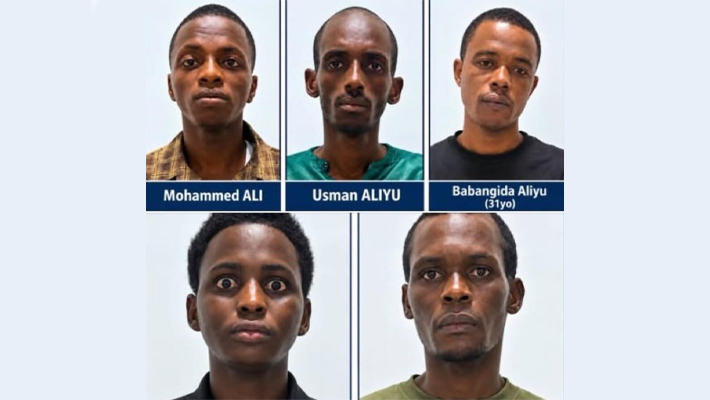
SSS arraigns suspected abductors of NYSC members
The corps members were kidnapped along the Owerri-Onitsha road in Imo State.
Lagos
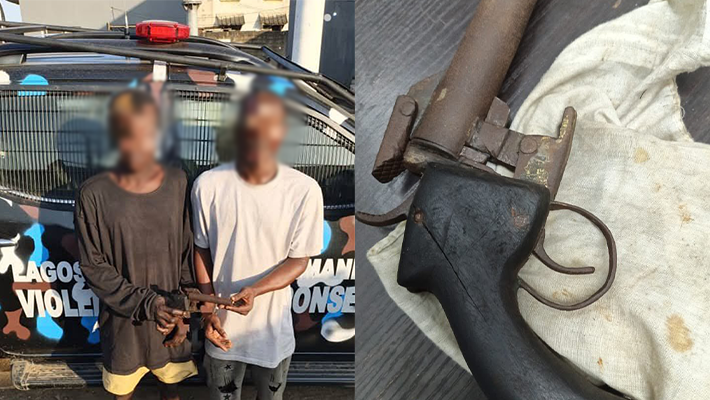
Police apprehend two suspected Lagos cultists, recover locally-made pistol
The CP eiterated the command’s commitment to combating cultism and other criminal activities through intelligence-led operations.
Agriculture
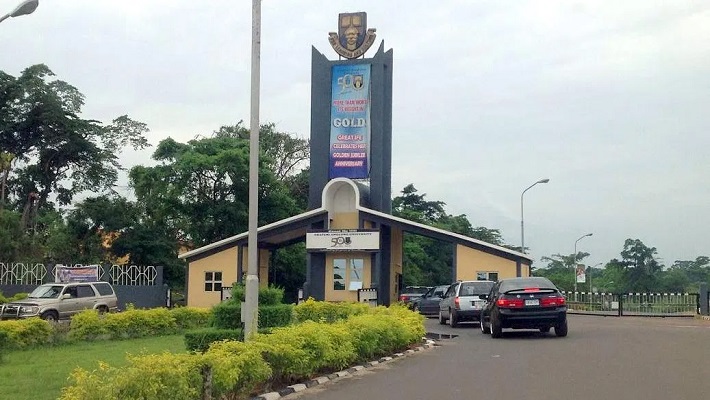
OAU, IAR&T seek urgent action on sustainable soil management
Mr Oluwatosin identified phosphorus as the bottleneck no one talked about in food security.

Heading 4
#EndSARS: Atiku demands justice for murdered protesters
The politician accused the APC of failing Nigerians.
NationWide
Ovarian disorder can raise diabetes, heart disease risks in women, says gynaecologist
Mr Jay advised women to adopt healthy lifestyle habits.


