

Ovarian disorder can raise diabetes, heart disease risks in women, says gynaecologist
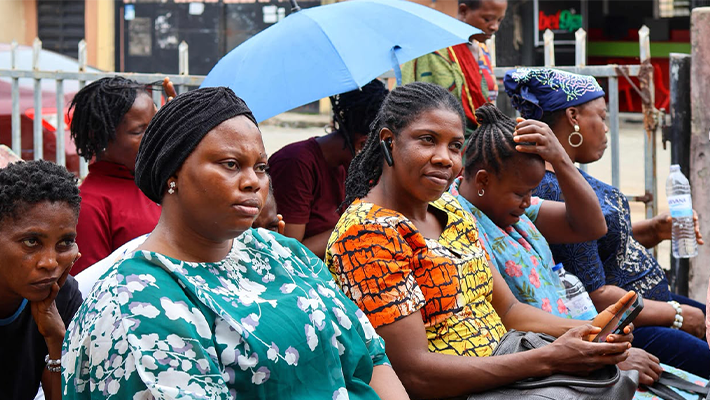
A gynaecologist at M and M Hospital, Dr Emem Jay, has warned that polyendocrine metabolic ovarian syndrome (PMOS) can increase women’s risks of diabetes and cardiovascular diseases, regardless of body weight.
Mr Jay gave the warning during an interview in Abuja on Tuesday.
He urged women to seek early medical assessment for symptoms associated with the hormonal and metabolic disorder to prevent complications.
Mr Jay explained that PMOS was a common hormonal and metabolic condition affecting ovarian function and one of the leading causes of irregular ovulation and infertility among women of reproductive age.
According to him, the condition affects approximately eight to 13 per cent of women of reproductive age, although prevalence varies depending on the population studied and diagnostic criteria applied.
He said many women with PMOS experienced insulin resistance, a condition in which the body’s cells respond poorly to insulin, causing the pancreas to produce more of the hormone.
Mr Jay explained that elevated insulin levels could stimulate the ovaries to produce excess androgens, disrupt normal ovulation and increase the risk of prediabetes and type 2 diabetes over time.
He emphasised that insulin resistance could occur even in slim women or those with normal body weight, adding that being slim did not rule out PMOS or associated metabolic complications.
The gynaecologist identified irregular menstrual periods, excessive facial or body hair, persistent acne, thinning hair and difficulty conceiving among the most common signs of the condition in women.
He added that some women might also experience unexplained weight gain or develop darkened, thickened skin around the neck and other skin folds, which could indicate insulin resistance.
Mr Jay said that PMOS could affect fertility by interfering with regular ovulation but emphasised that the condition did not mean a woman could not become pregnant in spite of experiencing symptoms.
“Many women with PMOS conceive naturally or with appropriate treatment,” he said, encouraging affected women to seek medical advice rather than assume the condition would prevent pregnancy.
He explained that diagnosis required proper medical assessment because no single test could independently confirm the condition, making clinical evaluation essential for identifying symptoms and excluding other possible causes.
According to him, clinicians generally assess three features in adults: irregular ovulation, clinical or laboratory evidence of excess androgens, and polycystic ovarian morphology identified through ultrasound examination.
He said two of the three features were generally required for diagnosis after other possible causes had been excluded through appropriate clinical evaluation and relevant investigations by healthcare professionals.
Mr Jay advised women to adopt healthy lifestyle habits, including regular physical activity, balanced diets, adequate sleep and routine monitoring of blood pressure, blood glucose and cholesterol levels to reduce complications.
He urged women experiencing persistently irregular menstrual periods, excessive facial hair, persistent acne or unexplained fertility difficulties to seek medical attention rather than assume the symptoms were normal.
The gynaecologist cautioned against relying on social media advice, supplements or herbal mixtures as substitutes for proper diagnosis and treatment, urging women to consult qualified healthcare professionals for guidance.
He said early detection, appropriate treatment, lifestyle modifications and regular monitoring could help women manage the condition and reduce associated health risks, including diabetes and cardiovascular diseases.
Mr Jay added that prolonged untreated menstrual irregularities could increase the risk of endometrial complications, including endometrial hyperplasia and, in some cases, cancer, underscoring the importance of timely medical assessment.
(NAN)

We have recently deactivated our website's comment provider in favour of other channels of distribution and commentary. We encourage you to join the conversation on our stories via our Facebook, Twitter and other social media pages.

More from Peoples Gazette

States
Independence: NBA urges Nigerians to expect better future
The NBA said that ordinary Nigerians should be deriving benefit from the subsidy removal rather than hardship.

Agriculture
FG tasks ECOWAS on leveraging financing strategies for agroecology
The federal government has urged stakeholders in the agriculture and finance sectors in the West Africa region to leverage financing strategies to enhance agroecology practices

Politics
Katsina youths pledge to deliver over 2 million votes to Atiku
“Katsina State is Atiku’s political base because it is his second home.”
Opinion
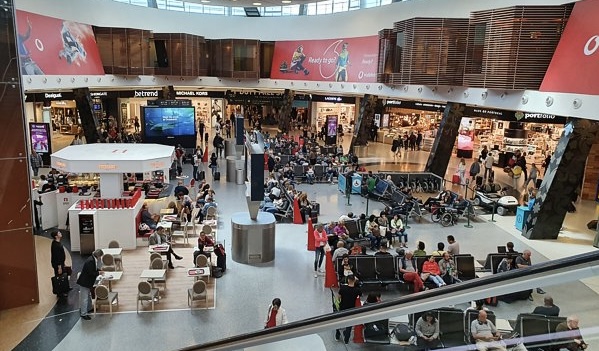
Rudolf Okonkwo: Diary of an African travelling across Europe
The Europeans who once crossed oceans to divide Africa among themselves have now found ways to bring much of their own continent together.

Showbiz
Meta deactivates Russell Brand’s Instagram, Facebook accounts after rape sentencing
Meta has deactivated British former comedian and actor Russell Brand’s Instagram and Facebook accounts following his conviction and sentencing for four sexual offences.

Abuja
NSITF: EFCC continues N2 billion fraud trial against ex-labour minister Chris Ngige
The Economic and Financial Crimes Commission, EFCC, says it has continued prosecuting former labour minister Chris Ngige over alleged abuse of office.

Economy
Stock market loses N293 billion as profit-taking persists
The Nigerian stock market closed on a negative note on Wednesday as investors’ wealth declined by N293 billion.

Health
Domestic TB funding rose 14% to $5.6 billion, says WHO
WHO says domestic funding for TB rose 14 per cent to $5.6 billion between 2024 and 2025, helping sustain essential services despite declining international financing.
Africa
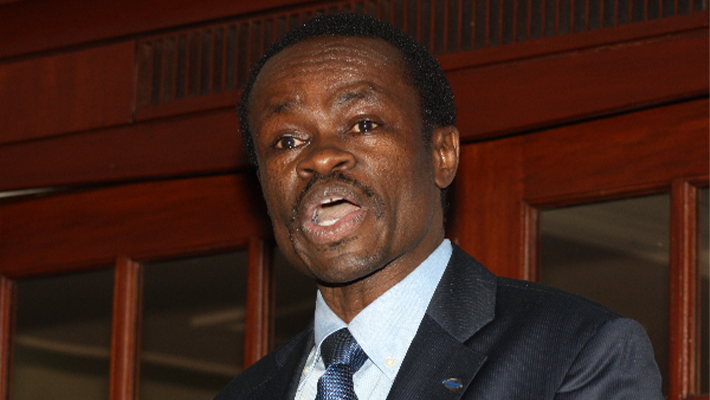
Lumumba urges Africans to defeat xenophobia, strengthen Pan-Africanism
Kenyan lawyer, scholar, and Pan-Africanist Patrick Lumumba has urged Africans to confront xenophobia with love, unity, and stronger economic cooperation.


