

Corruption tendency ‘very high’ in Nigerian military, police: Integrity Report

In a government defence integrity index, Nigeria is listed among two-thirds of all the countries facing high-to-critical corruption risks in their defence and security sectors.
This is contained in the 2020 Government Defence Integrity Index (GDI) released by Transparency International on Tuesday.
“Nigeria faces considerable corruption risk across its defence institutions, with extremely limited controls in operations and procurement. Oversight mechanisms are in place, but often lack coordination, expertise, resources, and adequate information to fully perform their role,” the report said. “However, Nigeria is improving on budget and financial transparency, particularly with regard to defence expenditures.”
Nigeria falls under the “Very High” risk category. Under the five subcategories considered in the index, Nigeria scored 27 points under the financial category, 10 points out of operational, 35 personnel points, 28 political points and eight procurement points.
The report evaluated and scored 86 countries across five risk areas, including financial, operational, personnel, political and procurement.
These findings came as global military spending increased to about $2 trillion annually, fuelling the scale and opportunity for corruption.
The anti-corruption body’s report remarked that countries with poor scores have weak or non-existent safeguards against defence sector corruption, making such systems likely to experience conflict, instability and human rights abuses. This is because arms deals are not open to scrutiny by the legislature or civil society organisations.
This lack of transparency, in turn, enables bribery, public money being diverted or increased violence as criminals purchase weapons.
Last October, The Economist described the Nigerian Army as a useless organisation filled with corrupt generals and unable to protect the country from mutating violence.
“Nigeria’s army is mighty on paper,” the London magazine said. “But many of its soldiers are “ghosts” who exist only on the payroll, and much of its equipment is stolen and sold to insurgents.”
The Economist said Nigeria has not been able to address its insecurity because military chiefs have plundered much of the country’s combat resources, and the rest had stretched thin with little capacity to forestall the crisis.
“The army is also stretched thin, having been deployed to all of Nigeria’s state,” the paper said.
The paper also said Nigeria police has become demoralised due to poor training and endemic corruption.
“The police are understaffed, demoralised and poorly trained. Many supplement their low pay by robbing the public they have sworn to protect,” it said.
A spokesman for the Nigerian Army did not immediately return requests seeking comments. Nigerian military chiefs have for years faced allegations of corruption and collusion with violent criminals as a way of keeping themselves enriched.
A large cache of military weapons had ended in the hands of insurgents since 2016. In July 2019, Nigerian soldiers fled with hundreds of millions of Nigeria they were asked to transport to Abuja by an army general.
The money loot was immediately traced to Hakeem Otiki, a major-general who was subsequently dismissed from service after a military trial. Anti-corruption activists said the Nigerian Army took action because the soldiers fled with the loot, and the scandal became public.

We have recently deactivated our website's comment provider in favour of other channels of distribution and commentary. We encourage you to join the conversation on our stories via our Facebook, Twitter and other social media pages.

More from Peoples Gazette

States
Independence: NBA urges Nigerians to expect better future
The NBA said that ordinary Nigerians should be deriving benefit from the subsidy removal rather than hardship.

Agriculture
FG tasks ECOWAS on leveraging financing strategies for agroecology
The federal government has urged stakeholders in the agriculture and finance sectors in the West Africa region to leverage financing strategies to enhance agroecology practices

Politics
Katsina youths pledge to deliver over 2 million votes to Atiku
“Katsina State is Atiku’s political base because it is his second home.”
Uncategorized
TCN restores Kainji-Birnin Kebbi 330kV transmission line
The company said power went off in the affected areas on September 7.
States
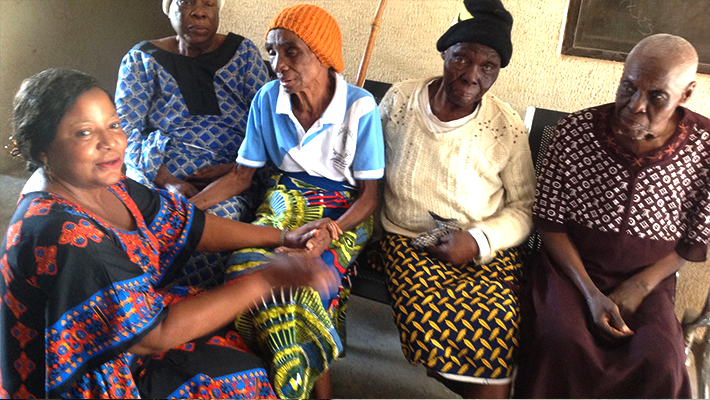
Group seeks better healthcare, social support for elderly Nigerians
Mr Oluwadamilare said growing old in Nigeria was becoming increasingly difficult due to economic hardship.
States
INEC urges Sokoto voters to maintain confidence in electoral process
INEC reminded registered voters that collection of Permanent Voter Cards (PVCs) would begin on October 9.
States
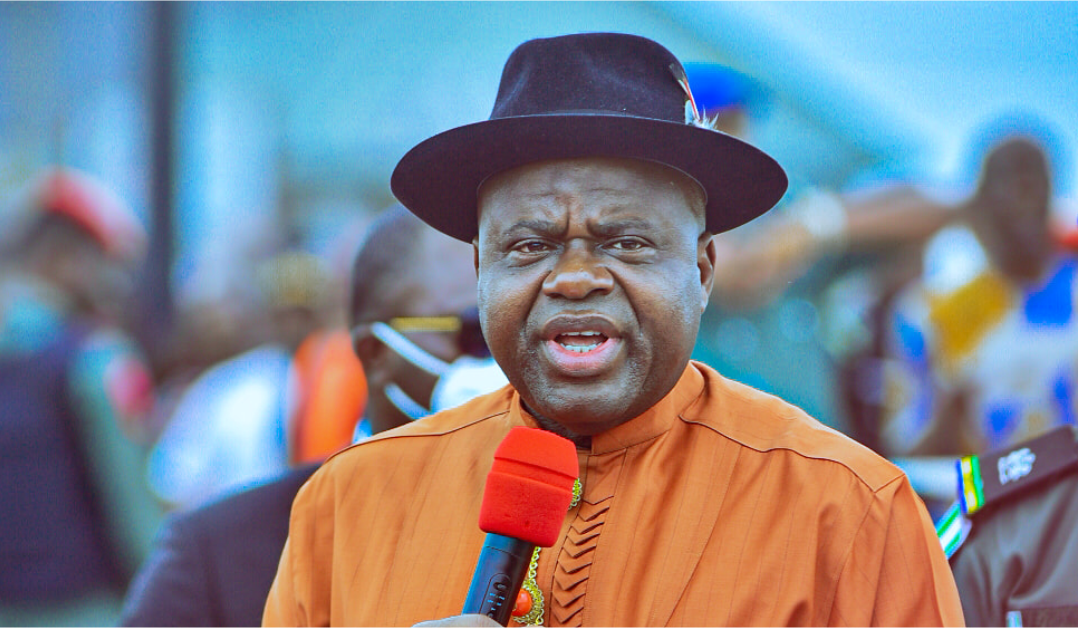
Bayelsa governor urges Nigerians to renew commitment to unity, development
The governor congratulated the people of Bayelsa at home and abroad.
NationWide
Dangote Foundation gives Nigerian students free shares to build new generation of investors
The initiative forms part of ADF’s broader commitment to empowering young Nigerians.

States
Police, security agencies launch operation to rescue abducted corps members in Imo
The incident occurred on Thursday at about 6:30 p.m. along the Owerri-Onitsha Road, near Umunoha.


