

My journalism journey and the place I stopped moving

I hardly knew that returning to my hometown six years after I left would be a depressing experience for me. The last time I was a full resident of Nnobi, my hometown, was as a 15-year-old high school graduate leaving town for the university. Now done with my university education and National Youth Service program, I was returning home a free man, full of dreams and a desire to rest with my family and friends after all those years with strangers in lands far away from home.
I stepped down at Nnobi, feeling like I’d been on a shuttle that had returned to J.F.K Space Center after six years in orbit. Apart from the church where I was baptized, everything else had changed. New buildings stared at me as if they could shout, “Who the hell is this?” The roads appeared to be wider and longer, callous, and uninviting. No one knew I was coming home, so I was not surprised that no one was there to pick me up. I had to carry my luggage and trek the one-kilometre distance from the bus stop to my home.
I kept moving. Two steps down the road, I decided that my first task would be to chronicle the stories of my family before they changed too. I started recalling the stories I had heard over the years. I especially remembered those stories my Uncle Alex had told me. He was the first person to explain why my grandfather had declared that he would not be blind when he reincarnated next. Like others, Alex never failed to remind me that I was my grandfather. Everyone believes the tale, and my grandmother called me her husband. I couldn’t wait to talk to Alex. He was the last custodian of our history, home, and heritage. This time, I had bought blank cassettes with which I would record our talk.
I kept moving. The people I saw all looked sad. No one I met offered to help me out with my luggage. Soon, I heard some Christian songs coming from distant loudspeakers, and I knew someone had died. Even my family photographer drove past me without stopping. He only pressed the horn to acknowledge me.
I kept moving. I saw more sad faces. No one was excited to see me. Even those whom I would have expected to drop whatever they had and rush to embrace me only managed to watch me as I passed by. I reached the junction where the road branched out into my family compound and found that people were still moving further down towards Alor. I knew then that whatever had happened was not in my immediate family. I made the sign of the cross and felt a little relieved.
I kept moving. I reached my family compound and opened the gate. No one came out, and no one shouted as they used to do. I walked in quietly, almost wondering if I was in the right compound. Even the animals, the goats, the sheep, and the poultry made no noise. I shouted, “Who is here?”
No one responded. My dad’s big uncompleted house did not even echo my voice. I dropped my luggage at the front door and looked around in confusion. I stroked my forehead, confirming that I wasn’t dreaming, and turned and joined those moving further down the road.
I kept moving. I passed various houses I knew, including my uncles’ houses. The stream of people led me on. I kept following them until I entered Uncle Alex’s compound. Every member of my family was there—my mom, my dad, my brothers, and my sister. They all wore funeral clothes. I walked straight into Alex’s sitting room. On a decorated bed, I saw an enlarged photograph of Alex lying in a pool of his blood and his head smashed into two pieces. Brain tissues lay scattered on the floor beside broken pieces of his skull. I turned back and stepped out.
I kept moving. I surveyed Alex’s compound with tear-clouded eyes and walked towards the corner where I saw freshly dug red soil. Each step I took brought me nearer to his grave and the grave of my dreams, my freedom, and my rest. At his gravestone, I stopped moving.
In front of his wife and three little kids, armed robbers smashed his head into two with an axe. Because my townspeople had already buried him before I got home, I only saw pictures of the incident taken by the police. But old men who rushed to the scene on that night told me it was the most gruesome sight they ever saw.
One month after Uncle Alex’s funeral, I went to Lagos and became a reporter. His story was my first published story in Classique magazine. One of my first assignments was to visit Onitsha Amalgamated Traders Association (OMATA) headquarters in Onitsha, interview their President, and look at their approach to armed robbery in Onitsha, amongst other things. When Classique magazine published my piece, it was in the form of a question, “Is OMATA a terrorist organisation?”
I could not, in all honesty, answer the question. I only heard stories of suspected armed robbers drowned in River Niger, but no police spokesperson would confirm or deny such reports. People were only willing to say that extreme situations required extreme measures. I was alone as I asked what about human rights? What about due process? What about being innocent until proven guilty?
Then I asked myself how did my society descend into this? How did life’s essence, the measure of success, get defined in the narrowest materialistic degree? Then I remembered the law enforcement handicaps, the victims’ desire for justice, and the populace yearning for security at all costs. And I wondered.
Sometimes, I think about democracy, the rule of law, and the conflict they create with the values and traditions of indigenous African societies. Sometimes, I think of the imperfect execution of this democracy, this rule of law and the dilemma they create. Sometimes, I search for how to make African democracy indigenous. Sometimes, I remember T. S. Eliot. I remember that a shadow always falls “between the ideas and the reality. Between the motion and the act.”
In places like these, where reality defies logic, desire swallows reason, act tickles emotion, my knees melt, and I stop moving.
Luckily for me, soon after I stopped moving, I discovered that there was nothing else to do but start moving once again. So, we move!
A version of this piece was first published on May 8, 2000.
Rudolf Ogoo Okonkwo teaches Post-Colonial African History at the School of Visual Arts in New York City. He is also the host of Dr. Damages Show. His books include “This American Life Sef”, “Children of a Retired God,” among others.

We have recently deactivated our website's comment provider in favour of other channels of distribution and commentary. We encourage you to join the conversation on our stories via our Facebook, Twitter and other social media pages.

More from Peoples Gazette

States
Independence: NBA urges Nigerians to expect better future
The NBA said that ordinary Nigerians should be deriving benefit from the subsidy removal rather than hardship.

Agriculture
FG tasks ECOWAS on leveraging financing strategies for agroecology
The federal government has urged stakeholders in the agriculture and finance sectors in the West Africa region to leverage financing strategies to enhance agroecology practices

Politics
Katsina youths pledge to deliver over 2 million votes to Atiku
“Katsina State is Atiku’s political base because it is his second home.”
NationWide
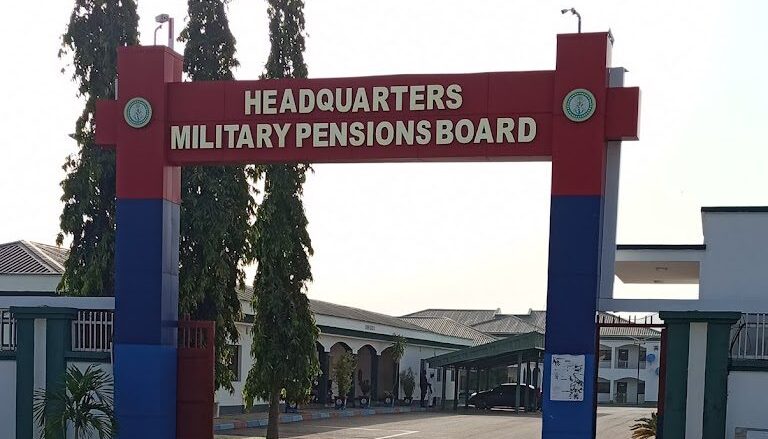
Board begins payment of new pension rates, arrears to military pensioners
Mr Mohammed reaffirmed the board’s commitment to timely pension payments and continuous improvement in pension administration.

NationWide
Procurement of new satellites 95% complete: NASRDA
Mr Adepoju said the satellites were not nanosatellites and added that funding had been approved for the programme.
Agriculture
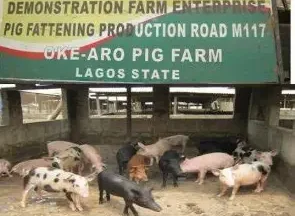
L-PRES unveils African swine fever control at Oke Aro pig farm
Mr Abubakar said the intervention would also include training for pig farmers on biosecurity measures and good farm practices.
World
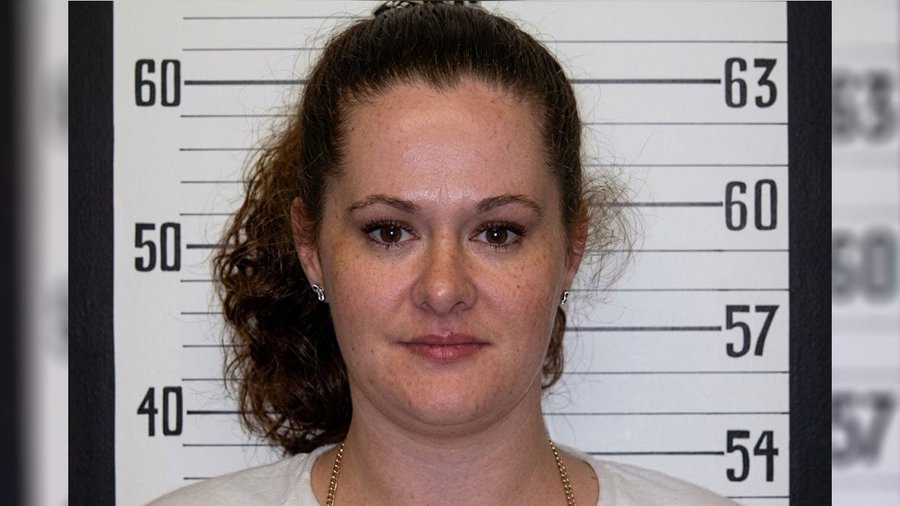
Christa Pike in critical condition after botched execution, lawyers say
Ms Pike was convicted for the murder of Colleen Slemmer in the 1990s and remained on death row for over 30 years.
World
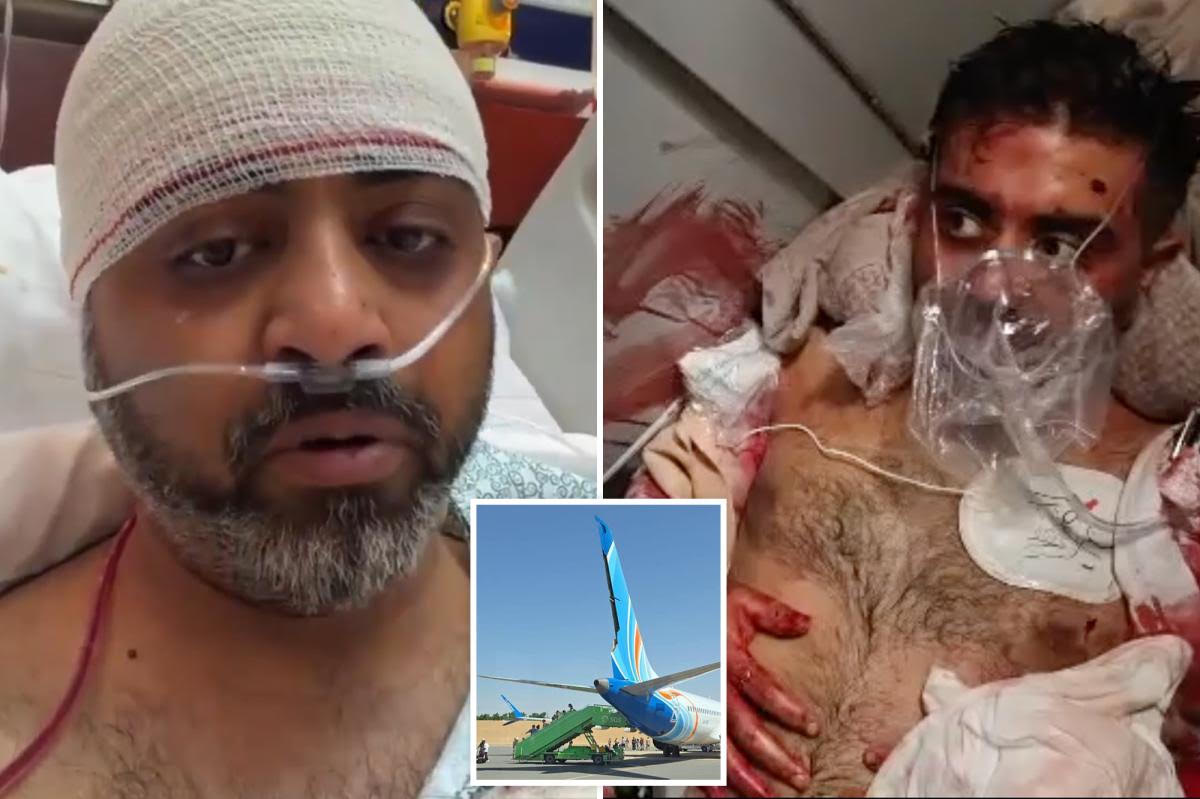
Injured captain Smit Machchar narrates how he thwarted attacker’s plot to crash Flydubai plane
Both Indian and Israeli leaders have lauded Mr Machchar for saving passengers aboard the Flydubai flight FZ1073.

Politics
NDC criticises police for cancelling Obi-Kwankwaso two-million-man march in Akwa Ibom
Mr Smith said the party had spent over N20 million to mobilise supporters across the 31 local government areas.


