

WHO releases first-ever country estimates on pregnancy, abortion
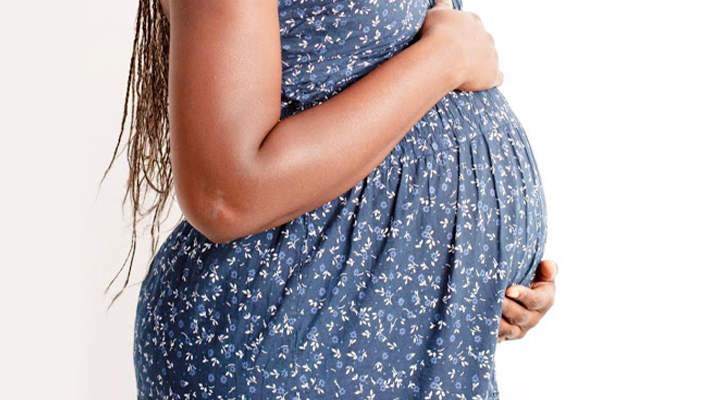
The World Health Organisation (WHO) says data analysis on unintended pregnancy and abortion from 150 countries revealed major disparities in accessing sexual and reproductive healthcare.
With the Guttmacher Institute, partner organisation, the WHO said Thursday the results would allow health authorities to understand better family planning needs in their countries, including contraception and abortion care.
According to the data – which represent the first such exercise at a country level – unintended pregnancy and abortion rates vary widely, even within the same region.
The greatest variations are in Latin America, where unintended pregnancy rates ranged from 41 to 107 per 1,000 women, and in sub-Saharan Africa, where the range was 49 to 145 women per 1,000.
Even in regions with low unintended pregnancy rates, it is still hugely important to invest in giving women and girls the information they need to choose whether they want to have children, said the Guttmacher Institute’s Jonathan Bearak, whose study appears in the journal BMJ Global Health.
“Sexual and reproductive health and rights are an essential part of universal health coverage and are required to end discrimination against women and girls,” WHO said.
These disparities are not shaped purely by income level.
In Europe, for example, most countries with higher unintended pregnancy rates than the regional average are classified as high-income, while the two countries with the lowest estimates are in the middle-income category.
This finding reflects how barriers to accessing and using effective sexual and reproductive healthcare exist in all settings, not just those where resources are scarce.
“The proportion of unintended pregnancies ending in abortion – as great as 68 per cent, even among countries that completely prohibited abortion – illustrates the strength of the desire of millions of women and adolescents to avoid unplanned childbearing,” Mr Bearak said.
While the estimates go a long way in increasing the quality of evidence available, there remains a pressing need for more and better data.
These country-level estimates highlight the importance of equitable investment in comprehensive sexual and reproductive healthcare and will further inform countries working to implement WHO’s new guidelines for quality abortion services.
“For good health, people in countries around the world need access to a comprehensive package of sexuality education, accurate family planning information and services, as well as quality abortion care,” said Bela Ganatra, who leads WHO’s Prevention of Unsafe Abortion unit.
“This research aims to support countries as they work to strengthen the life-saving services they provide for sexual and reproductive health and improve health outcomes – especially for women and girls.”
(NAN)

We have recently deactivated our website's comment provider in favour of other channels of distribution and commentary. We encourage you to join the conversation on our stories via our Facebook, Twitter and other social media pages.

More from Peoples Gazette

States
Independence: NBA urges Nigerians to expect better future
The NBA said that ordinary Nigerians should be deriving benefit from the subsidy removal rather than hardship.

Agriculture
FG tasks ECOWAS on leveraging financing strategies for agroecology
The federal government has urged stakeholders in the agriculture and finance sectors in the West Africa region to leverage financing strategies to enhance agroecology practices

Politics
Katsina youths pledge to deliver over 2 million votes to Atiku
“Katsina State is Atiku’s political base because it is his second home.”

NationWide
BUK hosts international conference on insecurity, green economyPublishing
Mr Tahir-Hamid noted that the conference would also promote green growth, sustainable investments, climate finance and responsible resource management, among others.

Education
NABTEB announces release of certificates for candidates up to 2024
Mr Mohammed said the certificates were ready for collection by successful candidates.
Lagos
2027: Hamzat pledges safer, cleaner Lagos
The manifesto comprises seven pillars, 31 chapters and 100 pledges.
Africa
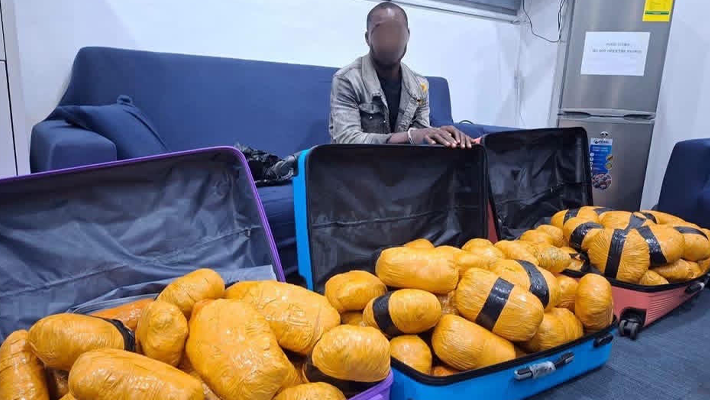
Ghanaian police arrest 40-year-old man with 91 parcels of suspected hemp
The suspect was arrested on Thursday.

Heading 2
Plateau: Alake calls for establishment of army battalion, stronger enforcement to curb illegal mining
The minister described enforcement as the most effective approach to tackling illegal mining.
NationWide
Obasanjo cautions against uncontrolled AI, urges local solutions
Mr Obasanjo cited concerns about AI-generated content and its potential to manipulate and distort identities.


