

Protesters force Sri Lankan president to remove state of emergency
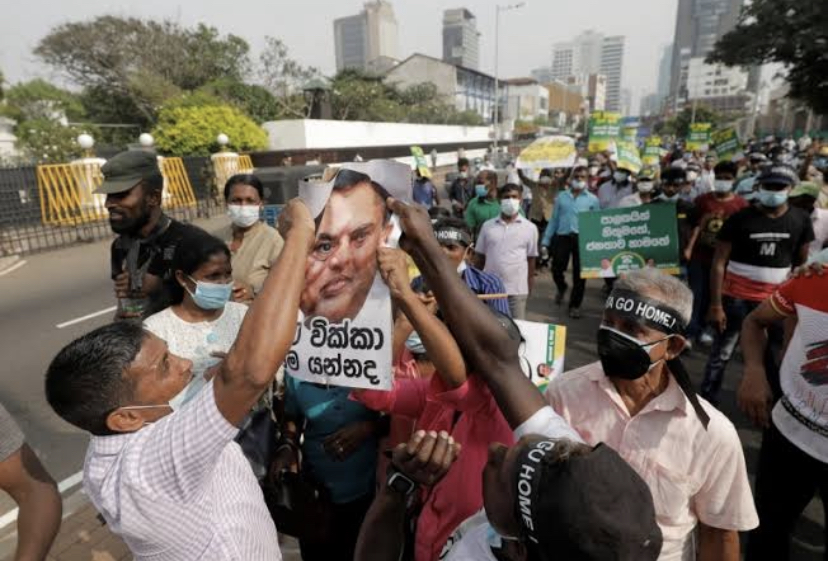
Sri Lankan President Gotabaya Rajapaksa has revoked the state of emergency in the country amid protests from opposition politicians, civil rights activists and the public, officials said Wednesday.
The state of emergency came into force on April 1.
It gave sweeping powers to the armed forces to carry out search operations and arrests soon after the president’s residence was surrounded by protesters demanding his resignation.
Opposition lawmakers and some ruling party members refused to endorse the president’s state of emergency.
Parliamentary approval would be needed within a month if it were to continue.
On Wednesday, lawmakers opened a two-day debate on the current situation as protests continued outside the parliament, placed under heavy security.
Protests against the rising cost of living, fuel and gas shortages, and prolonged power cuts have begun since mid-March. A curfew declared last weekend aimed to prevent protests was largely unsuccessful.
Over the past few months, the country has faced an unprecedented economic crisis due to a lack of foreign exchange to pay for fuel, gas, and food shipments.
The government blamed the global economic situation and the COVID-19 pandemic for the current situation, but the opposition claimed mismanagement as the cause of the crisis.
(dpa/NAN)

We have recently deactivated our website's comment provider in favour of other channels of distribution and commentary. We encourage you to join the conversation on our stories via our Facebook, Twitter and other social media pages.

More from Peoples Gazette

Agriculture
FG tasks ECOWAS on leveraging financing strategies for agroecology
The federal government has urged stakeholders in the agriculture and finance sectors in the West Africa region to leverage financing strategies to enhance agroecology practices

Politics
Katsina youths pledge to deliver over 2 million votes to Atiku
“Katsina State is Atiku’s political base because it is his second home.”
World
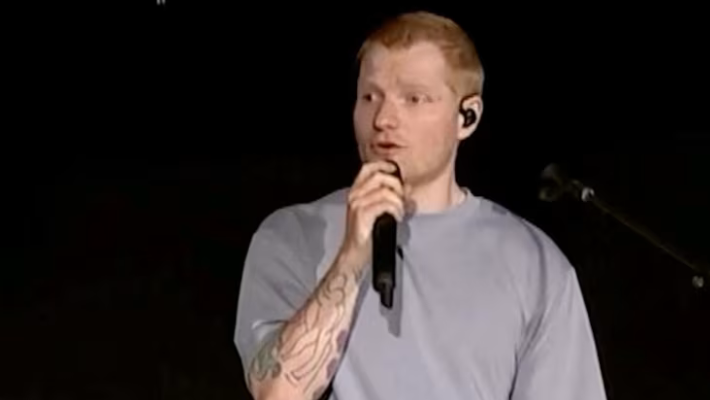
British singer Ed Sheeran cries on stage over tour fallout
Mr Sheeran described the situation in the region as a “systemic injustice” in the West Bank.

Sport
NPFL: Pillars thrash Doma United 4-1 in Kano
Speaking after the match, Pillars coach, Daniel Ogunmodede, commended his players for their performance.
Sport
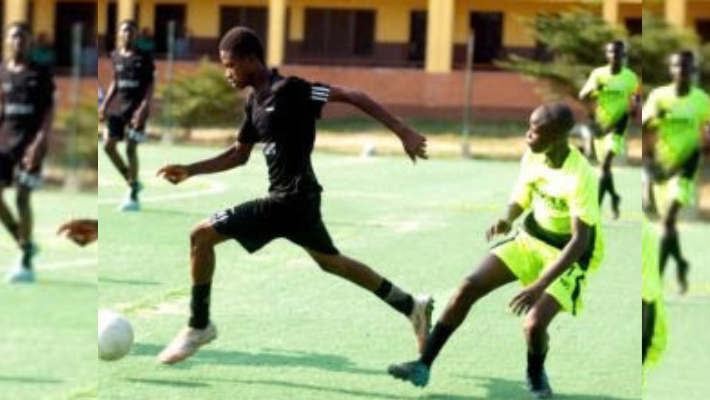
Fortune FA remain unbeaten as Idowu U-16 League records 19 goals
The victory lifted Heritage out of the relegation zone and boosted their hopes of turning around their campaign.

Agriculture
Kwara targets 1,000 cattle for artificial insemination Pub
The Director of TGB Farms, Ishola Peace, commended the government for extending the programme to the farmers.

Education
NLC opposes concession of King’s College, unity colleges
Mr Ajaero said the NLC endorsed protests against concessioning King’s College and other unity colleges.
States
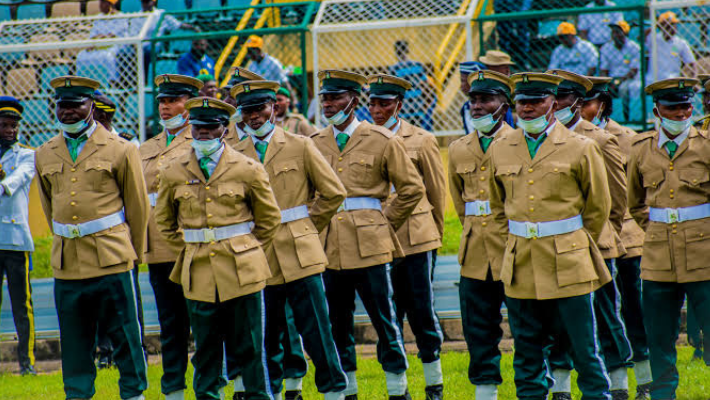
So-Safe corps nabs interstate tricycle thief in Ogun
The state commander, Soji Ganzallo, commended the operatives of the corps for their persistence, professionalism and tactical efficiency.


