

Midwives shortage may increase to one million by 2030: WHO

The World Health Organisation (WHO) says shortage of midwives will trigger an increase of one million by 2030 with serious implications for the attainment of Sustainable Development Goals.
Matshidiso Moeti, WHO regional director for Africa, said this in a message to mark the International Day of the Midwife 2022 celebrated every May 5.
The theme is ‘100 years of progress’. She said the shortage would make a serious implication for the SDGs target of reducing the global maternal mortality ratio to less than 70 per 100,000 deaths before 2030.
According to her, if current trends persist, only 300,000 midwifery jobs are likely to be created in low-income countries.
She also mentioned that the day provided the opportunity to appreciate the efforts of the midwives for their services to mothers and newborns.
According to her, the year 2022 marks 100 years of the establishment of the International Confederation of Midwives (ICM).
Ms Moeti said the establishment currently had 143 midwives associations representing 124 countries worldwide, including the Confederation of African Midwives Associations (CONAMA), which was inaugurated in 2013.
She added that the midwives support women through pregnancy and childbirth, providing antenatal, intrapartum, post-natal care, family planning services while breast and cervical cancer screenings cannot be overlooked.
Ms Moeti said according to the 2021 State of the World’s Midwifery report by the WHO, the ICM and the United Nations Population Fund (UNFPA), the global shortage of midwives stood at 900,000.
“This is particularly acute in Africa, with estimates that 75 per cent of essential needs for maternal and reproductive health care are met by midwives,” she stated. It is concerning that the comparative figure for the WHO African Region is only 41 per cent.”
Ms Moeti explained that midwives were central to the prevention of maternal and newborn deaths and stillbirths and that with adequate investment in midwifery, 4.3 million lives could be saved annually by 2035 which has particular relevance for the WHO African Region.
She said if not addressed, it would record about 196,000 maternal deaths each year along with the deaths of one million babies younger than one month.
Ms Moeti stressed that midwives had been strengthening primary health care for decades, acting as a critical link between women and the health system, and making pregnancy and childbirth safer and more secure.
She said the midwives “act as a critical link between women and the health system, and making pregnancy and childbirth safer and more secure.”
According to her, the African region’s tragic record of maternal and infant deaths demands urgent interventions to expand the coverage of emergency obstetric and newborn service.
“WHO in the African region, was working closely with member states to improve the quality of maternal and reproductive care,” explained Ms Moeti. “The organisation has continued to support the development and implementation of national strategies to accelerate the reduction of preventable maternal and newborn illness, death, and to improve every mother’s experience of care by 2030.”
She called on governments and partners to substantially increase investment in the education, recruitment, deployment, retention and protection of midwives as an essential aspect of countries’ responsibilities.
“African countries are to be capacitated to increase coverage and quality of maternal services, while still responding effectively to health emergencies. WHO advocates for the adoption of policies to combat sexual harassment and promote a safe and respectful work environment for midwives and other health workers,” she noted.
(NAN)

We have recently deactivated our website's comment provider in favour of other channels of distribution and commentary. We encourage you to join the conversation on our stories via our Facebook, Twitter and other social media pages.

More from Peoples Gazette

Agriculture
FG tasks ECOWAS on leveraging financing strategies for agroecology
The federal government has urged stakeholders in the agriculture and finance sectors in the West Africa region to leverage financing strategies to enhance agroecology practices

Politics
Katsina youths pledge to deliver over 2 million votes to Atiku
“Katsina State is Atiku’s political base because it is his second home.”
Hot news Home top
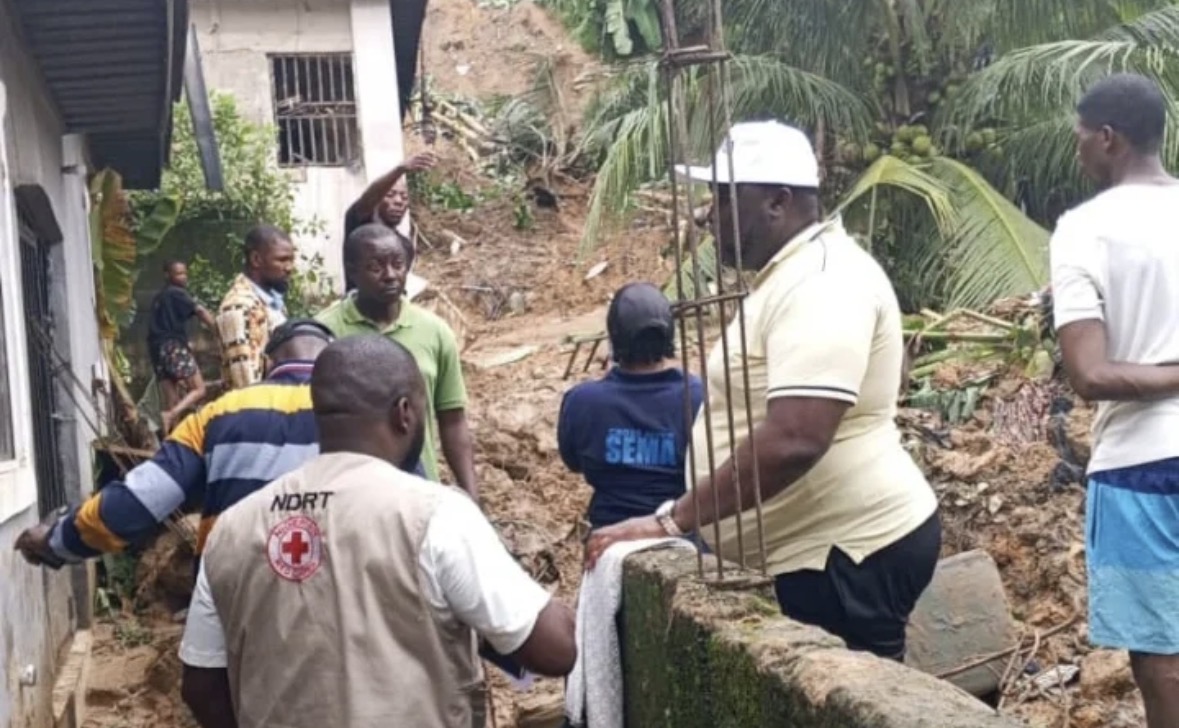
Four children, one other die in Cross River landslide
CR-SEMA confirmed the casualties during a rapid assessment of the affected community on Saturday.

States
Gov Bago inaugurates school projects in Niger
Mr Bago described the intervention as critical, saying it complemented his administration’s commitment to expanding access to quality education.
States
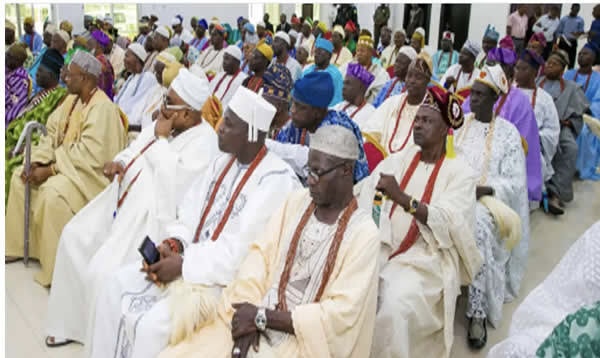
Ekiti govt hails traditional rulers over improved security
Ms Afuye assured traditional rulers that Governor Biodun Oyebanji’s administration would continue to treat them with respect.

NationWide
World Population Day: UNFPA urges investments in young people’s choices, future
Ms Keita said fragile labour markets, widening inequalities, and prolonged conflicts had left many young people uncertain about achieving their aspirations.

Anti-Corruption
ICPC to arraign Enugu PDP governorship candidate Uche Nnaji over forged credentials
Mr Nnaji was arrested at the Nnamdi Azikiwe International Airport in Abuja on July 1.
Health
College of physicians demands sustainable funding, tech-driven training for health system
The college also directed consistent referral and feedback loops between facilities.


