

About 470 million people in Americas have neurological disorders: WHO Report
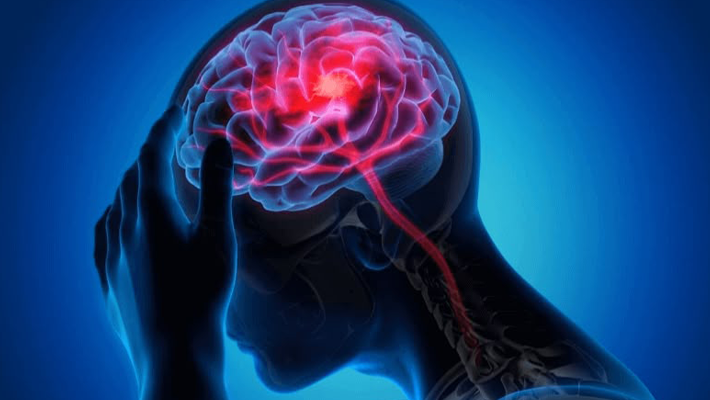
Researchers with the Pan American Health Organisation (PAHO), a sub-agency of the World Health Organisation (WHO), say nearly 470 million people across North and South America have at least one neurological disorder.
According to a new study published in The Lancet Regional Health – Americas, the figure represents two in five people living in the Americas. It includes conditions such as migraine, stroke, epilepsy, and Alzheimer’s disease.
PAHO, in a statement on Wednesday, stated that neurological disorders affect the brain, spinal cord and peripheral nerves and can impair movement, memory, learning, communication and behavior.
The study also found that age-adjusted death rates have declined since 1990, meaning more people now survive these conditions and require access to long-term care and support services. However, not all people living in the Americas can access this care.
They found nearly a fourfold difference between countries with the highest and lowest burden, based on a measure of years of life lost to disease.
Countries with the highest burden included Haiti, Guyana and Suriname, while countries with the lowest burden included Colombia, Peru and Argentina.
The disparities in care access reflect differences in exposure to risk factors, as well as persistent gaps in access to prevention, diagnosis, treatment, rehabilitation and long-term care.
In terms of risk factors, PAHO said a significant share of neurological health loss can be prevented by controlling or avoiding high blood pressure, diabetes, obesity, tobacco use and harmful environmental exposures.
In 2023, these conditions were responsible for an estimated 1.1 million deaths and 37.5 million disability-adjusted life years (DALYs), a measure that combines years of life lost due to premature death and years lived with illness or disability.
Together, they accounted for about 12 per cent of the total burden from noncommunicable diseases and injuries in the Americas.
“Today, more people are surviving neurological disorders, but they are also living longer with their consequences,” Ramón Martínez, PAHO health metrics specialist and lead author of the study, said.
“Health systems must adapt to meet growing needs for rehabilitation, long-term care, and support services for people living with disability,” he added.
The study found that a substantial share of neurological health loss in the Americas could be prevented by reducing exposure to modifiable risk factors.
High blood pressure was the leading risk factor for stroke, while elevated blood glucose levels contributed significantly to the burden of Alzheimer’s disease and other dementias.
Researchers also identified environmental exposures, particularly lead and air pollution, as important contributors to several neurological conditions.
“Many neurological disorders share risk factors with other noncommunicable diseases,” Anselm Hennis, director of PAHO’s Department of Noncommunicable Diseases and Mental Health and co-author of the study, said.
“Improving prevention and control of high blood pressure, diabetes, obesity, tobacco use, and harmful environmental exposures could deliver major benefits for brain health across the region.”
“Protecting brain health starts long before the first symptoms appear,” Renato Oliveira, chief of PAHO’s Mental Health Unit and co-author of the study, added.
“Investing in prevention and risk-factor control can help reduce the burden of neurological disorders while also lowering the risk of other noncommunicable diseases that share the same determinants.”
The authors conclude that addressing the growing burden of neurological disorders will require stronger prevention efforts, integrating neurological care into primary health care, and expanding access to rehabilitation, long-term care, and disability support services.
With populations across the Americas ageing rapidly, these investments will be critical to reducing disability and improving quality of life in the decades ahead.
(NAN)

We have recently deactivated our website's comment provider in favour of other channels of distribution and commentary. We encourage you to join the conversation on our stories via our Facebook, Twitter and other social media pages.

More from Peoples Gazette

States
Independence: NBA urges Nigerians to expect better future
The NBA said that ordinary Nigerians should be deriving benefit from the subsidy removal rather than hardship.

Agriculture
FG tasks ECOWAS on leveraging financing strategies for agroecology
The federal government has urged stakeholders in the agriculture and finance sectors in the West Africa region to leverage financing strategies to enhance agroecology practices

Politics
Katsina youths pledge to deliver over 2 million votes to Atiku
“Katsina State is Atiku’s political base because it is his second home.”

Economy
Ondo assembly seeks faster C of O processing to boost investment
The committee’s chairman, Abiola Oladapo, said efficient land administration was critical to creating an enabling environment for businesses.

Heading 4
Minister calls for greater involvement of oncology nurses in cancer care
The minister said cancer’s complexity made multidisciplinary collaboration essential.

Education
NOUN matriculates 70 inmates in Enugu custodial centre
Mr Nwakuche said the NCoS was committed to using education as an instrument for reformation.

Agriculture
Gombe inaugurates state-wide livestock vaccination campaign
Mr Yahaya said the exercise was aimed at protecting animal health.
NationWide
Asaba Massacre: Obasanjo urges forgiveness, reconciliation
He described the massacre as one of the most painful and terrible aspects of the Nigerian Civil War.

World
FBI nabs ISIS-linked Sheikhdoon Mohamud for plottting terrorist attack on Mall of America
He was arrested after buying an AK-47-style rifle, magazines and ammunition from an undercover FBI agent.


