

Adamawa NHRC coordinator tasks judiciary on timely action on cases of gender-based violence

The Coordinator, National Human Right Commission in Adamawa State, Grace Mamza, has urged the judiciary and security agencies to expedite action on cases of gender-based violence brought to them.
Ms Mamza, who made the call in an interview in Yola on Wednesday, said doing so would ensure justice for survivors.
According to her, survivors are now reporting cases of abuse with confidence due to increased awareness as opposed to the previous culture of silence.
“Sometimes they say justice delayed is justice denied, so these situations should be avoided to the minimum. If they report and action is not taken, it will diminish their morale as they were given hope that when they come out and talk, you will do something,” she said.
According to her, not ensuring justice for survivors will take people back to the culture of silence and perpetrators will continue to do worse.
She further said that going by the theme of this year’s 16 days of activism, stakeholders need to unite and do the needful to halt violence against women and girls.
She said the efforts of government agencies, civil society organisations and the UN agencies among other stakeholders in the state had broken the culture of silence on GBV.
Ms Mamza reiterated that GBV is a crime and anyone caught would face the wrath of the law.
“A person convicted of rape will be sent to prison for life, a person below the age of 14 convicted of rape is to be sent to prison for a maximum of 14 years. A person above the age of 14 years convicted of rape is to be sent to prison for a minimum of 12 years without option of fine while a group of people will be sent to prison for a minimum of 20 years without option of fine,” she said.
According to her, a person that abandons his wife or her husband, children or other dependents without means of livelihood will be sent to prison for up to three years or pay a fine of up to N500,000 or both.
She added that a person who attempts to commit the offence would be sent to prison for up to two years or pay a fine of up to N200,000 or both.
(NAN)

We have recently deactivated our website's comment provider in favour of other channels of distribution and commentary. We encourage you to join the conversation on our stories via our Facebook, Twitter and other social media pages.

More from Peoples Gazette

Agriculture
FG tasks ECOWAS on leveraging financing strategies for agroecology
The federal government has urged stakeholders in the agriculture and finance sectors in the West Africa region to leverage financing strategies to enhance agroecology practices

Politics
Katsina youths pledge to deliver over 2 million votes to Atiku
“Katsina State is Atiku’s political base because it is his second home.”

Health
Anambra inaugurates diphtheria awareness campaign
The director assured residents that no confirmed case of diphtheria had been recorded in Anambra.
Africa
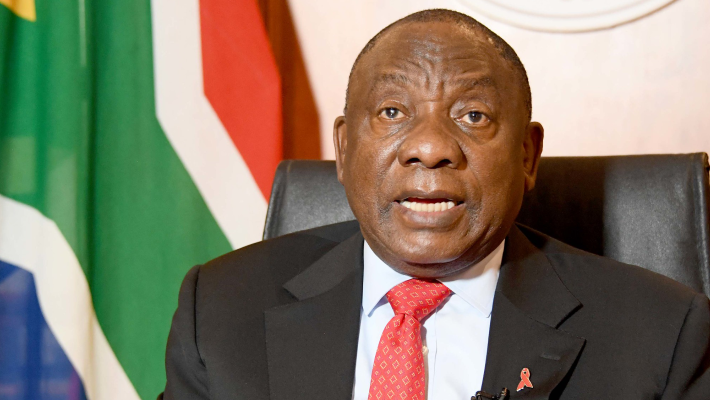
South Africa leverages BRICS membership to entice investors
President Cyril Ramaphosa’s government said it was working to restore direct flights between India and South Africa.

NationWide
U.S. lifts 12-year security restriction on Nigerian vessels
He said the development followed sustained improvements in Nigeria’s maritime security.

States
Court remands couple for allegedly killing 25-year-old woman in Ekiti
The court adjourned until October 9 for mention.

Education
Court dismisses UI VC’s injunction application to stop student activists’ reinstatement
The judge said there was effectively no order left to stay, noting the affected students had resumed classes and the substantive matter was pending before the Court of Appeal.

States
Benue, Niger witnessed renewed attacks on communities in August: NHRC
The commission lamented the killing of rural farmers and described it as an attack on food security.


