

AfDB approves $500 million loan to boost electricity access in Nigeria

The Board of Directors of the African Development Bank Group has approved a loan of $500 million to the Federal Republic of Nigeria to finance the first phase of the Economic Governance and Energy Transition Support Program (EGET-SP), a new program aimed at accelerating transformation of the country’s electricity infrastructure and improving access to cleaner sources of energy.
The loan will help close the financing gap of the Federal Budget in the 2024/25 fiscal year, specifically supporting the implementation of the country’s new Electricity Act and the Nigeria Energy Transition Plan.
The Nigerian government launched the energy transition plan in August 2022, and in June 2023, passed a new Electricity Act decentralizing the electricity supply industry and setting the stage for increased investments by subnational governments and the private sector.
The energy transition plan envisions the development, by 2050, of 250 GW of installed electricity capacity, 90% of which will be renewable. It will provide clean cooking access to the bulk of the population by 2030, using liquefied petroleum gas (LPG), biogas, biofuels like ethanol, and electric cookstoves.
The Economic Governance and Energy Transition Support Program will also support the implementation of these policies, helping deliver much-needed upgrades of Nigeria’s electricity infrastructure, and fast-tracking the country’s efforts to transition millions of households and businesses to cleaner and renewable sources of energy.
The Bank Group’s $500m support to the Federal Government of Nigeria is the latest in a series of initiatives aimed at supporting the country’s economic growth, poverty reduction, and climate action efforts.
The Economic Governance and Energy Transition Support Program (EGET-SP) is in line with the Bank Group’s new Ten-Year Strategy 2024-2033, its High 5s priorities, and the New Deal on Energy for Africa which seeks to achieve universal access to modern energy by 2030.
As of July 2024, the African Development Bank Group’s active portfolio in Nigeria is valued at about $4.4 billion.

We have recently deactivated our website's comment provider in favour of other channels of distribution and commentary. We encourage you to join the conversation on our stories via our Facebook, Twitter and other social media pages.

More from Peoples Gazette

States
Independence: NBA urges Nigerians to expect better future
The NBA said that ordinary Nigerians should be deriving benefit from the subsidy removal rather than hardship.
Agriculture
FG tasks ECOWAS on leveraging financing strategies for agroecology
The federal government has urged stakeholders in the agriculture and finance sectors in the West Africa region to leverage financing strategies to enhance agroecology practices

Politics
Katsina youths pledge to deliver over 2 million votes to Atiku
“Katsina State is Atiku’s political base because it is his second home.”

Agriculture
Tomato prices remain high as pepper gets cheaper in Lagos
Traders and consumers described how changing prices have affected sales, household spending, and the quantities of produce they can afford.

States
Oyo police kill suspected kidnapper, rescue 15-year-old victim
The police spokesman said the operation resulted in a gun duel after the suspected kidnappers opened fire upon sighting the security team.

NationWide
IGP proposes 200% gratuity, pension for retired officers
Mr Disu said the package was also expected to address recurring protests by serving officers.
States
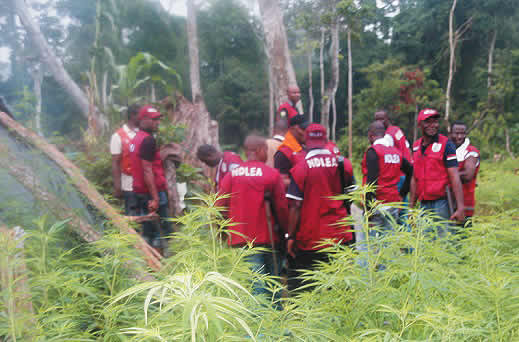
NDLEA recovers tons of illicit drug consignments in nine states
Mr Marwa urged NDLEA operatives across the country to sustain the tempo of the war against drug trafficking and substance abuse.

States
Police arrest suspect, recover two stolen cows in Niger
Mr Abiodun said the owner of the stolen cows has been identified, while efforts are ongoing to apprehend the suspect and other accomplices.

Health
Shortage of oncology nurses threatens cancer care delivery in Nigeria
The professionals noted that the country lacked sufficient specialists to meet the increasing demand for cancer care.


