

Africa bears heavy burden of biodiversity loss, UN says
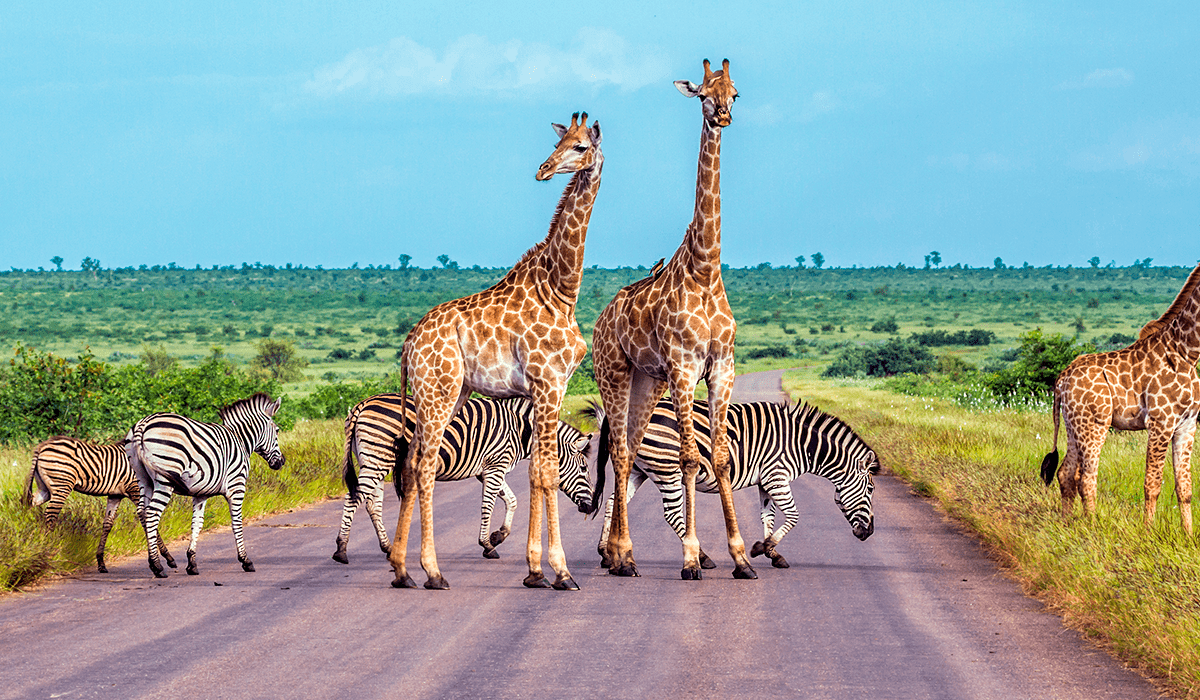
Africa is bearing a disproportionate burden of global biodiversity loss, threatening food security, livelihoods, clean water and climate resilience across the continent.
Executive secretary of the UN Convention on Biological Diversity, Astrid Schomaker, disclosed this during a major scientific and policy meeting in Nairobi.
Ms Schomaker said biodiversity loss was not an abstract environmental problem for Africans, particularly rural communities, farmers, fishermen and people dependent on forests and natural resources.
For millions of Africans, she said, the crisis could be seen in declining harvests, disappearing fish stocks, degraded soils, polluted water and diminishing medicinal plants.
Biodiversity refers to the variety of plants, animals and microorganisms existing within ecosystems and contributing to the survival and wellbeing of human beings.
It supports agriculture, fisheries, medicine, clean water, soil fertility, climate regulation and protection against environmental disasters.
Reports say Africa is home to about 25 per cent of the world’s biodiversity, including several globally significant forests, wetlands, grasslands, coastal ecosystems and wildlife habitats.
However, the continent has lost an estimated 24 per cent of its species since the pre-industrial period, according to a recent scientific study.
The situation poses serious concerns because millions of Africans depend directly on agriculture, fisheries, forestry, tourism and other nature-based activities for survival.
Ms Schomaker identified climate change as the single biggest driver of biodiversity loss, warning that Africa remained particularly vulnerable to climate-related shocks.
Rising temperatures, droughts, flooding, desertification and changing rainfall patterns are increasingly disrupting ecosystems and undermining agricultural productivity across the continent.
The official also identified invasive species, pollution, deforestation and the overexploitation of land and water resources as major threats to Africa’s biodiversity.
She said these pressures continued to deplete resources relied upon by rural and coastal communities for food, income, clean water and economic stability.
The UN Environment Programme (UNEP) earlier warned that global spending on activities destroying nature remained substantially higher than investments directed towards protecting and restoring ecosystems.
According to the UN, the world spends about 30 times more money destroying nature than protecting it.
Africa is particularly disadvantaged because many governments lack sufficient financial and technological resources to reverse land degradation and protect threatened ecosystems.
The continent also contributes comparatively little to global greenhouse gas emissions but suffers heavily from climate change and environmental destruction.
Experts say declining biodiversity could worsen hunger, poverty, migration, conflict and unemployment across Africa if governments fail to undertake urgent corrective measures.
African governments are, therefore, being encouraged to integrate biodiversity protection into agriculture, infrastructure, energy, mining, trade and national development planning.
Mobilising adequate funding remains central to efforts to close Africa’s biodiversity financing gap and support conservation, restoration and sustainable resource management.
Ms Schomaker said available scientific evidence had provided a clear understanding of the biodiversity crisis confronting Africa and the rest of the world.
(NAN)

We have recently deactivated our website's comment provider in favour of other channels of distribution and commentary. We encourage you to join the conversation on our stories via our Facebook, Twitter and other social media pages.

More from Peoples Gazette

Agriculture
FG tasks ECOWAS on leveraging financing strategies for agroecology
The federal government has urged stakeholders in the agriculture and finance sectors in the West Africa region to leverage financing strategies to enhance agroecology practices

Politics
Katsina youths pledge to deliver over 2 million votes to Atiku
“Katsina State is Atiku’s political base because it is his second home.”

Rights
Gov Bago relaxes curfew amid tension over NSCDC’s alleged killing of miners
The governor appealed to residents to remain law-abiding and responsible citizens as the government continues to work to improve their well-being.

Sport
Awoniyi replaces injured Osimhen in Super Eagles squad for AFCON 2027 qualifiers
Coventry City striker Taiwo Awoniyi has replaced injured Victor Osimhen in the Super Eagles squad for Nigeria’s 2027 Africa Cup of Nations qualifying matches this month.

Opinion
Deaths that have become ordinary
The citizens who died in Odigbo were not numbers. Neither were the 37 people who died in Niger.

Lagos
Lagos directs evacuation from flood-prone areas
The Lagos government said the directive followed a fresh seven-day flood alert issued by the Nigerian Hydrological Services Agency.

Politics
Navy chief urges cadets to uphold democratic values
The chief of training (Nigerian Navy) has charged passing-out cadets of the Nigerian Defence Academy to uphold democratic values and safeguard Nigeria’s national interests.

States
NCAC, Enugu to host NAFEST 2026
NCAC is collaborating with the Enugu government to host the 2026 National Festival of Arts and Culture to promote national unity and cultural diversity.


