

Africa faces unprecedented threats, needs conflict prevention: UN

Africa faces unprecedented threats from violent conflicts, and the continent needs conflict prevention to achieve peace and security, UN special representative to the African Union, Parfait Onanga-Anyanga, has said.
Mr Onanga-Anyanga was speaking at a Security Council meeting focused on the key issues facing Africa and cooperation between the UN and the AU.
The UN envoy also stated that conflicts in Africa cannot be resolved through military solutions. According to him, peace and security on the continent “demands a proactive preventative” approach.
He warned that “concerns remain in some parts of the continent about the number and complexity of conflicts”.
He said these conflicts were often worsened by “weak or ineffective state authority, violent extremism conducive to terrorist activities, and the inequitable management of natural resources”.
The other reasons fuelling violent conflicts, he said, are “organised crime, the impact of climate change, acute food insecurity and, in some cases, denial of fundamental human rights”.
Conflicts in the Horn of Africa, Sudan, South Sudan, and the Great Lakes region, including the Democratic Republic of the Congo, have caused widespread displacement and multiple humanitarian emergencies.
“No military solution whatsoever can resolve underlying causes of the conflict in the DRC or elsewhere in Africa,” Mr Onanga-Anyanga said. “I call upon this council to continue to leverage its influence towards the peaceful settlement of outstanding issues between the parties.”
The UN representative highlighted two critical conflict-related issues to council members: climate change as a conflict multiplier and the challenges faced by women and girls in battle-scarred regions. He noted the consistent spillover effects of climate-induced insecurity across all these crises.
Speaking for the AU, Mohamed Edrees told the council that “Africa is facing an unprecedented wave of threats to its security”. The AU envoy added that “solutions are needed to achieve greater stability”.
The UN and the AU have long collaborated on issues affecting the continent. According to the UN official, significant progress has been made, particularly in supporting recent free, fair, and credible elections across the continent.
Mr Onanga-Anyanga said that fostering consensus was more important than ever.
He added that the partnership was “essential to address today’s complex, evolving and interconnected threats to peace, security, development and human rights, particularly in Africa”.
(NAN)

We have recently deactivated our website's comment provider in favour of other channels of distribution and commentary. We encourage you to join the conversation on our stories via our Facebook, Twitter and other social media pages.

More from Peoples Gazette

States
Independence: NBA urges Nigerians to expect better future
The NBA said that ordinary Nigerians should be deriving benefit from the subsidy removal rather than hardship.

Agriculture
FG tasks ECOWAS on leveraging financing strategies for agroecology
The federal government has urged stakeholders in the agriculture and finance sectors in the West Africa region to leverage financing strategies to enhance agroecology practices

Politics
Katsina youths pledge to deliver over 2 million votes to Atiku
“Katsina State is Atiku’s political base because it is his second home.”
Hot news Home top
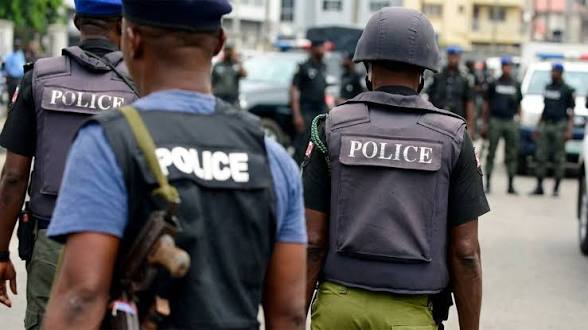
PSC dismisses three senior police officers, demotes 16 over misconduct
The commission also approved severe reprimands for 21 officers.
NationWide
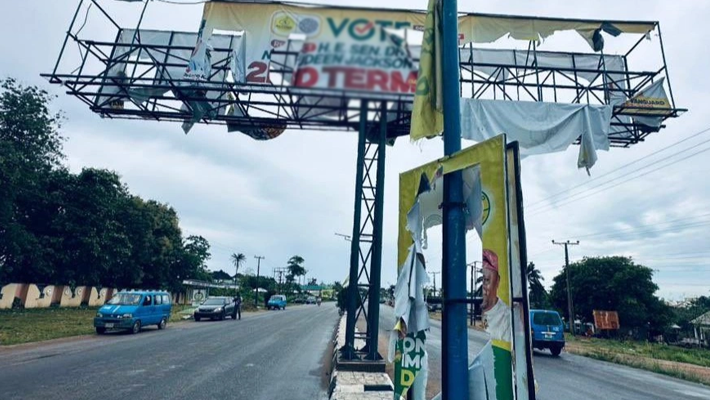
2027: Police caution political supporters against destroying campaign posters
The police urged those involved in the act to desist, warning that offenders would be arrested and prosecuted.
Health
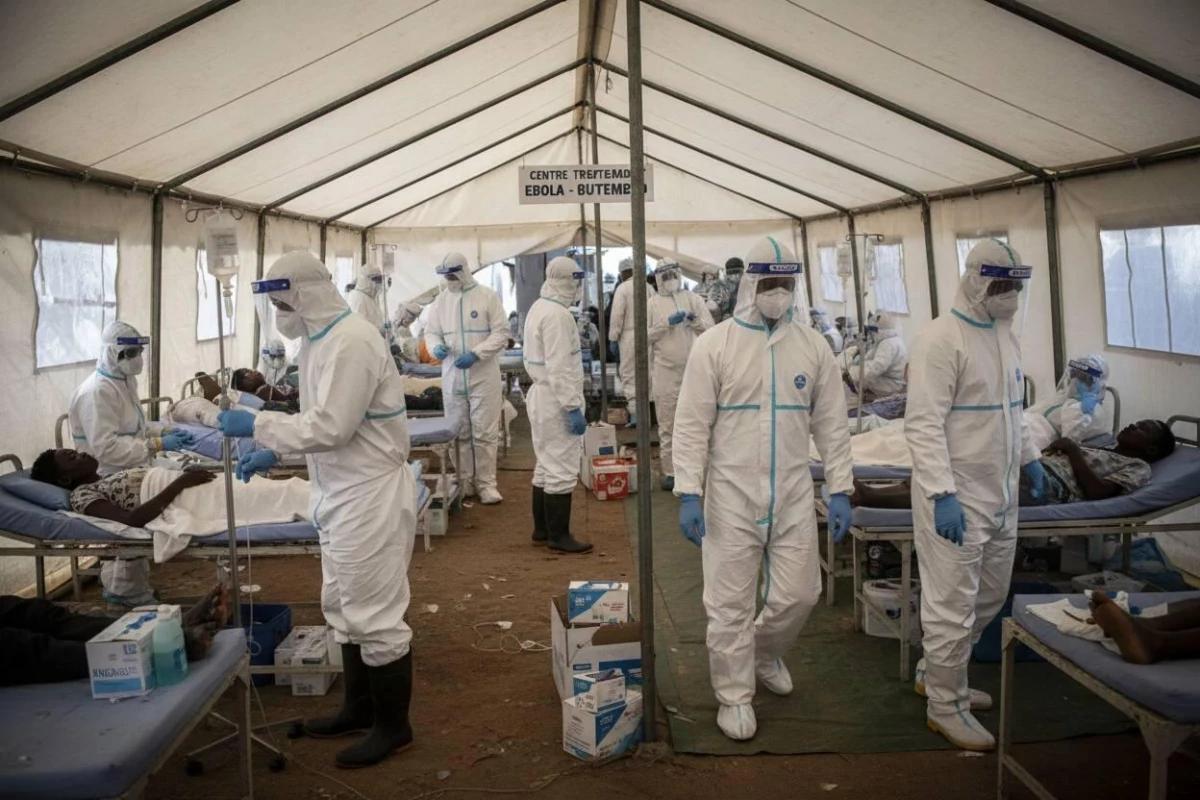
British man in DR Congo to be evacuated to UK after testing positive for Ebola
The UK government said this on Wednesday.
Heading 2
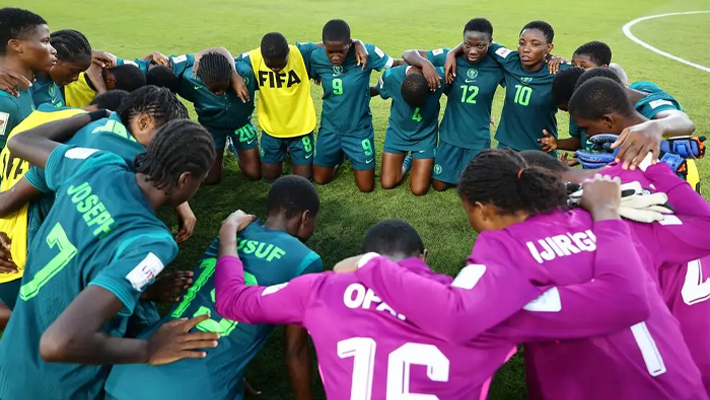
Nigeria’s Flamingos beat Brazil 3-1 to reach historic U-17 World Cup final
Japan will be playing in their second final.

Heading 4
JD Vance blames Israel, economy for Republicans’ midterm losses
Democrats now have 54 seats in the Senate, while Republicans’ seats dropped to 44.
Africa
Namibia president declares Dangote’s $2.5 billion energy investment landmark for Africa’s industrial future
She described the occasion as the most memorable day of her presidency.


