

African traditional medicine key to universal health coverage, says WHO

Monday marked the 24th African Traditional Medicine Day, with experts urging governments to invest more in research, regulation and innovation to unlock traditional medicine’s potential for universal health coverage.
The World Health Organisation (WHO), in a post on X, said the August 31 observance focused on strengthening traditional medicine as a credible contributor to Africa’s healthcare systems.
According to WHO, the theme, “Reflection on research and development efforts of traditional medicine towards achieving universal health coverage in the African Region,” underscores the need to transform knowledge into solutions.
The organisation said the WHO Global Traditional Medicine Centre and WHO Regional Office for Africa convened stakeholders to examine how evidence, innovation and community trust could move traditional medicine into practice.
WHO said this year’s observance highlighted research and development efforts to make traditional medicine more accessible, safer and evidence-based, while supporting universal health coverage across African countries.
“Participants said traditional medicine could strengthen primary healthcare when supported by scientific evidence, effective regulation, innovation and sustained investment,” WHO said, emphasising the sector’s growing healthcare relevance.
“African Traditional Medicine Day commemorates a landmark WHO resolution adopted during the organisation’s 50th Regional Committee meeting in Ouagadougou in 2000.
“Traditional medicine remains an important source of healthcare, particularly in rural communities where practitioners often serve as the first point of contact,” the organisation said.According to WHO, experts noted that traditional health practitioners possess deep community relationships and cultural legitimacy that can complement conventional healthcare systems and improve access to quality services.
The organisation said Temitayo Erogbogbo, global advocacy director at Merck Sharp and Dohme for Mothers, emphasised that trust remained a critical asset within traditional healthcare networks.
According to WHO, Mr Erogbogbo said traditional birth attendants, community healers and other practitioners maintain longstanding relationships that can support better health outcomes when appropriately integrated into healthcare delivery.
WHO said Prof. Martins Emeje, director-general of the Nigeria Natural Medicine Development Agency, participated in the discussion and offered perspectives on advancing traditional medicine through scientific validation and innovation.
The organisation said Mr Emeje also serves as co-chair of the WHO Strategic and Technical Advisory Group for Traditional, Complementary and Integrative Medicine, supporting global policy and research efforts.
According to WHO, participants emphasised that traditional medicine should not be seen as a relic of the past but as a living knowledge system that requires evidence and innovation.
The experts said Africa has vast traditional health knowledge and biodiversity resources that could drive healthcare development, pharmaceutical innovation and economic opportunities across the continent.
However, WHO said participants emphasised that unlocking the potential required stronger collaboration among researchers, policymakers, entrepreneurs, communities and traditional health practitioners working towards shared healthcare goals.
The organisation said stakeholders also called for greater domestic investment in research and development to scientifically investigate, validate and improve traditional medicines for broader healthcare applications.
According to WHO, participants highlighted the urgent need to document traditional medical knowledge to prevent valuable information from disappearing and ensure its preservation for future generations.
The organisation warned that undocumented knowledge risked being permanently lost, making systematic preservation, scientific study and knowledge transfer essential for sustainable healthcare innovation and development efforts.
“The discussion aligned with WHO’s Global Traditional Medicine Strategy 2025-2034, which prioritises research, regulation, integration and collaboration.
“The strategy seeks to promote safe, effective and evidence-based traditional medicine while strengthening people-centred health systems,” WHO said, outlining its vision for healthcare transformation through integration.
“Traditional medicine is already used by millions worldwide and can support prevention, self-care and primary healthcare alongside biomedical services,” the organisation said during the discussion.According to WHO, experts expressed optimism that innovation, digital tools, and growing youth interest could create new opportunities for traditional medicine research, entrepreneurship, and healthcare advancement.
“They envisioned stronger collaboration between traditional medicine and biomedicine, with both approaches contributing complementary strengths to healthier communities.
“Countries including Cameroon, Madagascar, Mozambique, South Africa and Zimbabwe are commemorating the day through national and regional activities,” the organisation said.
WHO said speakers ultimately called for sustained investment in evidence generation, empowerment of traditional health practitioners, and responsible use of Africa’s biodiversity to expand access to quality healthcare.
(NAN)

We have recently deactivated our website's comment provider in favour of other channels of distribution and commentary. We encourage you to join the conversation on our stories via our Facebook, Twitter and other social media pages.

More from Peoples Gazette

Agriculture
FG tasks ECOWAS on leveraging financing strategies for agroecology
The federal government has urged stakeholders in the agriculture and finance sectors in the West Africa region to leverage financing strategies to enhance agroecology practices

Politics
Katsina youths pledge to deliver over 2 million votes to Atiku
“Katsina State is Atiku’s political base because it is his second home.”

Africa
Guterres demands Africa’s minerals create jobs, backs permanent UN seats
António Guterres has demanded an end to the plundering of Africa’s mineral resources, insisting the continent’s wealth must create jobs and prosperity for Africans.
Economy
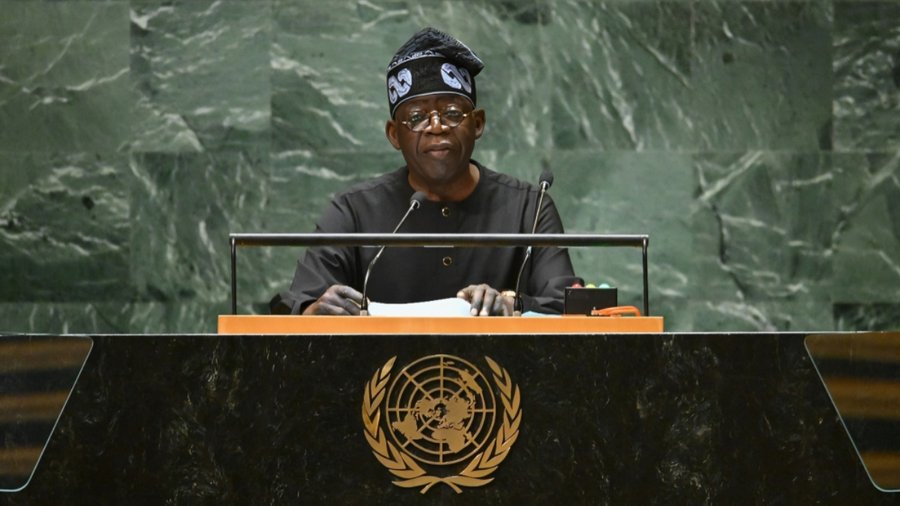
Nigeria push for end of exploitation of Africa’s mineral resources at UNGA81
President Bola Tinubu has called for a fresh continental push to end the exploitation of Africa’s critical mineral resources.

Heading 4
Lawyer Ikeni Mbako-Allison suspended after being found guilty of harassing woman in UK
“Ikeni Mbako-Allison, a barrister, behaved in a way which is likely to diminish the trust and confidence which the public would place in him or in the profession,” the BSB said.

Abuja
Dangote Refinery: Abuja motorists, commuters decry delay in petrol price cuts
Motorists and commuters across Abuja have decried petrol stations’ failure to reduce petrol prices following the Dangote Refinery’s latest N25 per litre cut.
Anti-Corruption
Crown Medical Solutions, owners reach agreement with U.S. govt over fraudulent billing scheme
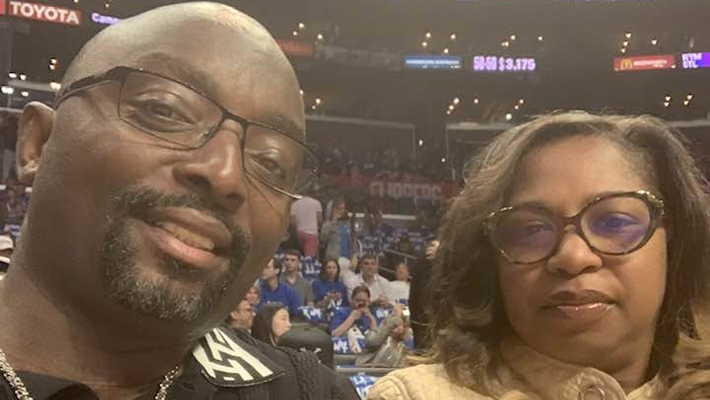
Crown and its owners, Michelle and Philanzo King, have agreed to pay $825,000 to resolve allegations of submitting false claims to Medicare for payment.
World
UK govt charges Vincent ‘Bajinya’ Brown with crimes linked to Rwandan genocide
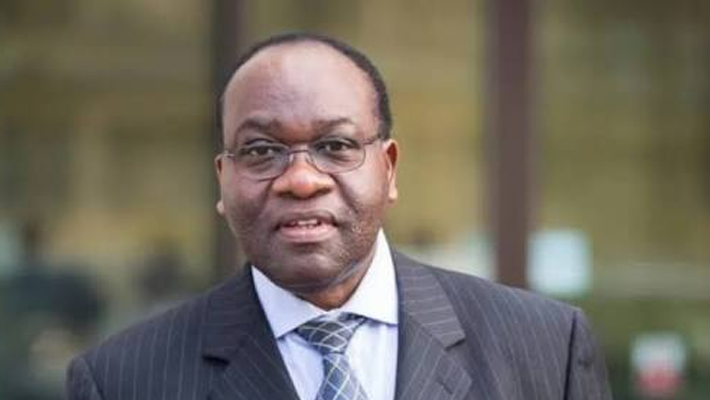
The UK police, in a statement on Monday, said Mr Brown was the first to be charged in the UK over a link to the 1994 genocide against the Tutsi in Rwanda.


