

African women less likely to die from COVID-19: WHO Report
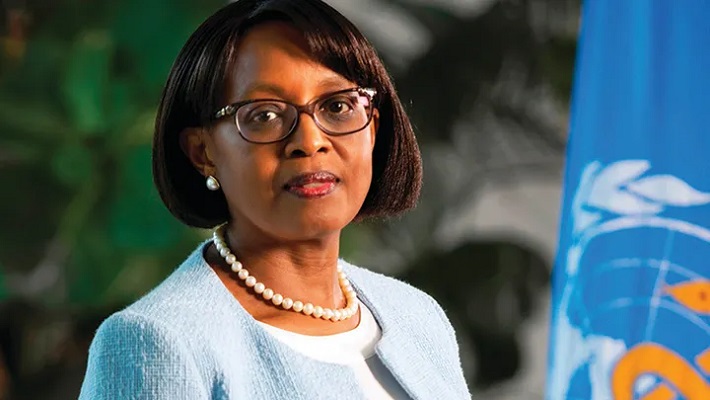
The World Health Organisation has revealed that women account for a relatively smaller portion of COVID-19 infections and deaths in Africa despite dominating the healthcare workforce.
This is contained in a preliminary analysis released by the global public health body.
The novel virus had held the world to ransom since 2019 accounting for 115,978,601 infections and 2,575,196 deaths, with Africa recording 3,959,013 cases with 104,920 COVID-19 related deaths.
Relying on COVID-19 gender-specific epidemiological data provided by 28 African countries, the report released by WHO on Thursday, disclosed that women account for about 41% of COVID-19 infections in Africa.
This is in spite of the female dominance of the healthcare workforce which puts them at higher risk of infection.
In Africa, more than 95,000 health workers have been infected with COVID-19.
The report detailed that while women accounted for a lesser fraction of COVID-19 infection in Nigeria, South African women were dominating the country’s COVID-19 infection tally by 57 percent.
“In most countries, women are somewhat less likely to die from COVID-19 than men. For instance, in Cote d’Ivoire the case fatality ratio stands at 0.4 percent for women compared with 0.5 percent in men, while in the Democratic Republic of the Congo it is 2.2 percent versus 2.7 percent and 0.1 percent versus 0.5 percent in Seychelles,” the analysis read.
“This comes despite women accounting for a large part of the health workforce which puts them at higher risk of infection. In Africa, more than 95,000 health workers have been infected with COVID-19. In Seychelles, women account for 71 percent of health worker infections, 64 percent in Eswatini, 55 percent in Cote d’Ivoire and 54 percent in Senegal, 64 percent in Eswatini, 55 percent in Cote d’Ivoire and 54 percent in Senegal.” it added.
It further noted that the pandemic and the initial strict containment measures such as lockdowns, movement restriction and school closures underlined the existing vulnerabilities faced by women and girls.
Matshidiso Moeti, the WHO regional director for Africa highlighted the need to address the hidden crisis beyond the pandemic causing long-term effects to lives and livelihoods of women.
“The aftershocks of the COVID-19 pandemic on women and girls have been profound, leaving many grappling with heightened risks to their health and safety,” she said. “Our response must go beyond the clinical aspects of the pandemic and address the hidden crises that risk causing long-term effects to lives and livelihoods.”

We have recently deactivated our website's comment provider in favour of other channels of distribution and commentary. We encourage you to join the conversation on our stories via our Facebook, Twitter and other social media pages.

More from Peoples Gazette

Agriculture
FG tasks ECOWAS on leveraging financing strategies for agroecology
The federal government has urged stakeholders in the agriculture and finance sectors in the West Africa region to leverage financing strategies to enhance agroecology practices

Politics
Katsina youths pledge to deliver over 2 million votes to Atiku
“Katsina State is Atiku’s political base because it is his second home.”
Heading 3
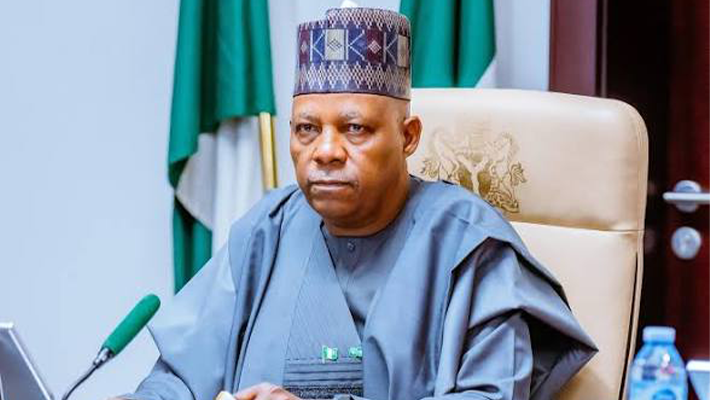
NELFUND has removed financial barriers to higher education, says Shettima
Mr Shettima described NELFUND as a landmark initiative.

States
Osun police nab man for allegedly killing mother
Mr Ojelabi said the suspect allegedly confessed to killing his mother on August 31 by slitting her throat.

Heading 3
Tinubu devalued naira yet wants praises; N30,000 minimum wage in 2023 worth more than current N70,000: Atiku
Mr Abubakar said Nigerians should not be deceived by the spectacle of trillions being announced every month.
Lagos
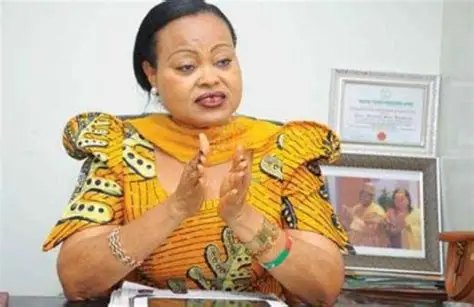
Lagos intensifies security against child theft in Badagry
Mrs Salu-Hundeyin attributed the concentration partly to Badagry’s status as a border community.
States
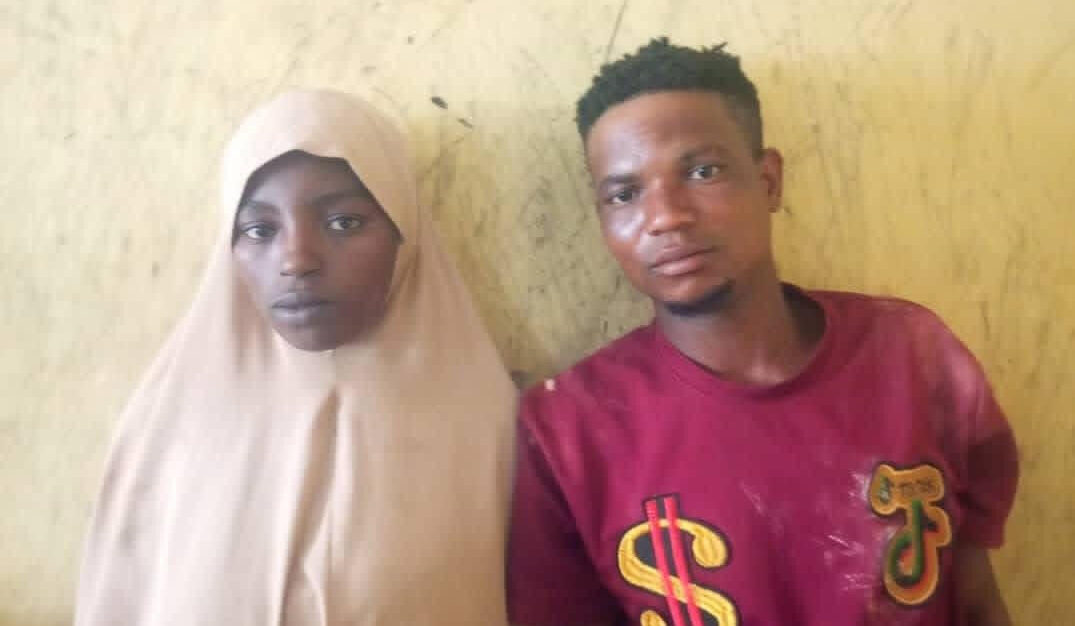
Police rescue two abducted victims, dismantle kidnappers’ camp in Kaduna
Police also killed two suspected kidnappers during Tuesday’s incident.

Hot news Home top
FCSC releases dates, centres for 2026 directorate-level promotion examination
Mr Olaopa advised candidates to carefully note the examination date indicated on their examination cards.


