

AIS urges faith groups to adopt inclusive financing practices
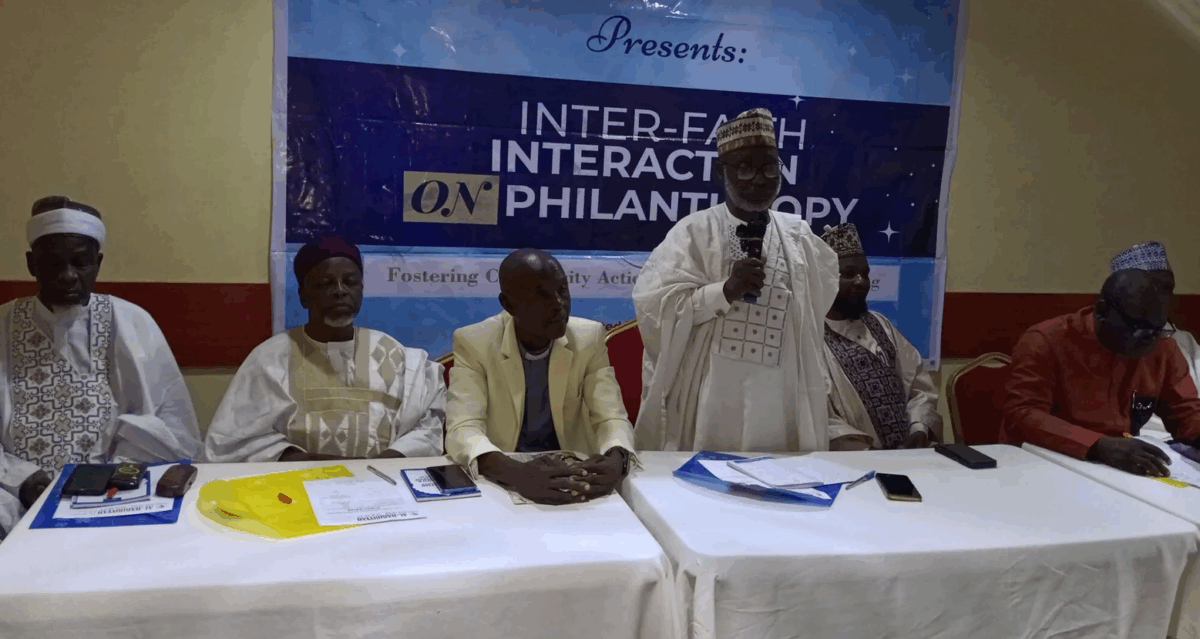
The Al-Habibiyya Islamic Society has urged Islamic and Christian organisations to align with global standards on inclusive financing to promote community growth and national development.
The national chief imam of AIS, Fuad Adeyemi, made the call during an Interfaith Interaction on Philanthropy Initiative held on Saturday in Sokoto.
Mr Adeyemi encouraged the groups to design strategic business and charitable endowment initiatives aimed at empowering people and reducing poverty. He said such initiatives should involve dedicating assets or properties whose proceeds would be channelled towards community development and social welfare.
The imam also urged the groups to enhance their income generation strategies to foster productive engagements and promote the public good through partnerships and collaboration. He noted that effective resource management and empowerment initiatives would accelerate poverty reduction and strengthen community resilience across the country.
Mr Adeyemi explained that besides its Waqf Foundation, AIS had launched other developmental projects, including the ‘Faith and Philanthropy Initiative’ in partnership with the McArthur Foundation. He listed the Al-Habibiyya Rural Initiative, Estate Planning and Allied Services, Diaspora Support Services, Volunteer Mobilisation, and the African Mosque Forum among other programmes.
According to him, AIS plans to collaborate with business associations, the Corporate Affairs Commission, and Islamic banks to drive the various initiatives. He expressed optimism that the initiatives would provide sustainable, faith-based solutions to poverty and underdevelopment nationwide.
Mr Adeyemi urged faith groups to adopt modern financial systems, register with regulatory bodies, and develop sound income and support strategies for their members. He cautioned against excessive blame on the government, emphasising the need for community-based systems rooted in religious teachings to overcome poverty.
A resource person, Binati Yakubu, explained church financial sources, prudent management, and member support schemes, including scholarships and empowerment programmes. Mr Yakubu noted that churches channel portions of their income to headquarters and other voluntary empowerment projects that benefit their congregations.
Another speaker, Abdullahi Gulma, spoke on mosque financial systems and emphasised the role of economic empowerment, charity, and wealth creation in societal development. Mr Gulma traced the history of Islamic financing, volunteer support, and charitable practices that promote social welfare and aid the less privileged.
He said the Quran contains numerous references to wealth, trade, and charity, underscoring the link between financial stability and spiritual fulfilment. Mr Gulma highlighted the importance of inclusive financing, Zakkat, Waqf, and Sadaqat, stressing that proper execution could eradicate poverty and reduce crime.
He further advocated self-reliance and economic independence through faith-based, locally driven initiatives that align with Islamic principles.
(NAN)

We have recently deactivated our website's comment provider in favour of other channels of distribution and commentary. We encourage you to join the conversation on our stories via our Facebook, Twitter and other social media pages.

More from Peoples Gazette

States
Independence: NBA urges Nigerians to expect better future
The NBA said that ordinary Nigerians should be deriving benefit from the subsidy removal rather than hardship.

Agriculture
FG tasks ECOWAS on leveraging financing strategies for agroecology
The federal government has urged stakeholders in the agriculture and finance sectors in the West Africa region to leverage financing strategies to enhance agroecology practices

Politics
Katsina youths pledge to deliver over 2 million votes to Atiku
“Katsina State is Atiku’s political base because it is his second home.”

Education
Kaduna targeting zero out-of-school children in one year, says commissioner
Mr Madaki emphasised the need to prioritise children from disadvantaged backgrounds.

Abuja
Police arrest another Abuja driver over fake presidential number plate
The police said the suspect was arrested on Monday at about 2:35 p.m.

Sport
La Liga apologises to China over Mbappé’s Mao meme comment
La Liga said, “To the extent of our institutional responsibility, we apologise on behalf of LALIGA and all its clubs.”
States
Kogi assembly passes state police bill
Mr Yusuf said that State Police occupied a significant place in Nigeria’s nation-building process over the past decades.

Sport
Chinese firms drop Mbappe over Mao meme comment
The footballer has offered apology to the Chinese people, saying his comment was ill-judged.

Africa
AFC, Munich Re sign $1 billion managed debt mobilisation programme to expand trade finance
The AFC’s deputy director and head of syndications, Wole Asase, stated that the arrangement slightly differed from previous agreements.


