

Amnesty International urges Madonna University to recall final year nursing student expelled over TikTok challenge
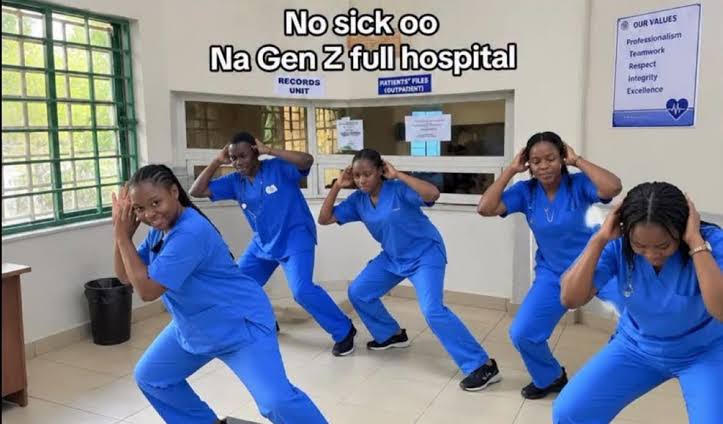
Amnesty International has urged the management of Madonna University in Rivers State to rescind the expulsion of a final year nursing student and suspension of 14 other nursing students for participating in a controversial TikTok challenge which went viral.
The rights group on Wednesday argued that the sanction was an overkill and consequently, disproportionate to the offence.
“The expulsion and suspension are disproportionate,” the statement said. “The university should prioritise dialogue and mediation.”
Several nursing students of Madonna University participated in a TikTok challenge dancing in their blue uniforms with the caption “No sick o, na Gen Z full hospital.”
This translates in English as “Don’t fall sick, the hospital is full of Gen Z (healthcare practitioners). The video showed the students dancing in unison on chairs in a waiting room and on the stairs of the university’s teaching hospital.
Amnesty International said students have rights to freely express themselves and access to education, adding that the punishment would trample those rights.
“The students have the rights to freedom of expression, academic freedom and education. The expulsion and suspension are harsh and would create a chilling effect on the enjoyment of these rights,” the group said.
One of the affected students, who did not identify herself, cried in a social media video, pleading for mercy from the school.
“I’m one of the students affected and this pain is beyond words,” the student said tearfully. “Years of sacrifices, sleepless nights and dreams shouldn’t end like this. Please let us have a second chance.”
The video which was uploaded in August gained traction last month with many Nigerians condemning the nurses for implying that sick Nigerians were not safe in the hands of Gen Z healthcare professionals.
President of the National Association of Nigerian Students (NANS), Akinteye Afese, appealed for a rescission of the expulsion.
“Expulsion is, by far, a grave punishment. Beyond the immediate academic consequences, it can fundamentally alter the course of a young person’s life,” Mr Afeez said.

We have recently deactivated our website's comment provider in favour of other channels of distribution and commentary. We encourage you to join the conversation on our stories via our Facebook, Twitter and other social media pages.

More from Peoples Gazette

States
Independence: NBA urges Nigerians to expect better future
The NBA said that ordinary Nigerians should be deriving benefit from the subsidy removal rather than hardship.

Agriculture
FG tasks ECOWAS on leveraging financing strategies for agroecology
The federal government has urged stakeholders in the agriculture and finance sectors in the West Africa region to leverage financing strategies to enhance agroecology practices

Politics
Katsina youths pledge to deliver over 2 million votes to Atiku
“Katsina State is Atiku’s political base because it is his second home.”

Africa
Kenya begins contact tracing after COVID-19 patient dies at Nairobi hospital
Ms Kimambo stressed that the next few days would be critical for authorities.
Africa
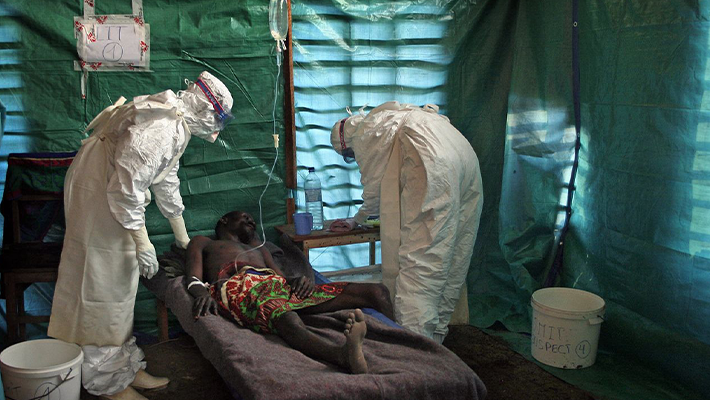
DRC records 8,665 Ebola cases, 4,178 deaths as Kenya reports imported case
WHO says the Ebola epidemic in the DRC has reached 8,665 confirmed cases and 4,178 deaths, with transmission slowing in some areas but growing elsewhere.

World
Australian parents back social media ban for Under-16: Study
The study finds that 67 per cent of parents report posting photos of their children online despite concerns about children’s privacy.

States
Police arraign man over alleged theft of N15 million Ford Explorer
Mr Bashiru pleaded not guilty to the charges.
Lagos
No child can consent to sex, DSVA warns
The DSVA said a child can not consent to sexual intercourse, citing the Nigerian Child Rights Act of 2003 and the Lagos State Child’s Rights Law of 2007.

Lagos
Court remands man over alleged possession of 5,000 molly tablets
The magistrate adjourned the case until November 2 for further proceedings.


