

Atiku, Obi and the road to Kilimanjaro
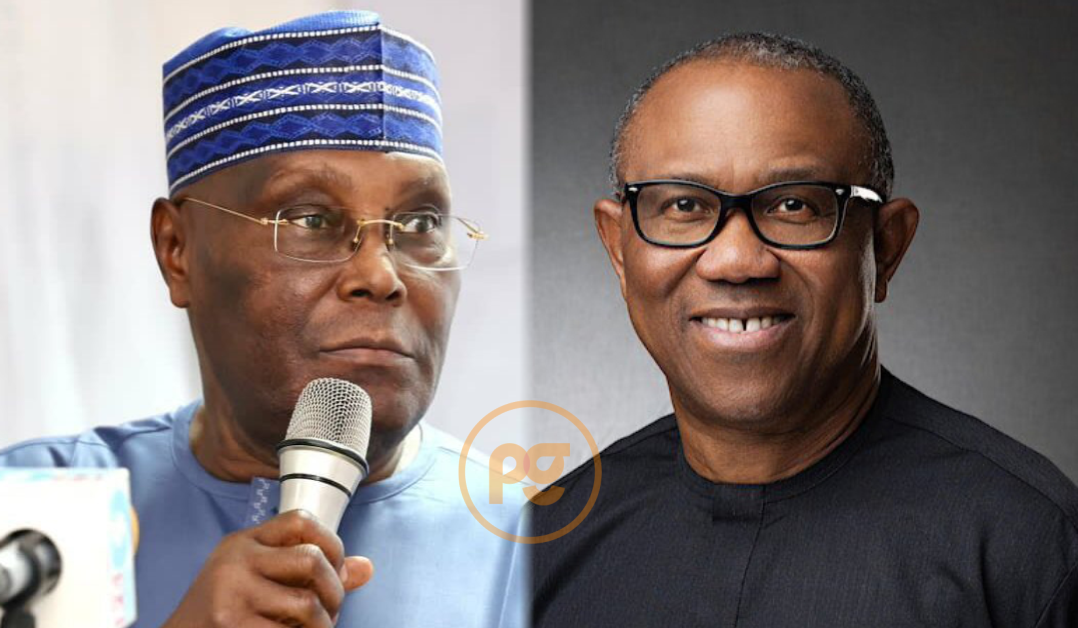
Former vice-president and presidential candidate of the Peoples Democratic Party (PDP), Atiku Abubakar, said on Monday that Nigeria was the bigger loser in last week’s decision by the Supreme Court to uphold the election of President Bola Ahmed Tinubu. That was a convenient exaggeration to hide his misery.
But it was unnecessary. After unsuccessfully contesting to be president six times, it would have been human for him to admit that this loss, on what might well be his last attempt, was difficult to bear. He didn’t need to frame it as a national tragedy because, quite frankly, it wasn’t.
It’s the tragedy of the political elite enabled by the choices made by politicians, including members of Abubakar’s PDP, which also used to be Labour Party candidate Peter Obi’s home.
Even if Abubakar or Obi had won the 2023 presidential election, it would have been almost impossible to overturn. It just happened that they were at the receiving end.
Transmission and forgery tourism
Yet, the pursuit of redress need not be frustratingly difficult and complicated. If, for example, the National Assembly had made Section 60 of the Electoral Act on the electronic transmission of results compulsory and not discretionary, whatever the Independent National Electoral Commission (INEC) might have said later, it would have had no option but to comply.
The commission waffled because the law is not binding. Its non-compliance undermined the integrity of the system and opened the door to self-help, a point acknowledged in the judgment of the Supreme Court.
Another obvious source of distress for Abubakar and Obi, particularly Abubakar, was that the court refused to admit and consider the pleading that Tinubu’s certificate from the Chicago State University (CSU), purportedly filed as part of his documents to INEC, was forged.
After losing the first round of legal challenge at the tribunal, Abubakar’s counsel mounted a vigorous attempt at a U.S. court to obtain Tinubu’s certificate and succeeded in spite of inexplicable efforts by the president’s team to block them.
Armed with the deposition from the U.S. court, Abubakar went to the Supreme Court believing that he had eventually found the smoking gun. But there were at least two major problems which serious lawyers from other parts of the world watching the live Supreme Court proceedings on October 24 would have been embarrassed to see.
One, the deposition filed by Abubakar’s lawyers did not comply with the rules of evidence in a Nigerian court, which makes the certification of such documents by the issuing courts or authorities mandatory. Instead, the Supreme Court said, the certification of the document was done in the chambers of Abubakar’s lawyers. This negligence – to have either the U.S. court or CSU certify the deposition alleging forgery – handed a loophole to a legal system notorious for its embarrassing fastidiousness to technicalities.
Heart of the matter
But that was only a part of the coup de grace. Two, the case lost its way even before it reached the tribunal, which, in the presidential election, is the court of appeal.
The whole point of the contest was not whether a forgery had been committed, though it may have been material at an earlier stage. The point was whether Abubakar’s lawyers could prove that the presidential election on February 25 had been so significantly rigged that Tinubu could not have won it.
And to do that Atiku didn’t need to go to the U.S., except if he was doing so as Rauf Aregbesola’s lawyers did in Osun state in Rauf Aregbesola & 2 Ors vs. Olagunsoye Oyinlola & 2 Ors (2011) 9 NWLR Pt. 1253 Pg. 582, where the team used forensic help from abroad to make its case.
It was the inability of Abubakar’s legal team to meet this herculean challenge that forced them on forgery tourism – a sexier, far less complicated route, which, regrettably, often ends in heartbreak.
In the few cases where the Supreme Court has overturned the election of governors – never those of presidents – the decisions, especially in the cases of Rotimi Chibuike Amaechi vs INEC & 2 Ors S.C. 252/2007; Peter Obi vs INEC & 2 Ors S.C. 123/2007 NGSC 50; and Senator Hope Uzodinma & APC vs Rt Hon. Emeka Ihedioha & 2 Ors S.C.1462/2019, have been mainly on technical grounds. In a presidential election, however, the petitioner is faced with a different, higher level of tyranny.
He will have to prove in court, within 180 days, that elections in a substantial number of the 176,846 polling units scattered in some of the country’s remotest villages and involving an estimated 187 million odd ballots had been rigged. And this would happen in a court barely equipped or prepared for such a grind.
Moving Olympus
On top of that, the petitioner would also have to climb this evidential Kilimanjaro when the defendant is already at the peak of it, ensconced in office and exercising the full powers of incumbency.
In the face of such odds, Abubakar’s legal team desperately grasped at two straws – the allegation that Tinubu forged his certificate and the claim that he ought not to have been declared the winner because he failed to get 25 per cent of the votes in Abuja, the federal capital.
On a good day, it’s improbable that any of Abubakar’s or Obi’s lawyers would say, with a straight face, that they believe that the constitution created Abuja as an enclave of super voters. Even for a constitution widely criticised for its clutter, it would be taking a malicious lack of clarity too far to suggest that the writers meant that Abuja voters were greater than the rest of us.
Not even in the U.S., famous for its “federational” oddities, does the capital, Washington DC, hold an electoral veto vote over the other states. In fact, the whole point of the Electoral College is to equalise the states. Nigerian courts have also made this point repeatedly. But obviously, the election petition industry will stop at nothing to reinvent its growth, expansion and prosperity.
Some have used the scathing valedictory address by retired Supreme Court judge Musa Dattijo Muhammad delivered the day after the court’s judgment as evidence of lost hope in the judiciary. That’s exaggerated and hardly supported by the jurisprudential philosophy of His Lordship. His call for introspection was the right one, but his record is a cautionary tale for those inclined to take his latter-day pseudo-radicalism as gospel.
Way forward
There are three things that could minimise this regular cycle of bitter election combats, which take a toll on everyone except those for whom the combats have become a cash cow.
One, cut down the layers of litigation. In the presidential election, for example, the Supreme Court should be the first and last court. It used to be so here. And it is still so in Ghana and Kenya. In Kenya, after complaints have been made and investigated by the election management body, any party that is not satisfied goes to the Supreme Court, which has two weeks to dispose of the case.
Two, shift the burden of proof to INEC. Again, Kenya provides a good example. The election board in that country receives petitions if the intra-party mechanism fails to settle them. It also investigates complaints fairly transparently, even though members of the board are appointed by the president but confirmed by the legislature. In Nigeria, the election board is sometimes the playground of politicians and is frequently accused of impeding petitioners’ access to election records.
And three, election petitions should be disposed of before swearing-in. Once a winner has been declared and sworn in, a petitioner faces a near-impossible task of overturning the result.
Since Abubakar said he was not going anywhere, he would do well to mobilise his party to ensure that whether it is him or someone else in 2027, the party’s candidate would be spared his current misery. And it would also be in the enlightened self-interest of the ruling party to join him in fixing the broken system.
Ishiekwene is Editor-in-Chief of LEADERSHIP

We have recently deactivated our website's comment provider in favour of other channels of distribution and commentary. We encourage you to join the conversation on our stories via our Facebook, Twitter and other social media pages.

More from Peoples Gazette

States
Independence: NBA urges Nigerians to expect better future
The NBA said that ordinary Nigerians should be deriving benefit from the subsidy removal rather than hardship.

Agriculture
FG tasks ECOWAS on leveraging financing strategies for agroecology
The federal government has urged stakeholders in the agriculture and finance sectors in the West Africa region to leverage financing strategies to enhance agroecology practices

Politics
Katsina youths pledge to deliver over 2 million votes to Atiku
“Katsina State is Atiku’s political base because it is his second home.”
States
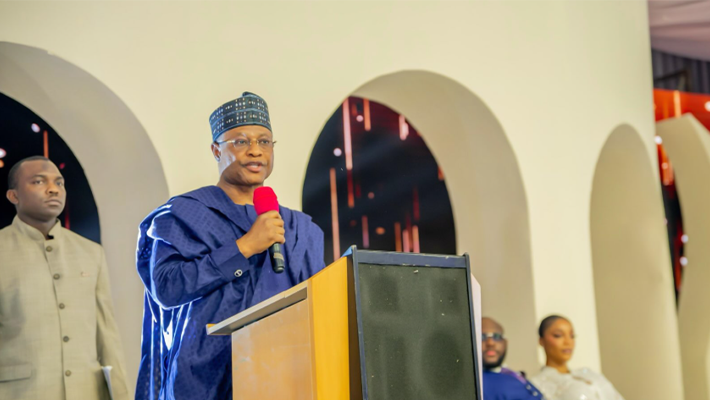
I’ve paid over N7 billion as compensation to property owners: Gov Sani
The governor commended the owners of the 865 affected households.
Heading 5
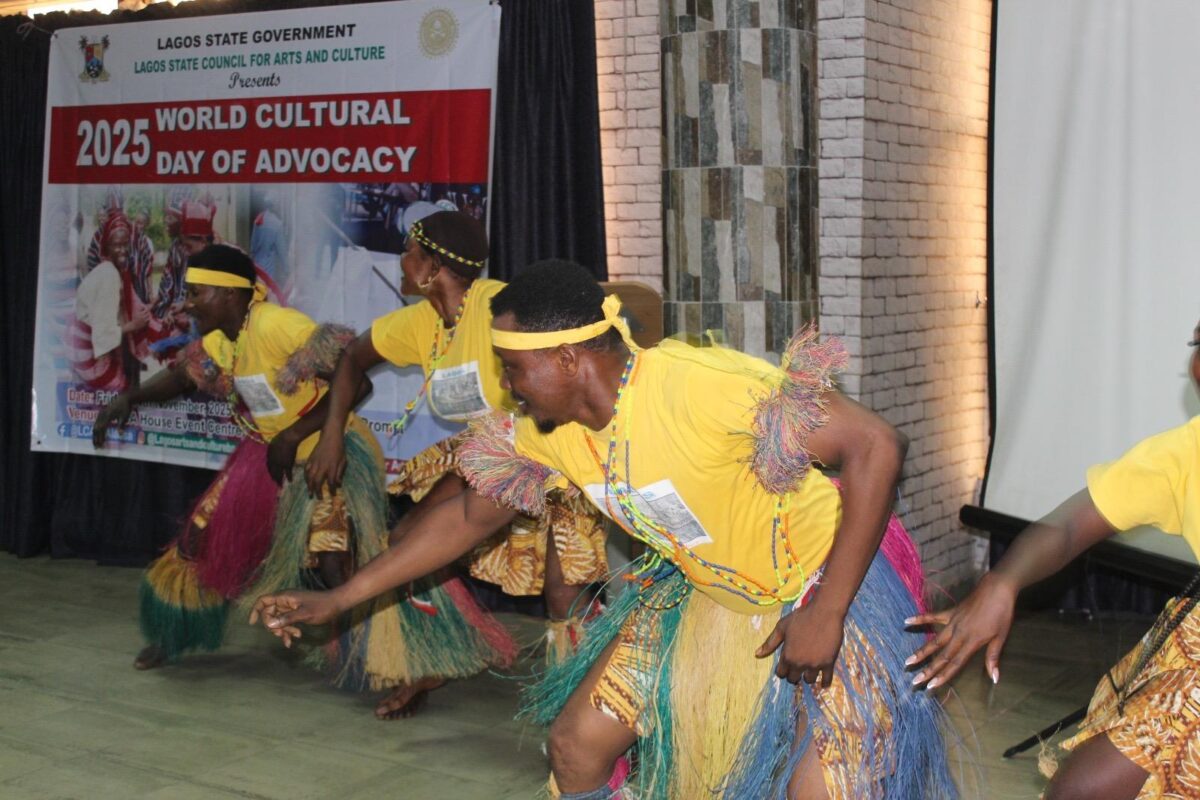
Lagos strengthens culture, youth engagement to boost creative economy
According to Mr Johnson, the government was encouraging young people to develop their creative skills.
States
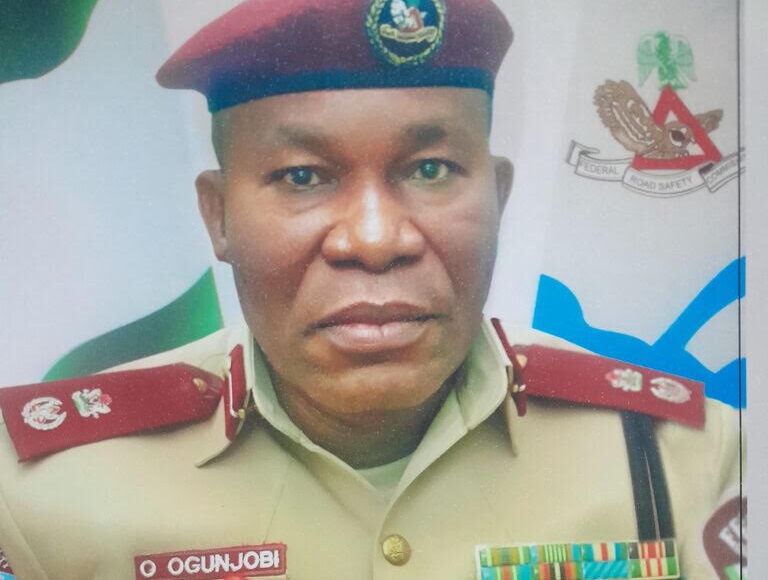
Ogun FRSC commander dies after brief illness
He described Mr Ogunjobi’s death as a great loss to the corps.
Showbiz
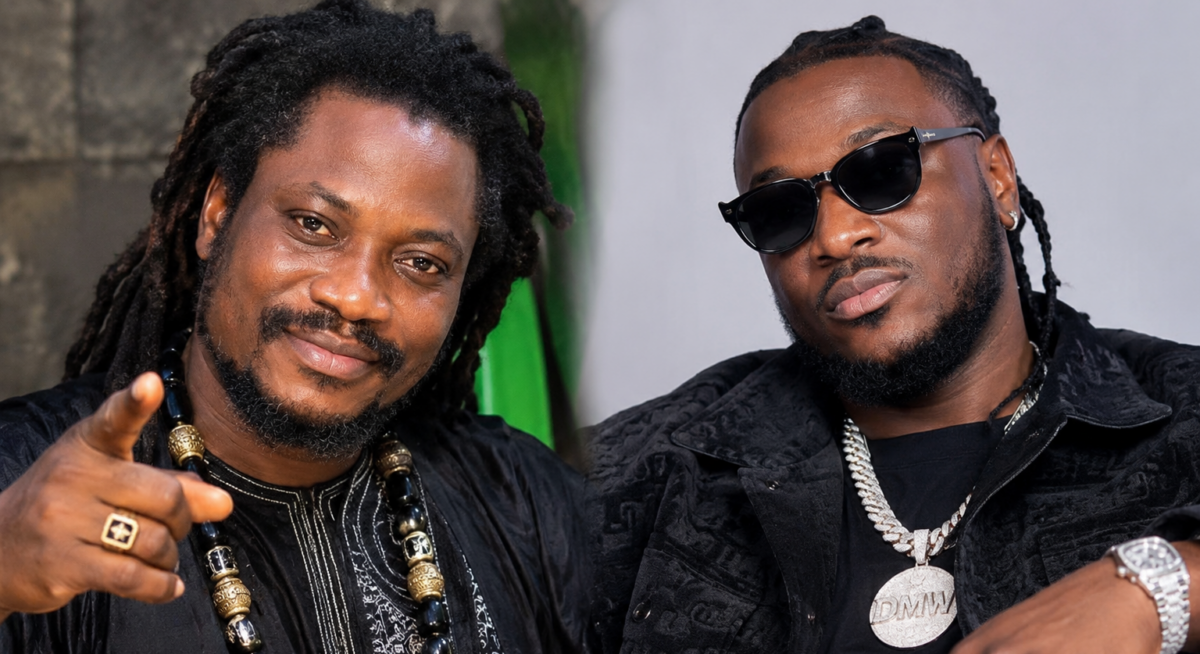
Daddy Showkey, Peruzzi, others thrill fans at Felabration
Felabration is an annual cultural festival featuring musical performances, debates, dance, art and fashion.
Heading 5
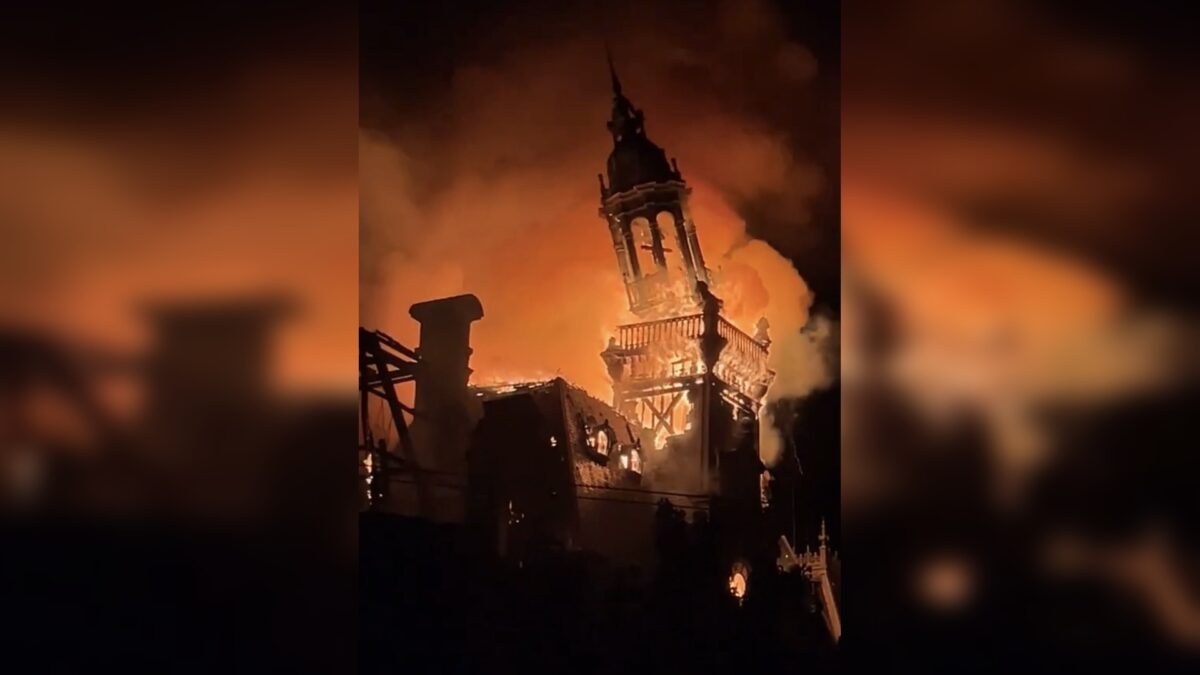
France’s historic Limoges City Hall razed amid protests
The building was inaugurated in 1883.
World
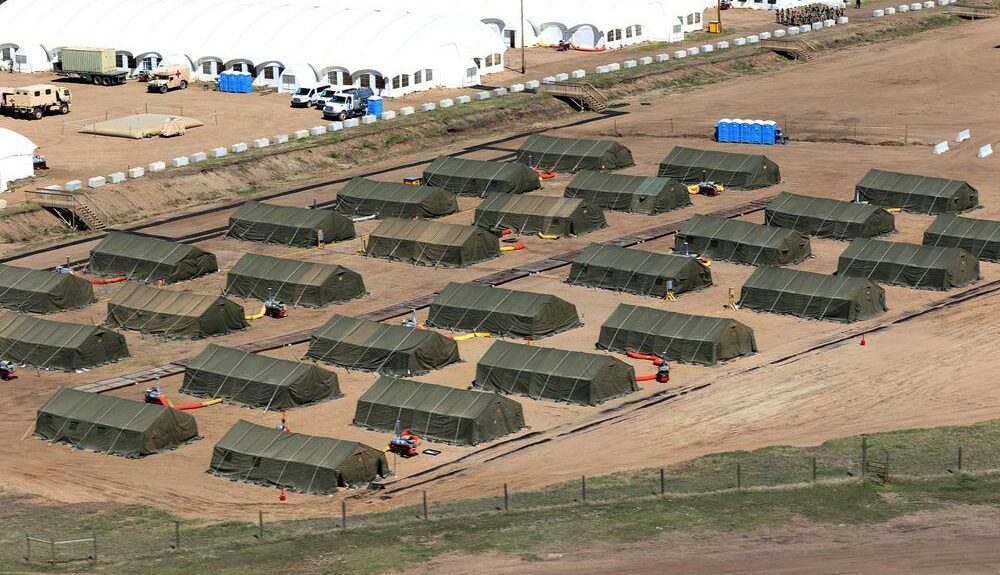
Several killed, others injured in explosion at Canadian military base
Mr McGuinty said the Canadian military was still investigating the incident.


