

Autonomous, accountable financing key to actualising Africa’s development agenda: Mo Ibrahim

Sudanese-British billionaire businessman and founder of the Mo Ibrahim Foundation, Mo Ibrahim, has stressed the importance of autonomous and accountable financing for Africa to actualise its 2063 development agenda.
In a forward to the report of the recently held Ibrahim Governance Weekend (IGW) published in July, Mr Ibrahim challenged African countries to take ownership of the continent’s path to development rather than lamenting the discontinuation of foreign aid.
“It is high time for us to take full ownership of our own development agenda, not just claim it: setting up its specific priorities, ensuring a more autonomous financing, and committing to accountability when it comes to implementation,” the businessman said.
He added, “Let us not waste time mourning the end of aid and hoping that international generosity might one day return. Let us rather see this current acceleration of history as a useful wake-up call and build solutions from within.”
Mr Ibrahim noted that the place of Africa in the new global economy should not be determined by the grace of international partners, urging countries to rethink financing development on the continent.
“The decline of aid should not be seen as some sort of cliff-edge moment for Africa. It was never going to be enough to finance African development— and our huge continent’s place in the new global economy should never be determined by the generosity of international partners. This is the opportunity to rethink how we finance development on our own continent,” he said.
The businessman condemned illicit financial flows on the continent, emphasising the urgent need for African countries to manage external debt, improve governance, and strengthen domestic tax systems.
He noted, “Drying up illicit financial flows that continue to drain out of the continent more than ODA received, managing an external debt which now represents an unacceptable level of a quote of the continent’s GDP, strengthening domestic tax systems, redirecting African sovereign and pension funds towards local and regional investment, and making better use of remittances.
“Here again, we need real improvement in our governance: rule of law, stability, and transparency are key to attracting investment. But we cannot make a plea to international investors while we channel our own capital elsewhere. African investors must also invest more in our own continent. The fact that only 14 per cent of FDI in Africa comes from African investors is not acceptable.”
Mr Ibrahim’s advice came months after U.S. President Donald Trump’s administration halted foreign aid, a decision that affected all financial support distributed by the United States Agency for International Development (USAID), generating widespread alarm worldwide.
Mr Trump’s decision, which hindered the commitment of African countries to healthcare, food assistance, and security, forced the Nigerian government to launch a committee to develop a transition and sustainability plan for USAID-funded health programmes.
South Africa’s Health Minister, Aaron Motsoaledi, also lamented the consequences of Mr Trump’s decision, adding that more than 15,000 healthcare personnel, including nurses, pharmacists, and directors, were remunerated through the aid.

We have recently deactivated our website's comment provider in favour of other channels of distribution and commentary. We encourage you to join the conversation on our stories via our Facebook, Twitter and other social media pages.

More from Peoples Gazette

States
Independence: NBA urges Nigerians to expect better future
The NBA said that ordinary Nigerians should be deriving benefit from the subsidy removal rather than hardship.

Agriculture
FG tasks ECOWAS on leveraging financing strategies for agroecology
The federal government has urged stakeholders in the agriculture and finance sectors in the West Africa region to leverage financing strategies to enhance agroecology practices

Politics
Katsina youths pledge to deliver over 2 million votes to Atiku
“Katsina State is Atiku’s political base because it is his second home.”

States
FOMWAN trains women on dangers of extremism, early detection
The chairperson said upbringing and environmental influences could contribute to extremist tendencies.
States
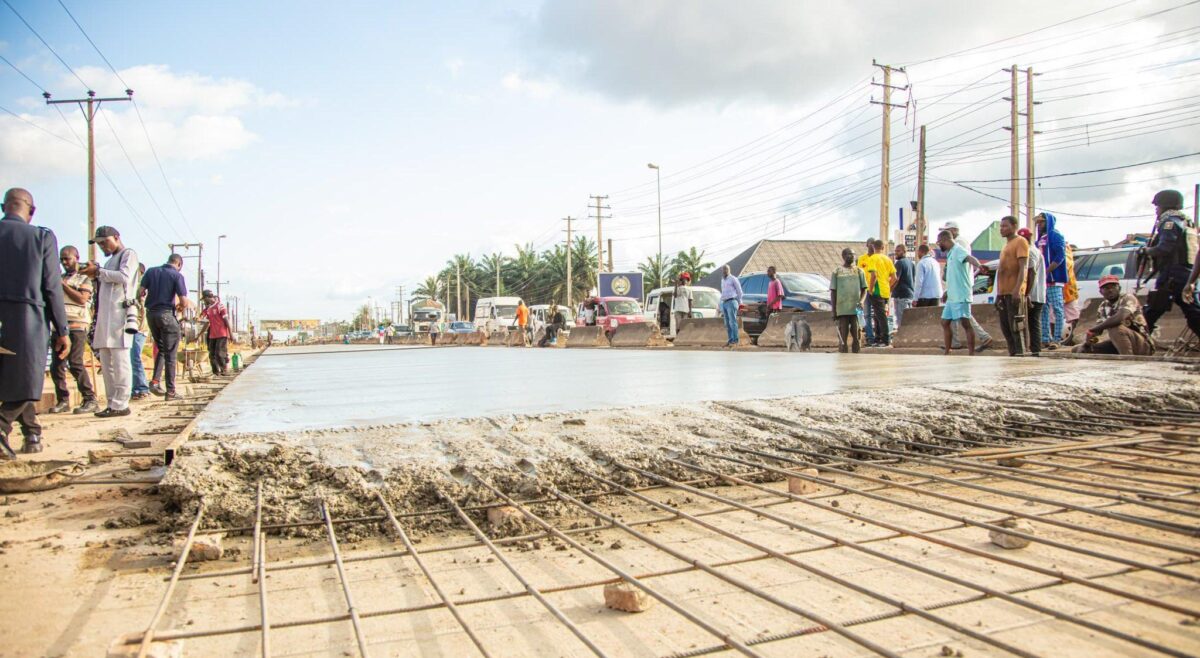
Benin-Sapele Road: Contractor’s return to site delights motorists, residents
Mr Danjuma said the construction team resumed work as soon as weather conditions improved.

States
Police arrest suspected thug in Kano
The police said the suspect had been placed on its wanted list after a series of complaints and intelligence reports linking him to crimes.

Heading 5
NDLEA, FRSC move to introduce drug tests for commercial drivers
Mr Marwa warned that drug use could impair drivers’ judgment.

World
U.S. Justice Department launches task force against AI abuse
Mr Stanley added that the U.S. comprehensive effort will promote innovation and prevent the misuse of superintelligence.

NationWide
U.S. Midterm Polls: APC should expect similar shift in 2027, says Accord Party
He said Nigerians were increasingly discontented with what he described as unpopular government policies.


