

Tinubu’s list, Gbaja-nisation and Nigeria’s politics

If President Bola Ahmed Tinubu hit the ground running, it was because problems chased him into office. Yet, it wasn’t long before he tripped on a matter in which his genius had been acknowledged: forming his cabinet.
One of his credentials for eight years as governor of Lagos, and even outside public office for 16 years, has been his gift for spotting talents and putting them to work.
He campaigned on this record in the last election. You can therefore imagine the disappointment in some circles when he not only waited 60 days, nearly exhausting the time allowed by law but then went on to release in two instalments, lists that have been widely criticised as an appeasement to the “old brigade.”
There are, of course, bright spots with a few professionals and proven hands. But a cabinet which features nine former governors, a number of who had lost elections or had been ministers before, gives the impression that Tinubu’s genius for talent hunting may have been captured by vested interests on the national stage. Has Abuja, the graveyard of good intentions, done its worst? Is Tinubu undone by pressure? Or are there forces in his inner circle taking advantage of the chaos to grab power?
Reality is more nuanced. We’ve been here before, over 20 years ago. Tinubu was not in charge at the centre then. He was governor in Lagos, a complex place to govern, no doubt, but far less so than the “beast” called the Federal Republic of Nigeria.
Former President Olusegun Obasanjo was also faced with choices similar to those that Tinubu wrestled with for 60 days. It’s easy to forget now, but Obasanjo’s choice of ministers in his first term, much like those of Shehu Shagari in 1979, gives an idea of what potentially confronts a new president, especially one that is a product of a fragile and fraught political transition.
In hindsight, Obasanjo is applauded for assembling perhaps what has, so far, been the best collection of ministers in the last nearly four decades.
But it was not so when he first got into office. For those who despise politicians intensely, sometimes with reasons, it might be useful to remember that Obasanjo’s first collection of ministers was a shambles of strange bedfellows. It was spiced with Second Republic politicians retrieved from the museums and former military governors and army generals who ran the country before the #Endsars generation was born.
I’m not kidding. Obasanjo’s first list of ministers contained such names as General David Jemibewon; General TY Danjuma; Tony Anenih; Col. Mohamed Bello Kaliel (retd); Adamu Ciroma; Iyorchia Ayu, Dapo Sarumi; Alabo Graham-Douglas; Bola Ige; Sunday Afolabi; Hassan Adamu; and Haliru Bello.
Even Ojo Maduekwe, one of the masterminds of Daniel Kanu’s two-million-man march who threatened to go into exile if General Sani Abacha did not run for office, also made Obasanjo’s ministerial list. It was that unwieldy.
If the team were a flight crew, not many would have been comfortable to fly. Obasanjo knew that but had his reasons for choosing them. The country was just transiting from decades of military rule. He needed politicians who understood the country and military politicians who could help him stabilise things and keep soldiers at bay while he launched shuttle diplomacy to rebuild the country’s battered image.
But trust Obasanjo, the old fox. Once he got his footing and at least part-paid his political IOUs, he shuffled his cabinet within months, followed by another shuffle in his second year, in which he weeded out a number of the worst performers.
By his second term in 2003, the cub in him had become a tiger drawing in some of the best talents but also making mincemeat of a good number, including his deputy, Atiku Abubakar. It’s a story triumphantly told in three volumes of Obasanjo’s book, My Watch.
It’s fair to feel disappointed by a few nominees in Tinubu’s lists who make the legend of Robin Hood look like child’s play. Some have also expressed concern about the role of the chief of staff, Femi Gbajabiamila, who has obviously set a new record as the country’s most expensive bespoke delivery service for political nominees’ list.
Not a few curious eyebrows were raised when LEADERSHIP reported exclusively, for example, that against the ethics of international courier service, and in the midst of the screening, the integrity of the nominee lists was nearly undermined by allegations of “package tampering!”
I was genuinely concerned that the controversial news reports from the office of the chief of staff could make Mike Oghiadomhe, former chief of staff to President Goodluck Jonathan, look like an amateur. I’m not sure any chief of staff since 1999 has assumed and executed with a comparable degree of passion the task of dispatching nominees’ lists the way Gbajabiamila has done so far.
Those who know him well, famously called Gbaja-philes in Villa-pedia, however, insist that his performance is out of the goodness of his heart, and so, I won’t let anyone put words into my mouth or ideas in my head about his sterling qualities.
Since the Chief of Staff has taken over the function of the senior special assistant (SSA) liaison to the National Assembly as his contribution to a leaner government, it is my humble submission that the positions of the two SSAs should be scrapped forthwith, at least to appease Labour.
It is concerning, however, that at a time when Tinubu needs a strong inner circle to get things done, reports of a civil war, with his chief of staff at the heart of it, continue to engulf his government. From the election of presiding and principal officers in the 10th National Assembly to the nomination of ministers and God-knows-what-else, the story has been one of near complete Gbaja-nisation!
Yet, Tinubu’s job is cut out for him. He cannot blame anyone for what becomes of his presidency. If choosing the right team helped him get a lot done when he was much younger and stronger, then he needs that gift even more desperately in the midst of the present chaos.
The tough but necessary decisions he has taken already mean that if he has his eye on legacy, never mind a second term, then there’s very little time to settle IOUs or indulge in internal strife.
That’s not all. It also means that while Tinubu would hardly get any credit if the suspects in his cabinet performed, he would be blamed squarely if they failed, and he alone would bear the brunt of the difference between expediency and necessity.
All said, when our obsession with Abuja has faded, perhaps in a week or two after the ministers have been assigned portfolios, we must quickly turn our attention to the states, a number of which offer the premium version of the atrocities we saw on the national stage in the last one week.
Ishiekwene is Editor-in-Chief of LEADERSHIP

We have recently deactivated our website's comment provider in favour of other channels of distribution and commentary. We encourage you to join the conversation on our stories via our Facebook, Twitter and other social media pages.

More from Peoples Gazette

States
Independence: NBA urges Nigerians to expect better future
The NBA said that ordinary Nigerians should be deriving benefit from the subsidy removal rather than hardship.

Agriculture
FG tasks ECOWAS on leveraging financing strategies for agroecology
The federal government has urged stakeholders in the agriculture and finance sectors in the West Africa region to leverage financing strategies to enhance agroecology practices

Politics
Katsina youths pledge to deliver over 2 million votes to Atiku
“Katsina State is Atiku’s political base because it is his second home.”
States
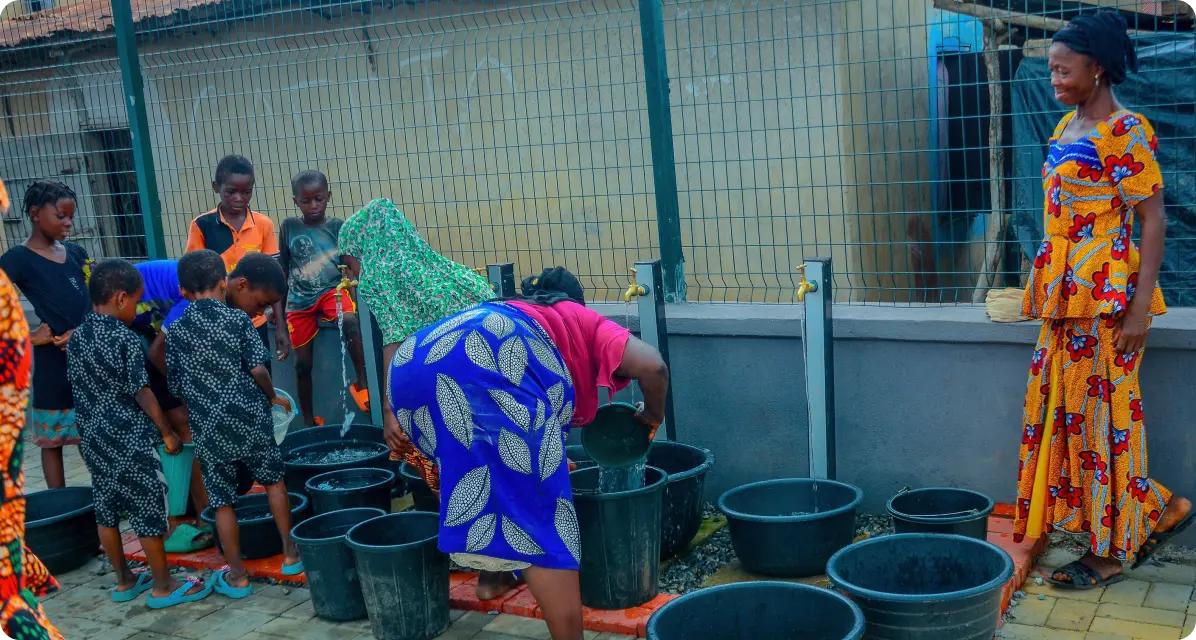
Lagos water network serves only 1.03% of 20 million residents: LWC
Mr Anifowoshe said the corporation had an installed water production capacity of about 210 million gallons per day (MGD).
Heading 5
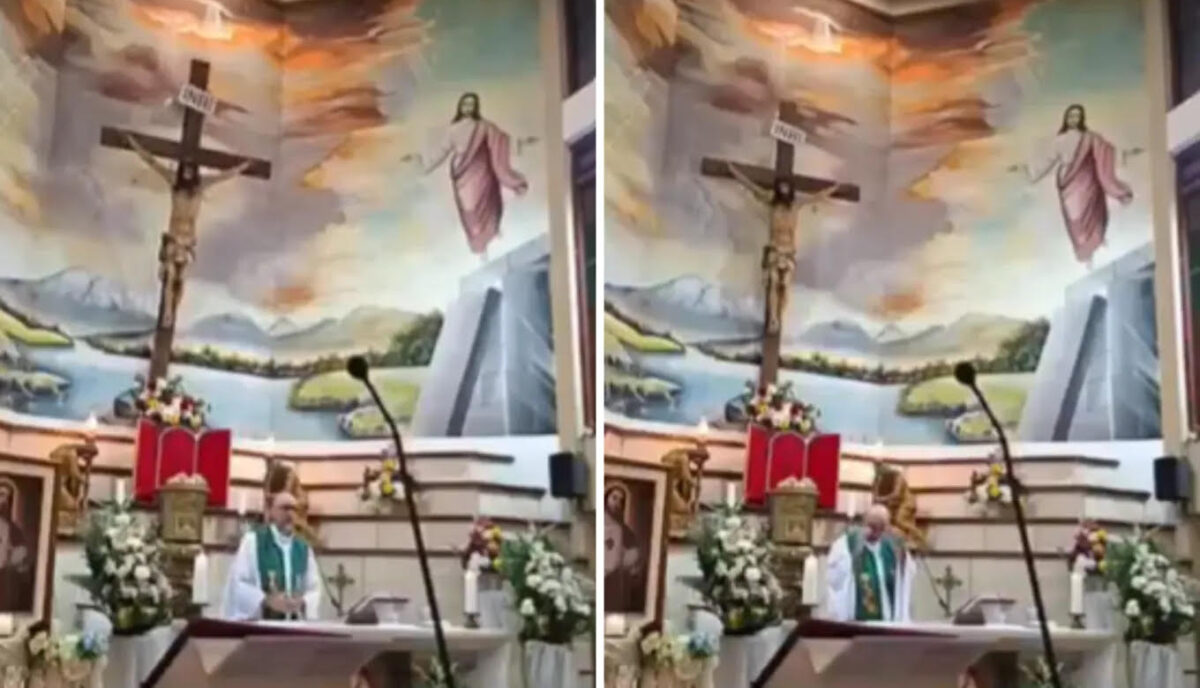
Catholic priest dies after Jesus’ statue falls on him during service
Mr Molinari was being live-streamed when the incident occurred on Saturday.
States
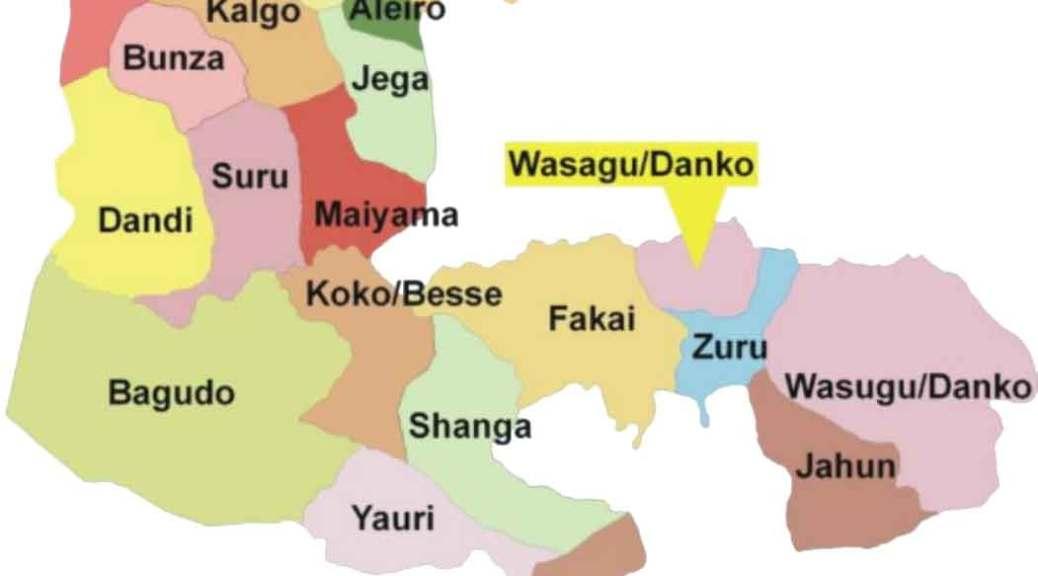
Kebbi governor’s aide empowers 400 residents in Zuru
Beneficiaries were given cash ranging from N10,000 to N20,000.
States
I’ve paid over N7 billion as compensation to property owners: Gov Sani
The governor commended the owners of the 865 affected households.
Heading 5
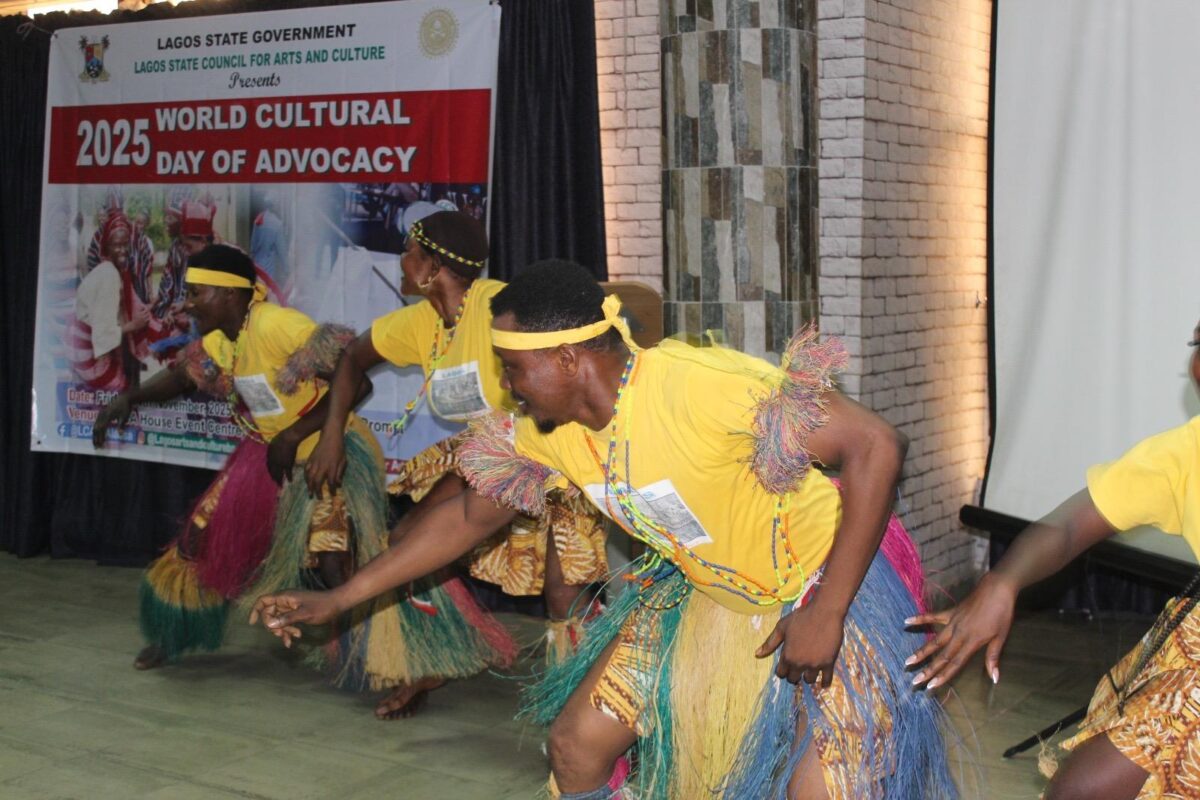
Lagos strengthens culture, youth engagement to boost creative economy
According to Mr Johnson, the government was encouraging young people to develop their creative skills.
States
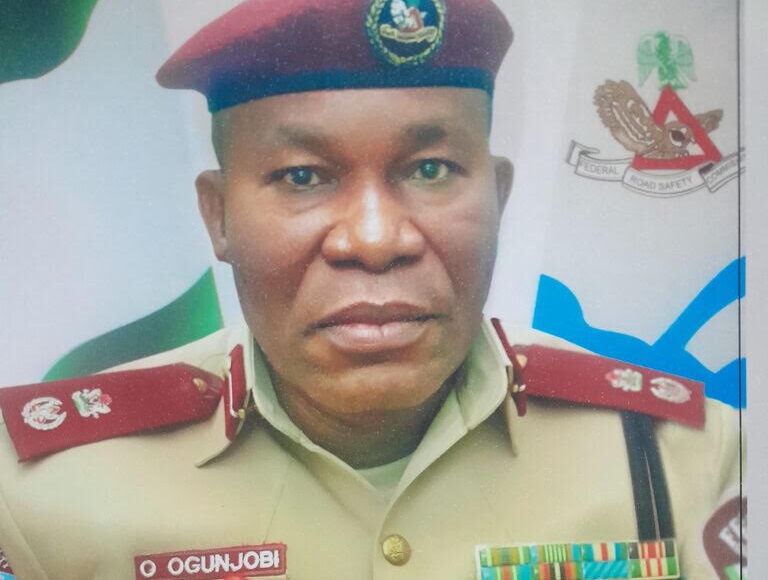
Ogun FRSC commander dies after brief illness
He described Mr Ogunjobi’s death as a great loss to the corps.


