

Bayelsa, Rivers communities drenched in crude from Shell’s leaky pipelines
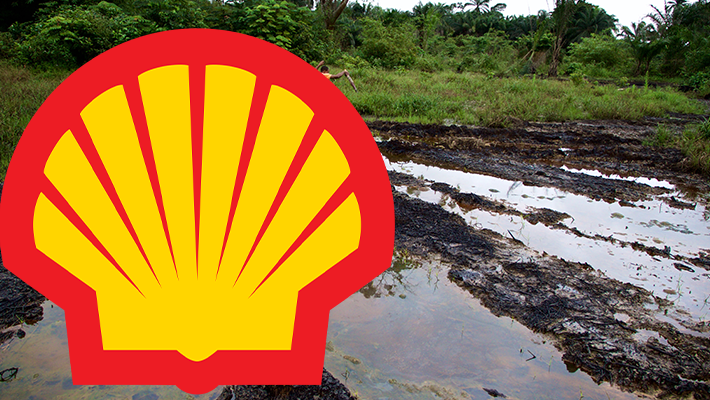
Communities along the 14-inch crude trunk line operated by Shell Petroleum Development Company (SPDC) in the Niger Delta region suffered spillage in April as 276 barrels of crude oil pervaded their soils and water in three incidents.
The 276 barrels of crude is the cumulative volume of spill from a section of the pipeline that transverses Bayelsa and Rivers communities during the period, NAN learnt on Monday.
Checks at the oil firm’s spill incident portal indicated that two of the spills were caused by sabotage while one was traced to equipment failure.
According to the Joint Investigation Visit (JIV) reports on the incidents obtained by NAN, the leak which occurred at Ikararama in Bayelsa on April 7, was traceable to equipment failure which caused a leakage of 110 barrels.
The Okordia-Rumekpe crude pipeline is part of the Trans Niger Pipeline (TNP) network crisscrossing SPDC’s onshore fields which conveys crude to the SPDC’s crude export terminal at Bonny in Rivers.
JIV is a statutory exercise to ascertain the cause of any recorded spill incident involving oil firms, regulators, host communities and state Ministries of Environment.
The leak incident on April 13 at Ihuowu in Rivers was attributed to sabotage by the JIV report causing a spill of 157 barrels of crude.
The report further showed that also on April 14 at Ukpeliede in Rivers, the same Okordia-Rumekpe trunk line was breached by vandals leaving a leak of nine barrels.
According to the SPDC’s spills records, oil spill response activities were ongoing at the spill sites while recovery of spilled crude would be completed in May.
Also, SPDC reported that it had concluded investigation in seven spill incidents from its operations across the Niger Delta with a total spilled volume of 435.01 barrels of crude.
Of the seven leak incidents, six were caused by sabotage while one was traced to equipment failure.
Mr Bamidele Odugbesan, Media Relations Manager, SPDC, declined comments on the integrity of the frequently breached 14-inch Okordia-Rumekpe pipeline.
(NAN)

We have recently deactivated our website's comment provider in favour of other channels of distribution and commentary. We encourage you to join the conversation on our stories via our Facebook, Twitter and other social media pages.

More from Peoples Gazette

States
Independence: NBA urges Nigerians to expect better future
The NBA said that ordinary Nigerians should be deriving benefit from the subsidy removal rather than hardship.

Agriculture
FG tasks ECOWAS on leveraging financing strategies for agroecology
The federal government has urged stakeholders in the agriculture and finance sectors in the West Africa region to leverage financing strategies to enhance agroecology practices

Politics
Katsina youths pledge to deliver over 2 million votes to Atiku
“Katsina State is Atiku’s political base because it is his second home.”
Heading 2
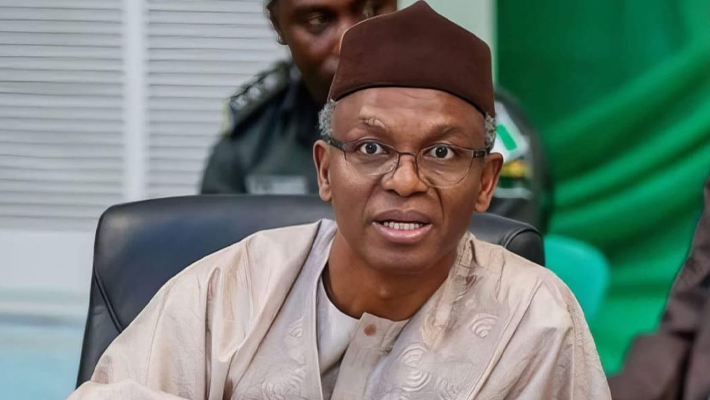
Court overrules El-Rufai’s objection to DSS forensic witness
Mr El-Rufai arrived at court amid heavy security, accompanied by his wife and Isa Kudan, the ADC governorship candidate in Kaduna State.
World
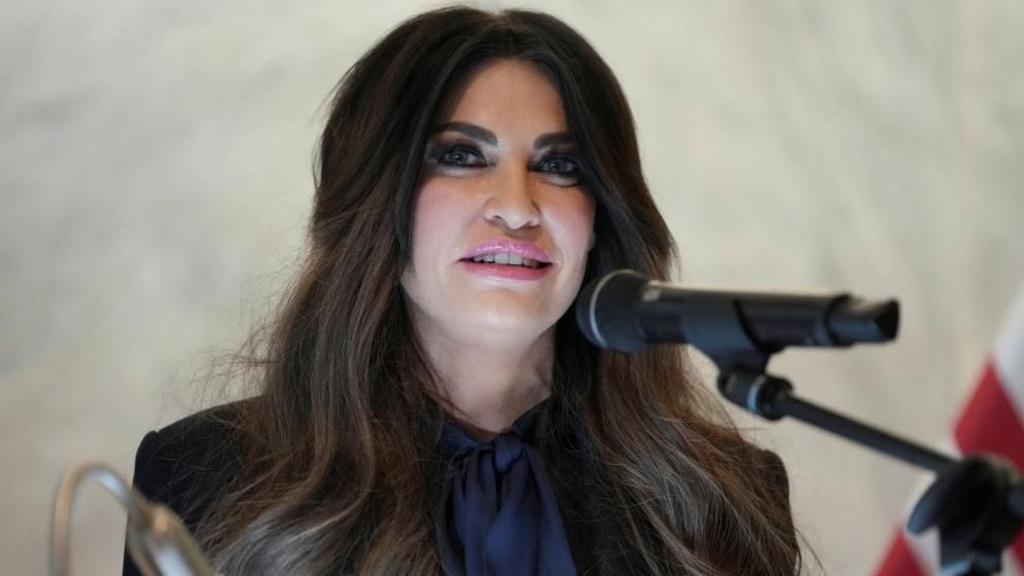
Trump fires U.S. ambassador Kimberly Guilfoyle after allegations she demanded money from donor
Mr Trump had said he was considering firing Ms Guilfoyle amid allegations that she demanded $100,000 from a political donor
States
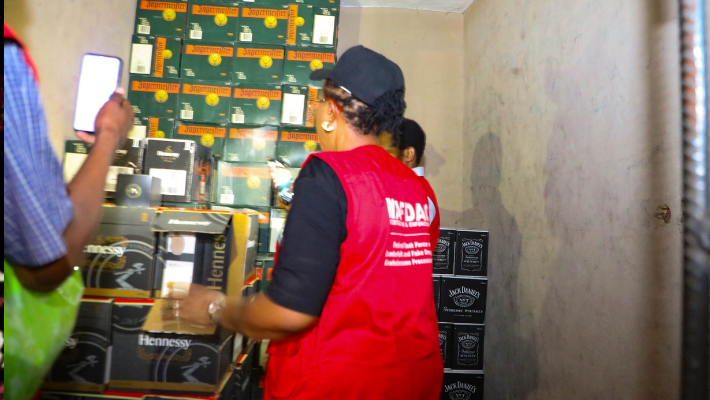
NAFDAC nabs two suspects over counterfeit alcoholic beverages in Lagos
NAFDAC said the suspects also revalidated expired and unsafe beverages for resale and stockpiled banned imported products.
States
Troops arrest suspected arms racketeers in Anambra
The army added that the suspects are currently in the custody of the 302 Artillery Regiment for further investigation.

World
Pope Leo XIV diagnosed with lung cancer after surgery: Vatican
The Vatican on Tuesday said Pope Leo XIV’s surgery to remove a nodule from his lungs confirms he has cancer.
Hot news Home top
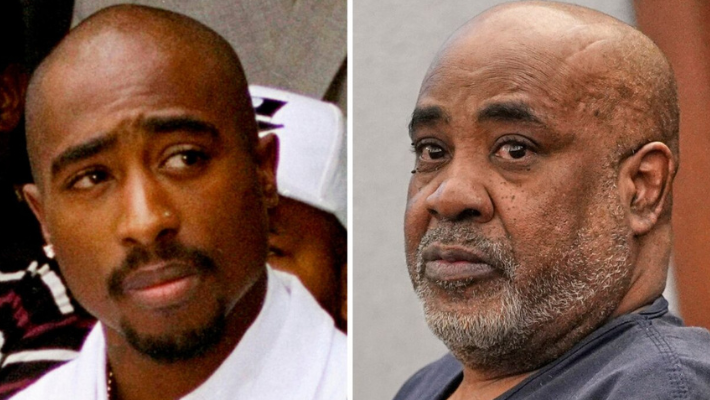
63-year-old Duane ‘Keffe D’ Davis sentenced to 40 years for murder of Tupac
Shakur was killed in a drive-by shooting in Las Vegas while he visited the city to see a Mike Tyson boxing bout.


