

Buhari’s oil reform bill scraps PPPRA, but keeps state control of NNPC
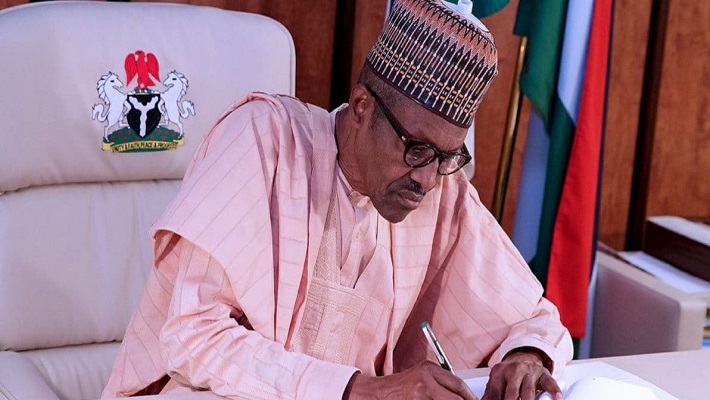
President Muhammadu Buhari has presented a new Petroleum Industry Bill (PIB) to the National Assembly. This bill proposes the incorporation of a new NNPC as a limited liability company, but this new company will still be wholly controlled by the government.
The PIB states the new NNPC will be established within six months after this bill becomes law. The petroleum minister Buhari and the finance minister Zainab Ahmed will determine which assets and liabilities of the old NNPC will be transferred to the new one, and the old one will be scrapped after this transfer is complete.
The bill stipulates, “Ownership of all shares in NNPC Limited shall be vested in the government at incorporation and held by the Ministry of Finance incorporated on behalf of the government.”
The current NNPC is a parastatal established by an act of parliament made specifically for it, while the proposed one will be a limited liability company governed by the companies and allied matters act.
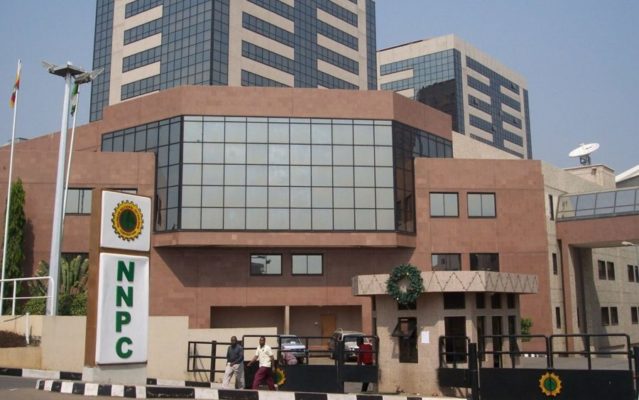
The Petroleum Products Pricing Regulatory Agency (PPPRA) will also be replaced with two new regulators.
The Nigerian Upstream Regulatory Commission will regulate upstream petroleum activities while the Nigerian Midstream and Downstream Petroleum Regulatory Authority will regulate the midstream and downstream parts of the industry.
There have long been calls for NNPC to be privatised to rid the firm of government corruption and inefficiency. In September, all four NNPC refineries were inoperative and the government was shopping for an investor to revive them. NNPC spent more than N462 billion on petrol subsidies in 2019 without appropriation or accountability, leaving wide gaps for corruption.
In 2018, the National Assembly passed a Petroleum Industry Governance Bill after 17 years of trying. The bill required the government to partly privatise NNPC and list it on the Nigerian Stock Exchange. Mr. Buhari did not sign it into law.
Reuters reported at the time that the president did not sign the bill because his administration believed it would reduce the powers of the president and the oil minister, currently also Mr. Buhari, to award contracts and dispense other political patronage.
Buhari’s ex-minister Emmanuel Kachikwu’s ‘Seven Big Wins’ reform plan also included a proposal to privatise the state firm, but Mr. Buhari did not substantially implement the reform plan and dropped Mr. Kachikwu as minister after he won a second term in 2019.
The National Assembly will likely sign the current PIB version given the president’s allies lead parliament and his party is firmly in control there.

We have recently deactivated our website's comment provider in favour of other channels of distribution and commentary. We encourage you to join the conversation on our stories via our Facebook, Twitter and other social media pages.

More from Peoples Gazette

States
Independence: NBA urges Nigerians to expect better future
The NBA said that ordinary Nigerians should be deriving benefit from the subsidy removal rather than hardship.

Agriculture
FG tasks ECOWAS on leveraging financing strategies for agroecology
The federal government has urged stakeholders in the agriculture and finance sectors in the West Africa region to leverage financing strategies to enhance agroecology practices

Politics
Katsina youths pledge to deliver over 2 million votes to Atiku
“Katsina State is Atiku’s political base because it is his second home.”

Economy
Lagos E-Commerce Crackdown: Sanwo-Olu targets deceptive online vendors, online fraud
The Lagos government has announced an initiative to protect customers from vendors delivering items that differ from what they ordered, whether online or offline.

Sport
Ballon d’Or: Spain’s Luis de la Fuente wins ‘Men’s Coach of the Year’
Spain manager Luis de la Fuente won the ‘Men’s Coach of the Year’ award on Monday at the 2026 Ballon d’Or ceremony at the London Palladium, England.

Heading 4
Microsoft moves to lay off 60,000 employees to cut costs
Microsoft says it is offering buyouts to about 60,000 of its global workforce to cut costs and free up resources to fund its AI investments.

Health
Nigerians demand immediate return of N10 billion Ebola fund from Gbajabiamila
Nigerians are asking Femi Gbajabiamila, the chief of staff to President Bola Tinubu, to account for the ₦10 billion the administration approved for the Ebola emergency response.
Politics
Oyebanji asks Ekiti assembly to approve three commissioners, 10 advisers
Governor Biodun Oyebanji has sought the Ekiti State House of Assembly’s approval to reappoint three commissioners and appoint 10 special advisers.
World
Mother stranded after daughter evicts her from inherited home
The transfer left the mother vulnerable, as the daughter became the sole registered owner of the property.


