

Bulgarian prime minister resigns amid mass protests over govt’s economic policy
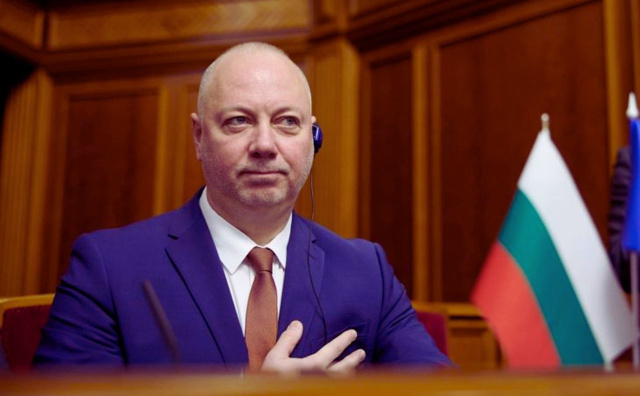
In the wake of large-scale protests over economic policy across Bulgaria, the country’s Prime Minister Rosen Zhelyazkov formally submitted his government’s resignation on Thursday.
The National Assembly’s registry confirmed the development.
Earlier in the day, Mr Zhelyazkov announced his resignation minutes before lawmakers voted on a sixth no-confidence motion against his government.
Nevertheless, the motion, brought forward by opposition parties over what they described as failures in economic policy, secured only 106 votes in the 240-seat parliament, well short of the majority needed for passage.
The ruling coalition didn’t vote.
“Our desire is to rise to the level of what society expects. At this moment, as the constitution dictates, power stems from the sovereign and the voice of the people.
“We hear the voice of the citizens protesting against the government,” Mr Zhelyazkov said.
Earlier on Wednesday, tens of thousands of people protested across Bulgaria, opposing the government’s economic policy.
Similar rallies have been ongoing for weeks, with particular anger over the 2026 draft budget, which has been withdrawn.
Martin Dimitrov, a member of the PP-DB parliamentary group, said during a plenary debate on Wednesday that the government has reached a negative record regarding debts incurred—an average of 52 million leva ($30.93 million) per day in 2025 and 53.5 million leva per day in average debts in 2026.
“These are your budgets. A unique negative record, unseen in the recent history of Bulgaria,” Mr Dimitrov said.
However, Minister of Finance Temenuzhka Petkova responded that there was nothing superfluous about the 2026 budget.
“I wish every government to achieve and do for Bulgaria in the first 11 months of its term what we have managed to do with our modest efforts so far,” she said.
Mr Zhelyazkov’s government will continue to act until the election or appointment of a new council of ministers.
His government was sworn in on January 16 after snap elections in October 2024, the seventh parliamentary election in Bulgaria in three and a half years.
(Xinhua/NAN)

We have recently deactivated our website's comment provider in favour of other channels of distribution and commentary. We encourage you to join the conversation on our stories via our Facebook, Twitter and other social media pages.

More from Peoples Gazette

Agriculture
FG tasks ECOWAS on leveraging financing strategies for agroecology
The federal government has urged stakeholders in the agriculture and finance sectors in the West Africa region to leverage financing strategies to enhance agroecology practices

Politics
Katsina youths pledge to deliver over 2 million votes to Atiku
“Katsina State is Atiku’s political base because it is his second home.”
Anti-Corruption
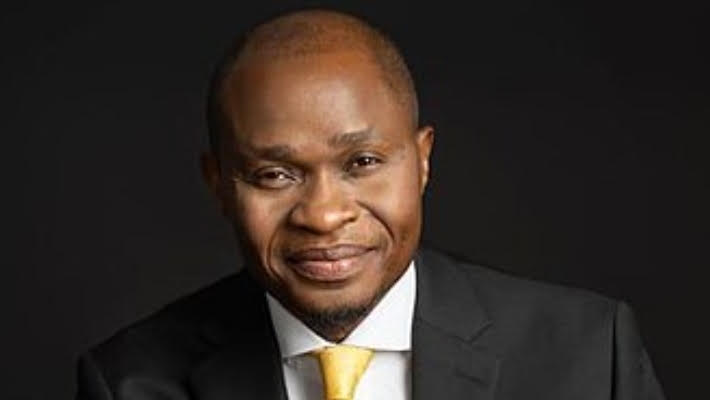
Nigerian ‘Black Mentor’ Joseph Nantomah who bought fake doctorate, yacht with investors, church members’ money jailed in U.S.
Mr Nantomah spent victims’ money cultivating his false online persona, buying an honorary doctorate for himself and his wife, and paying celebrities to attend his conferences.
Heading 1
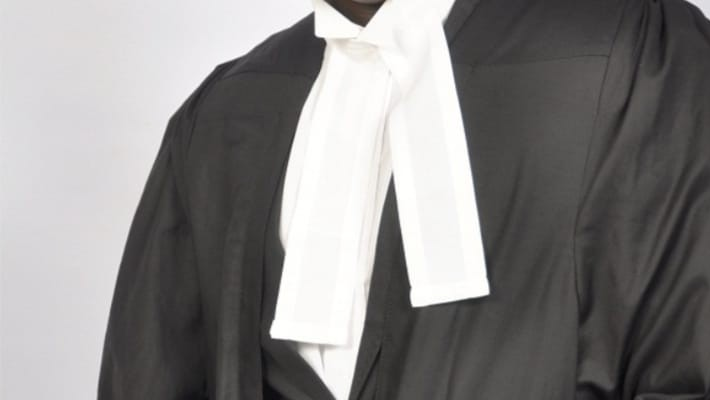
Lincoln’s Inn barrister Chukwuma Emele disbarred in UK over Credo Law Office scandal
Mr Emele, who was called to the Bar in 2010, was disbarred for professional misconduct, including dishonesty and fraudulently diverting clients’ funds for personal use.
Abuja
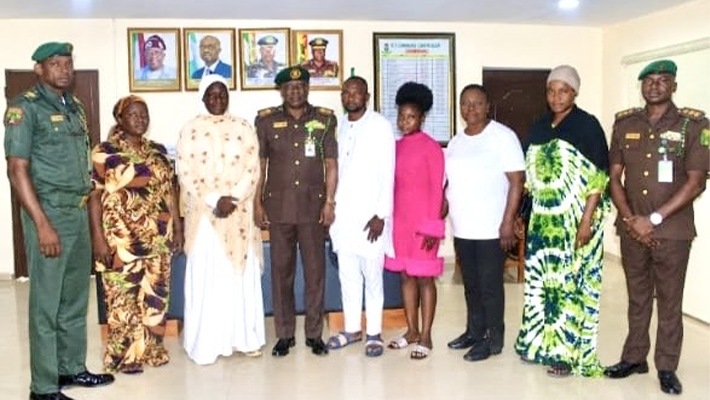
Rehabilitated female ex-inmates reject stigma, seek support
Ex-inmates of the Medium Security Custodial Centre, Suleja, have sought support for rehabilitated ex-convicts.
Africa
Nigeria’s North-West stability crucial to West Africa, Sahel, says UN
UN deputy secretary-general Amina Mohammed says restoring peace in Nigeria’s North-West geopolitical zone has implications far beyond Nigeria.
Africa
Nigeria advises African leaders to stop exporting continent’s mineral wealth
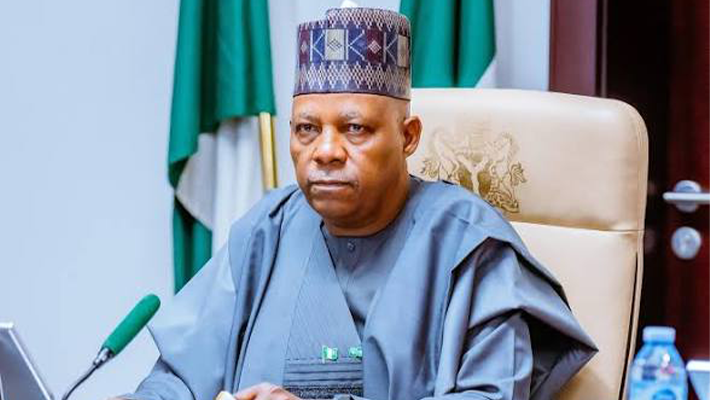
Vice-President Kashim Shettima has urged African countries to stop exporting Africa’s mineral wealth and turn it into jobs and industrial growth.
States
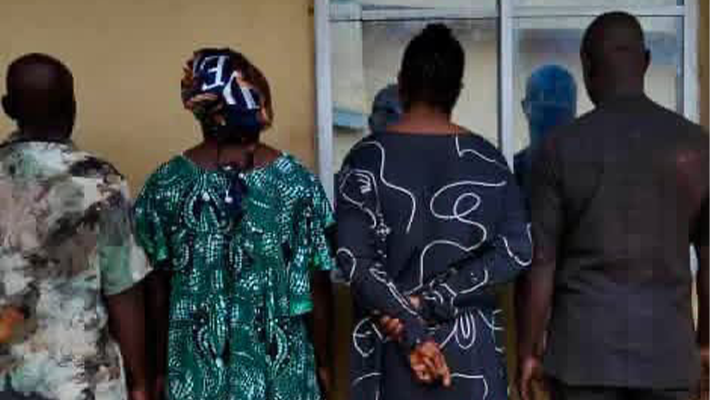
Police nab four suspects for alleged child trafficking in Abia
Ms Chinaka said the suspects allegedly conspired to steal a four-day-old baby from her mentally unstable mother.


