

Cardiologist raises concern over sudden deaths, urges heart checks
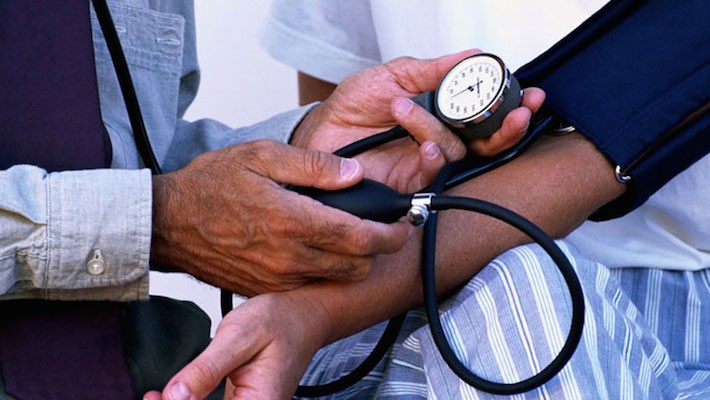
The Head of Cardiology at the National Hospital, Abuja, Oladipupo Fasan, has raised concern over sudden deaths associated with cardiovascular diseases.
He urged Nigerians to identify and manage risk factors through regular medical checks.
Mr Fasan, who spoke during an interview on Tuesday in Abuja, said cardiovascular diseases were among the major medical conditions that could cause people to collapse and die suddenly.
The World Health Organisation (WHO) says cardiovascular diseases claimed an estimated 19.8 million lives globally in 2022, accounting for about 32 per cent of all deaths worldwide.
The global health agency said heart attacks and strokes accounted for 85 per cent of cardiovascular disease deaths, while more than 75 per cent occurred in low- and middle-income countries.
In Nigeria, WHO’s 2025 Global Report on Hypertension estimated that about 22 million adults aged 30 years to 79 years were living with hypertension in 2024, representing approximately 32 per cent of the population in that age group.
Mr Fasan identified stroke, heart attack, heart failure and diseases affecting blood vessels as possible causes of sudden death, noting that hypertension, diabetes and high cholesterol increased the risk of cardiovascular complications.
“Sudden death is a general term. There are many things that can cause sudden death.
“When we talk about sudden death from the perspective of a physician, we are looking at medical conditions that can make the heart suddenly stop or the person die suddenly.
“Of those conditions, the majority fall into what we call cardiovascular diseases,” he said.
Mr Fasan said cardiovascular diseases were becoming an increasing concern in Nigeria, where unhealthy diets, physical inactivity, obesity and other risk factors were prevalent.
“We are in a transition from the era of communicable diseases, where we dealt with things like pneumonia, malaria and typhoid, to the era of non-communicable diseases, cancers and cardiovascular diseases.
“Now, of those ones, cardiovascular disease is top, and in Nigeria, it is on the rise,” he said.
The cardiologist said hypertension was particularly concerning, adding that diabetes and high cholesterol also contributed to cardiovascular risks.
“Roughly, four out of every 10 Nigerians is hypertensive. Like diabetes, like high cholesterol, these are risk factors for cardiovascular disease,” he said.
Mr Fasan attributed the growing cardiovascular risk to lifestyle changes, including reduced physical activity and unhealthy eating habits.
He, however, cautioned Nigerians against assuming that exercise was automatically safe for everyone, advising people to undergo medical checks before starting an exercise programme, particularly one involving strenuous activities.
“Exercise is good, but it has to be prescribed. Someone who wants to embark on an exercise schedule should see a doctor, get a prescription and follow it. Get checked,” he said.
Mr Fasan explained that some people could have underlying heart conditions from birth without knowing it, making vigorous exercise potentially dangerous.
“There are congenital problems, for instance, hypertrophic cardiomyopathy and some channelopathies, that people are born with and do not know about.
“When they exercise vigorously, they can just fall. Their heart can stop working properly, or they can develop an irregular heartbeat and slump,” he said.
He added that people with uncontrolled hypertension could experience a dangerous rise in blood pressure during exercise, while those with diabetes could experience dangerously high or low blood sugar levels.
The cardiologist said people who were already accustomed to exercising did not necessarily have to stop, but beginners should start with low- to moderate-intensity activities and increase the intensity gradually as their fitness improved.
“Exercise is fantastic for good health. It helps you to lower your weight, improves blood flow, helps to reduce the risk of dementia, brings blood pressure down and helps to reduce cholesterol and blood sugar,” he said.
Mr Fasan said aerobic activities could be combined with resistance exercises, including weight training, for broader health benefits.
On low blood pressure, he explained that a low reading alone did not necessarily mean a person had a medical condition requiring treatment.
“Low blood pressure is not an entity we bother about simply because the blood pressure is low. It is defined not just by the blood pressure being low but by the haemodynamic changes in the individual,” he said.
He explained that some otherwise healthy people naturally had relatively low blood pressure without experiencing any adverse effects.
“There are people whose natural, normal blood pressure is lowish, not hypotensive, and who live very well.
“They have had babies and done everything they like. The blood pressure may be 80 over 50 or 90 over 50. That is their blood pressure. It does not mean they are hypotensive,” he said.
Mr Fasan, however, said low blood pressure could signal a serious problem when associated with an underlying illness, including a heart attack that impaired the heart’s pumping ability or severe fluid loss caused by repeated vomiting and diarrhoea.
“If somebody suddenly has a heart attack and the heart is not pumping well, the blood pressure will drop. That is trouble; that is hypotension.
“If somebody vomits and has diarrhoea several times without being resuscitated, they lose a lot of blood volume.
“The blood pressure will drop; they might become hypotensive and could even go into shock,” he said.
He emphasised that low blood pressure should therefore be assessed in the context of the person’s overall clinical condition rather than judged solely by the numerical reading.
(NAN)

We have recently deactivated our website's comment provider in favour of other channels of distribution and commentary. We encourage you to join the conversation on our stories via our Facebook, Twitter and other social media pages.

More from Peoples Gazette

States
Independence: NBA urges Nigerians to expect better future
The NBA said that ordinary Nigerians should be deriving benefit from the subsidy removal rather than hardship.

Agriculture
FG tasks ECOWAS on leveraging financing strategies for agroecology
The federal government has urged stakeholders in the agriculture and finance sectors in the West Africa region to leverage financing strategies to enhance agroecology practices

Politics
Katsina youths pledge to deliver over 2 million votes to Atiku
“Katsina State is Atiku’s political base because it is his second home.”
NationWide
Information minister advises leaders to rebuild public trust
Mr Masari urged participants to produce practical recommendations on improving government responsiveness and citizen participation.
Heading 5
Timi Frank alleges plot to assassinate Atiku
Mr Frank stated, “The world mustn’t wait for a tragedy before it acts.”
World
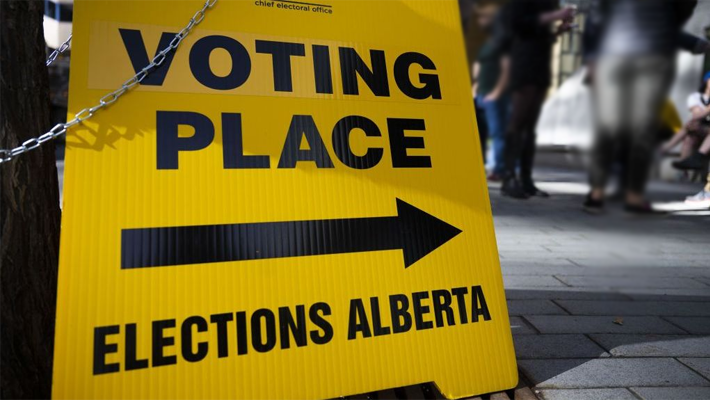
Referendum: Initial results show Alberta wants to remain in Canada
Mr Carney said, “Canada is so much greater than the sum of its parts.”

NationWide
Jonathan, Ganduje, Okowa urge responsible leadership
Mr Jonathan urged the forum to mentor young Nigerians on integrity, discipline, tolerance and accountability.
Heading 3
Security agents must invite Timi Frank to prove reckless allegation Tinubu govt plotting to assassinate Atiku: APC
Mr Frank’s claim is typical opposition rabble-rousing meant to heat the polity.
NationWide
Cardiologist raises concern over sudden deaths, urges heart checks
Mr Fasan said cardiovascular diseases were becoming an increasing concern in Nigeria.


