

Cash-strapped Congolese consider rising inequalities, poverty ahead of election

Five years after graduating with a diploma in computer network maintenance, Georges Bamue, 27, still navigates the streets of the Democratic Republic of Congo’s capital as a motorcycle taxi rider, unable to find a job or raise enough to start a business in his trained field.
On a good day, he makes around $30, but with Congo’s rampant inflation, the depreciation of the local currency, and multiple demands on his meagre income, he struggles to make ends meet by paying rent and making sure his family does not go hungry.
Mr Bamue, like millions of Congolese who will head to the polls on December 20, has seen little improvement in living conditions despite Congo’s vast wealth of critical minerals and promises made by President Felix Tshisekedi when he came to power in 2019.
“When I obtained my diploma, I was confident that the chapter with the motorcycle was over,” he said, adding he started riding part-time as a student. I looked for a job, but unfortunately, I couldn’t find one. That’s how the idea of keeping the motorcycle stuck with me to ensure I don’t go hungry,” Mr Bamue said.
Economic growth in the world’s top supplier of battery-grade cobalt and the third largest copper producer, boosted by its mining sector, reached over 8.5 per cent in 2022, among the fastest in sub-Saharan Africa.
But little of that has trickled down, with 62 per cent of nearly 100 million Congolese living on less than a dollar a day and over 26 million dependent on humanitarian aid.
The cost of living has soared in the country that relies heavily on imports of food staples, which were made more expensive by the depreciation of the Congolese franc, with annual inflation running at over 30 per cent in December, according to the country’s statistics institute.
“It is a mixed picture,” said Jolino Malukisa, Congolese economist and associate researcher at the University of Antwerp in Belgium.
Mr Malukisa said although there have been some positive developments under Tshisekedi, such as accelerating growth and expanding the national budget, little of that has had a broader impact.
“We talk about growth but it’s not inclusive growth,” he said. “It benefits the elites and there are only crumbs for the poor citizens.”
Mr Malukisa said Congo’s three-fold budget increase under Tshisekedi has seen an explosion in institutional spending, with the creation of new budget-intensive institutions and lavish salaries for members of parliament, senators, and other top political appointees.
In a report in September, the Congolese civil society organisation, the Observatory for Public Spending, said the budget overruns were recorded in 22 ministries and seven state institutions in 2022, including the presidency, where the budget execution rate exceeded 190 per cent.
A civil servant earns an equivalent of around $100, while a member of parliament can earn up to $18,000 per month, including benefits. Meanwhile, the unemployment rate is 80 per cent, while most Congolese remain dependent on the informal economy, Mr Malukisa said.
“What Tshisekedi could have done was to relaunch national production by creating national industries, but his policies failed to reassure foreign investors,” Mr Malukisa said.
Mr Tshisekedi blamed some of the Congo’s economic woes, including inflation, on external factors such as the COVID-19 pandemic, the war in Ukraine, repeated Ebola outbreaks, and the persistent security crisis in the east of the country.
He has touted a free basic education programme launched in 2019 and plans to introduce universal health care as steps towards improving livelihoods.
On the campaign trail, Tshisekedi has promised to diversify Congo’s economy, invest in agriculture, curb exports of raw minerals, and increase local processing to create more jobs if re-elected.
His main opposition challenger, millionaire businessman Moise Katumbi, has said he will improve Congo’s business environment to attract investors.
While there were no pre-election polls, some analysts say Tshisekedi has the incumbent’s advantage, facing a crowded opposition field of over two dozen candidates in a single-round election that requires a simple majority of the vote to win.
Bamue said he voted in 2018 hoping for a change and had been toying with the idea of sitting out the December 20 election.
“I will do it (vote) to give it another chance and hope that the next president can bring about change,” he said.
(Reuters/NAN)

We have recently deactivated our website's comment provider in favour of other channels of distribution and commentary. We encourage you to join the conversation on our stories via our Facebook, Twitter and other social media pages.

More from Peoples Gazette

States
Independence: NBA urges Nigerians to expect better future
The NBA said that ordinary Nigerians should be deriving benefit from the subsidy removal rather than hardship.

Agriculture
FG tasks ECOWAS on leveraging financing strategies for agroecology
The federal government has urged stakeholders in the agriculture and finance sectors in the West Africa region to leverage financing strategies to enhance agroecology practices

Politics
Katsina youths pledge to deliver over 2 million votes to Atiku
“Katsina State is Atiku’s political base because it is his second home.”
Faith
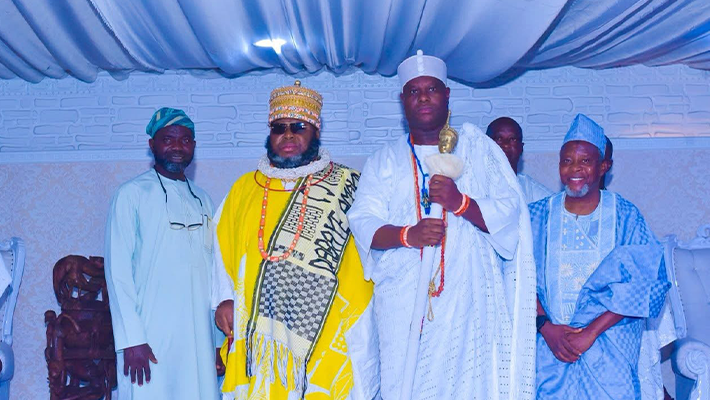
Asari Dokubo visits Ooni, invites monarch to his December coronation in Rivers
The monarch appreciated Mr Dokubo for the visit.

Hot news Home top
Tinubu’s panic ahead of 2027 can’t erase APC terrible record: ADC
The council said, “Bola made life expensive; Atiku will make Nigeria affordable again!”

World
Turkey cautions against renewed attack on Iran, seeks dialogue
Mr Fidan said, “We are all in agreement that a new attack on Iran would expand the war in the region.
Heading 2
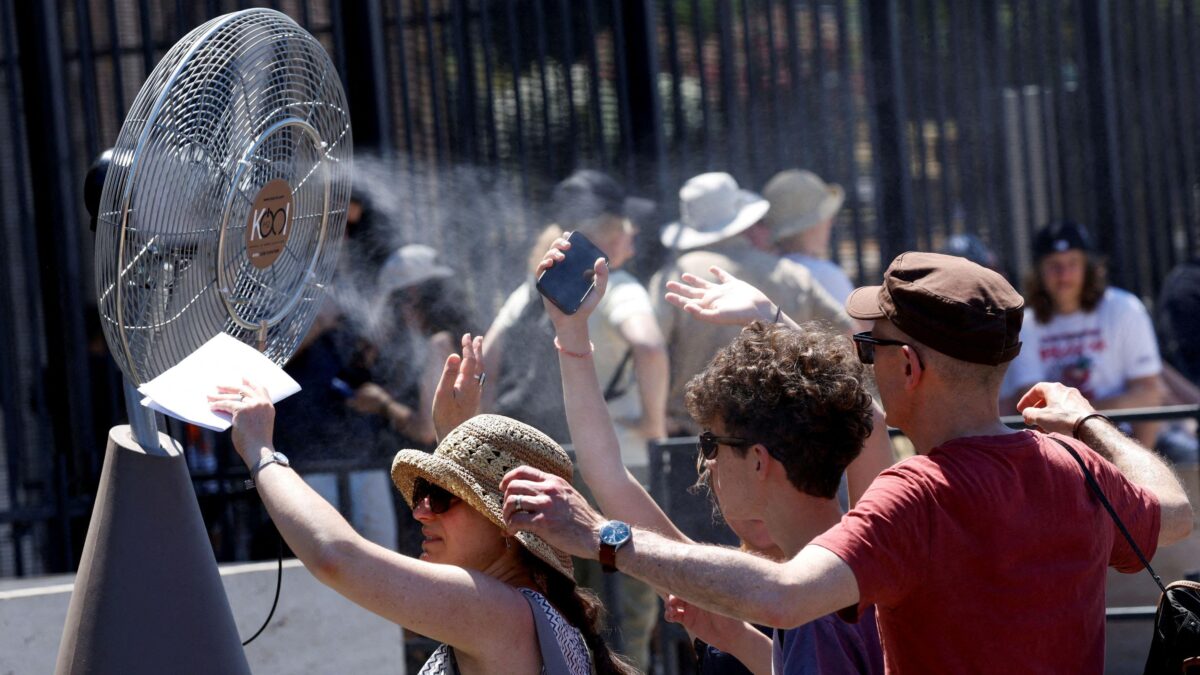
50,000 people died of summer heatwaves in Europe, says Imperial College
The report noted that the highest mortality was estimated among individuals aged 85 years or older.

NationWide
ARCON honours advertising industry veterans, brands
Mr Adebayo said the selection process included nominations, eligibility screening, technical assessment, public voting, jury review and final ratification.
Heading 4
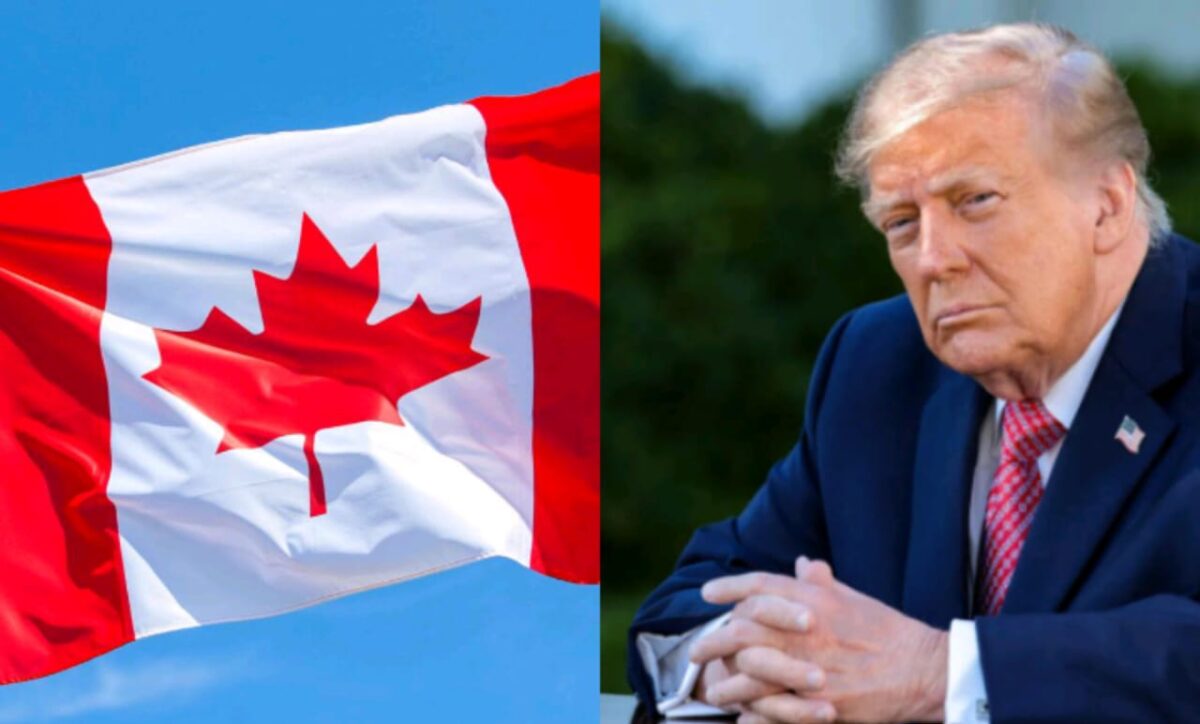
Trump lifts 50% tariffs on Canadian goods ahead of U.S. midterms
A Republican candidate in a key Senate race,Susan Collins, said she lobbied for the removal of tariffs on Canadian products.


