

CBN threatens license revocation for microfinance banks trading in FX
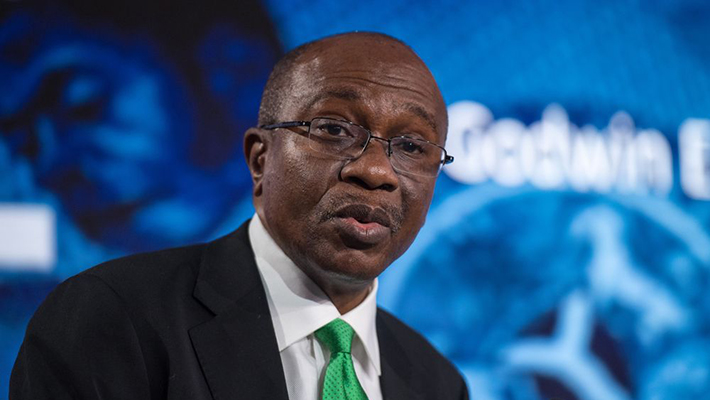
Microfinance banks operating beyond the scope of their license will have their license revoked, the Central Bank of Nigeria (CBN) has warned.
In a circular signed and released by Ibrahim Tukur, head of CBN’s financial and regulation department, on Thursday, the bank threatened to revoke the licences of microfinance banks carrying out foreign exchange transactions.
“The CBN will continue to monitor developments in the MFB sector and apply severe regulatory sanctions for breaches of extant regulations, including revoking the licence of non-compliant MFBs (in line with Section 19 of the Guidelines),” the circular read.
The apex bank stated that it had observed that some microfinance banks (MFBs) have begun dealing in activities it deemed “non-permissible”. These activities include wholesale banking and foreign exchange transactions.
The bank argued that those activities were done at a great risk to the financial system and the banks, and directly contravene the Revised Regulatory and Supervisory Guidelines for Microfinance Banks in Nigeria 2012.
“Given the comparatively low capitalization of MFBs, dealing in wholesale and/or foreign exchange transactions are a significant risk with dire consequences for financial system stability,” the document said.
It further that “It has therefore become imperative to remind MFBs to strictly comply with the extant Revised Regulatory and Supervisory Guidelines for Microfinance Banks in Nigeria 2012 (the Guidelines).”
The apex bank asked that MFBs focus on providing financial services to retail consumers reiterating that they are “strictly prohibited from foreign exchange transactions”.
It added that micro credit and retail transactions are limited to N500,000 per transaction for Tier 2 Unit MFBs and N1,000,000 for other categories.
The Central Bank also added that small-scale credit facilities shall make up a minimum of 80 per cent of total loans portfolio for MFBs.
This development comes a month after the apex bank discontinued FX sales to Bureau De Change operators and directed banks to set up teller points in designated branches to sell the dollar and other foreign currencies to Nigerians.

We have recently deactivated our website's comment provider in favour of other channels of distribution and commentary. We encourage you to join the conversation on our stories via our Facebook, Twitter and other social media pages.

More from Peoples Gazette

States
Independence: NBA urges Nigerians to expect better future
The NBA said that ordinary Nigerians should be deriving benefit from the subsidy removal rather than hardship.

Agriculture
FG tasks ECOWAS on leveraging financing strategies for agroecology
The federal government has urged stakeholders in the agriculture and finance sectors in the West Africa region to leverage financing strategies to enhance agroecology practices

Politics
Katsina youths pledge to deliver over 2 million votes to Atiku
“Katsina State is Atiku’s political base because it is his second home.”
Heading 1
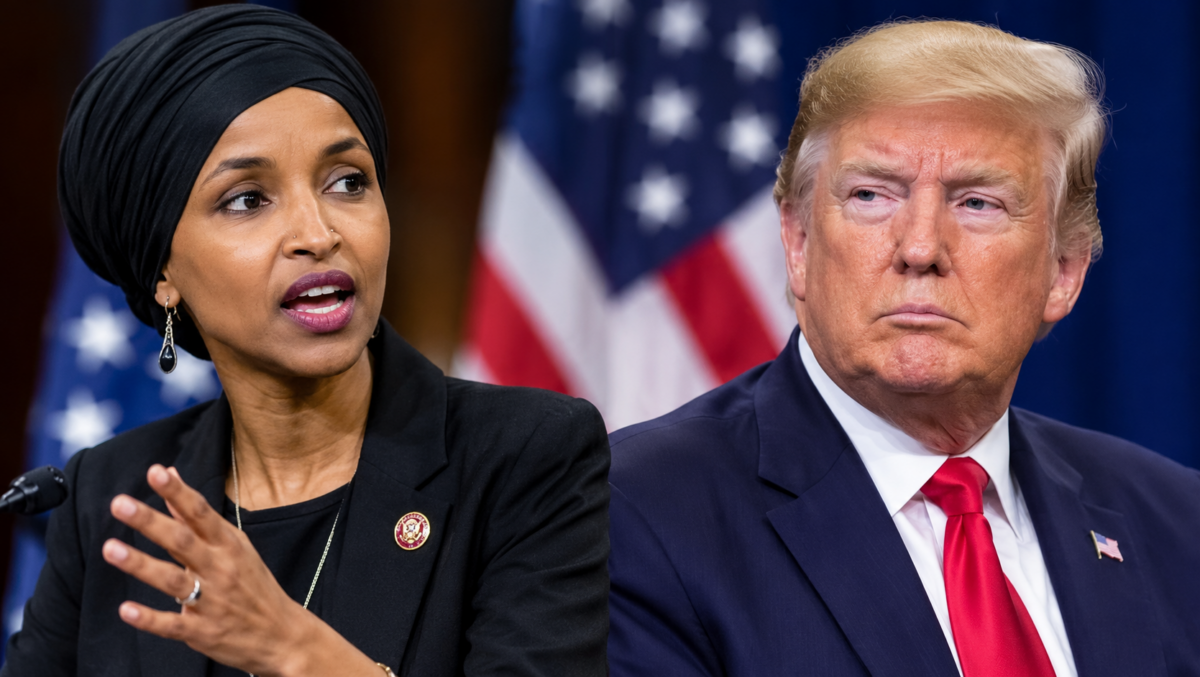
Ilhan Omar calls Trump ‘pedophile protection party’s president’
The Somali-born American politician insisted that her name had always been Ilhan Omar.
Heading 3
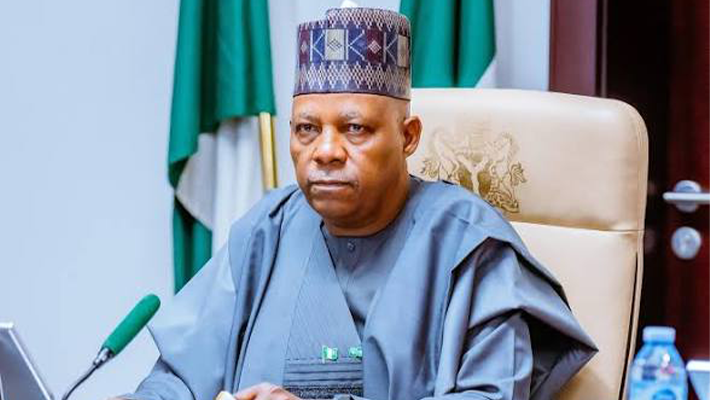
Shettima inaugurates teaching hospital, schools in Borno
Mr Shettima commended Governor Babagana Zulum for establishing the hospital.

Hot news Home top
14 bandits killed as hunters repel attack in Katsina village
The commissioner stated that intelligence report revealed the movement of 26 armed bandits on 13 motorcycles.

States
Police nab man for allegedly killing retired teacher in Ogun
The victim was reportedly killed at her residence in Agbaakin Emere, Abeokuta, on February 27, 2026.

Health
Zamfara NMA intensifies surveillance against Ebola
He said the NMA has developed an incident action plan to create public awareness about Ebola.
States
Customs seize contraband worth N80 million in Adamawa
The comptroller of the command urged the public to treat security as a collective responsibility.


