

CBN unveils Africa-led domestic card scheme to strengthen payments system

Godwin Emefiele, the governor of the Central Bank of Nigeria (CBN), Godwin Emefiele on Thursday, unveiled an African Central Bank-led National Domestic Card Scheme (AfriGO) to address local peculiarities.
At the event, which was monitored virtually, Emefiele said the new card would be accessible to all Nigerians and is expected to strengthen the national payments system and deepen the usage of electronic platforms in Nigeria.
According to him, the new card scheme aimed at providing more options for domestic consumers while also promoting the delivery of services in a more innovative, cost-effective and competitive manner.
He said that CBN’s cash-less policy had created value, engendered competition and attracted investment into the Nigerian banking and payments ecosystem.
The CBN governor assured Nigerians that the card scheme would open more opportunities for the Nigerian economy to integrate the informal segment of the economy, reduce shadow banking and bring more Nigerians into formal financial services.
He commended the Nigerian banking community for rising to the challenge of strengthening the national payments system by implementing AfriGo.
Mr Emefiele also assured international service providers that the new scheme was not designed to prevent them from operating in Nigeria.
“This effort is not a quest to prevent international service providers from continuing to provide services in Nigeria. It is aimed at providing more options for domestic consumers whilst also promoting the delivery of services in a more innovative, cost-effective and competitive manner,” said the CBN boss.
Mr Emefiele stressed CBN’s commitment to a robust, efficient and safe national payments system, welcoming innovation from both domestic firms and foreign investors.
“We can no longer neglect the vast majority of Nigerians whose daily payments needs are micropayments,” the CBN governor said. “We need to capture them in national statistics to further understand their transaction dynamics and properly target interventions in that sector of the economy.”
(NAN)

We have recently deactivated our website's comment provider in favour of other channels of distribution and commentary. We encourage you to join the conversation on our stories via our Facebook, Twitter and other social media pages.

More from Peoples Gazette

Agriculture
FG tasks ECOWAS on leveraging financing strategies for agroecology
The federal government has urged stakeholders in the agriculture and finance sectors in the West Africa region to leverage financing strategies to enhance agroecology practices

Politics
Katsina youths pledge to deliver over 2 million votes to Atiku
“Katsina State is Atiku’s political base because it is his second home.”

Heading 5
Desmond Elliot begs Gbajabiamila, seeks reconciliation after losing Lagos APC House of Assembly ticket
In a viral social media video, Mr Elliot was seen on his knees as he begged Mr Gbajabiamila for forgiveness and sought reintegration into the ruling APC in Lagos.

States
Zamfara NSCDC arrests nine suspects for allegedly stealing school roofing zinc
NSCDC officials in Zamfara arrested nine suspects for allegedly vandalising and stealing roofing zinc from a primary school.

NationWide
Tukur’s death monumental loss to Nigeria, business community: Bode George
Mr Tukur died on Saturday in Abuja, three days before his 91st birthday, and was buried on Sunday in Yola, Adamawa State.
NationWide
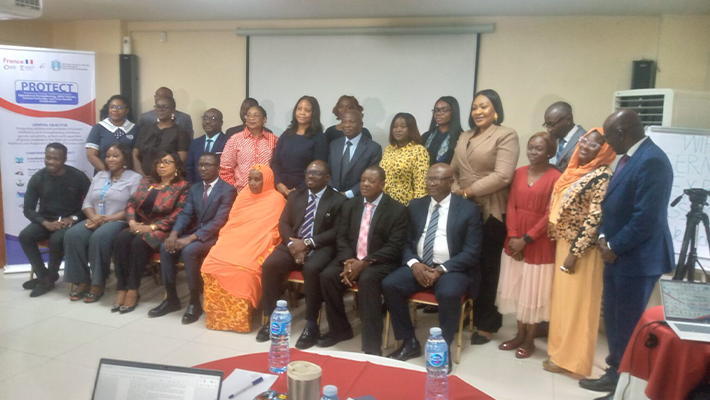
NAPTIP, French agency inaugurate anti-trafficking project
Modeste Krah, head of the PROTECT project, said the initiative aims to strengthen institutional and operational capacities to combat human trafficking.

Education
King’s College workers, parents defer school resumption, demand reversal of concession
King’s College workers and parents said the school will not open for the first term of the 2026/2027 academic session unless the government reverses its proposed concession.

Economy
FG-IFAD project contributes $68.7 million to Nigeria’s economy
Mr Sanni said the project, implemented in nine Niger Delta states, had contributed 130,744 metric tonnes to food security and created 23,751 jobs for women and youth.


