

Community health gaps fuelling poor human capital outcomes in Northern Nigeria: AHBN

The African Health Budget Network (AHBN) has identified poor community health outcomes as a major obstacle to human capital development in Northern Nigeria.
The AHBN said persistent gaps in healthcare were limiting the region’s social and economic growth.
The Coordinator of AHBN, Dr Aminu Garba, made the assertion in an interview in Abuja on Saturday.
Mr Garba spoke on the sidelines of the Northern Nigeria human capital development summit in Abuja.
According to him, Northern Nigeria continues to bear a disproportionate share of the country’s disease burden.
He said communities in the region were grappling with high maternal and child mortality, low immunisation coverage, inadequate access to skilled healthcare services and rising out-of-pocket health expenditure.
He said the situation created a cycle of poor health outcomes that continued to undermine education, workforce productivity and long-term economic development.
Mr Garba cited findings from the 2023–2024 Nigeria Demographic and Health Survey (NDHS), which showed that the North-West recorded the country’s highest under-five mortality rate at 140 deaths per 1,000 live births, followed by the North-East with 127.
“In contrast, the South-West recorded the lowest rate at 42 per 1,000 live births, highlighting significant regional disparities in child survival,” he said.
He said some northern states recorded the country’s worst child health indicators, with Jigawa posting an under-five mortality rate of 161 per 1,000 live births.
“Yobe, Kebbi and Kano also ranked among states with the highest child, infant and neonatal mortality rates,” he said.
According to him, the figures reflect longstanding inequalities in access to quality healthcare and other essential social services.
He also expressed concern over poor maternal healthcare utilisation in many northern communities.
He said many pregnant women still failed to complete the recommended antenatal care visits, while a significant proportion continued to deliver at home without skilled birth attendants.
“These practices contribute substantially to preventable maternal and newborn deaths,” he said.
The AHBN coordinator described routine immunisation as another major concern.
He said Northern Nigeria accounted for the largest proportion of the country’s zero-dose children, who had never received a single routine vaccine.
He identified Sokoto, Kebbi, Zamfara, Kogi, Niger, Kwara and Kano among states contributing significantly to the burden.
“Nationally, only about 39 per cent of children aged between 12 and 23 months are fully vaccinated with the basic antigens, while about 31 per cent have received no vaccination at all.
“The Northern geopolitical zones have the lowest proportion of fully immunised children and the highest number of zero-dose children,” he said.
He said that recurrent stock-outs of modern contraceptives in many health facilities further constrained access to reproductive healthcare services,
He said weak primary healthcare systems, inadequate health financing, shortages of skilled health workers, insecurity and rapid population growth had compounded the challenges facing communities across the region.
According to him, these structural weaknesses have reduced the capacity of health facilities to provide quality maternal, newborn and child health services.
He also highlighted the burden of healthcare financing on households.
He said high out-of-pocket spending remained one of the biggest barriers to accessing healthcare, with many families forced to delay treatment or incur catastrophic health expenditures.
“The North-East and North-West remain among the regions with the worst indicators for catastrophic health spending, meaning families are spending a significant proportion of their income on healthcare.
“This continues to push vulnerable households deeper into poverty and widens health inequalities,” he said.
He said that poor health outcomes extended beyond the health sector, affecting education, economic productivity and social stability.
“Children who suffer from preventable illnesses are more likely to experience poor cognitive development, reduced school attendance and lower educational attainment, while unhealthy adults are less productive and contribute less to economic growth.”
He said repeated disease outbreaks, weak immunisation coverage and fragile primary healthcare systems also threatened community resilience and sustainable development.
To reverse the trend, he called on governments across Northern Nigeria to declare a state of emergency on health and significantly increase investments in primary healthcare.
Mr Garba recommended appointing a health adviser at the Northern States Governors’ Forum secretariat to coordinate regional health priorities and strengthen accountability.
He also urged the 19 northern states to establish functional state centres for disease control to improve disease surveillance, emergency preparedness and outbreak response.
He emphasised the need for sustained investment in reducing maternal deaths and the number of zero-dose children through improved routine immunisation, better maternal healthcare services and increased funding for primary healthcare facilities.
He further advocated the recruitment, training and retention of healthcare workers, particularly in rural and underserved communities.
“Governments should introduce incentives such as rural hardship allowances, decent accommodation, reliable electricity, childcare support and accelerated career progression to encourage health workers to serve in difficult locations.
“There is also the need to modernise medical training institutions, strengthen supportive supervision, ensure the availability of essential medicines, oxygen, functional cold-chain systems and diagnostic equipment,” he said.
He called for improved accountability in the use of health resources.
He also called for stronger community participation through ward development committees to monitor health services and support facility improvement plans.
“All northern states should strengthen or establish state health insurance agencies and equity funds to protect vulnerable populations from financial hardship.
“Improving community health is fundamental to building human capital, reducing poverty and achieving sustainable development in Northern Nigeria.
“Investing in community health is not only a health intervention but also an investment in education, economic growth, security and the future prosperity of Northern Nigeria,” he said.
(NAN)

We have recently deactivated our website's comment provider in favour of other channels of distribution and commentary. We encourage you to join the conversation on our stories via our Facebook, Twitter and other social media pages.

More from Peoples Gazette

States
Independence: NBA urges Nigerians to expect better future
The NBA said that ordinary Nigerians should be deriving benefit from the subsidy removal rather than hardship.

Agriculture
FG tasks ECOWAS on leveraging financing strategies for agroecology
The federal government has urged stakeholders in the agriculture and finance sectors in the West Africa region to leverage financing strategies to enhance agroecology practices

Politics
Katsina youths pledge to deliver over 2 million votes to Atiku
“Katsina State is Atiku’s political base because it is his second home.”

States
Gunmen storm Sokoto-Badagry project site, kill two security agents, foreign worker
The police said two civilians were also injured during the attack and were subsequently evacuated for medical attention.

Agriculture
Cocoa farmer faces alleged N4 million fraud charge
A cocoa farmer, Fasina Yusuf, has appeared before an Abeokuta Magistrates’ Court in Isabo on an alleged N3.9 million fraud charge.

Anti-Corruption
EFCC arraigns two Lagos men for money laundering
The duo are on trial on ten charges bordering on theft, money laundering, and retention of stolen property, according to an EFCC statement on Thursday.
Heading 5
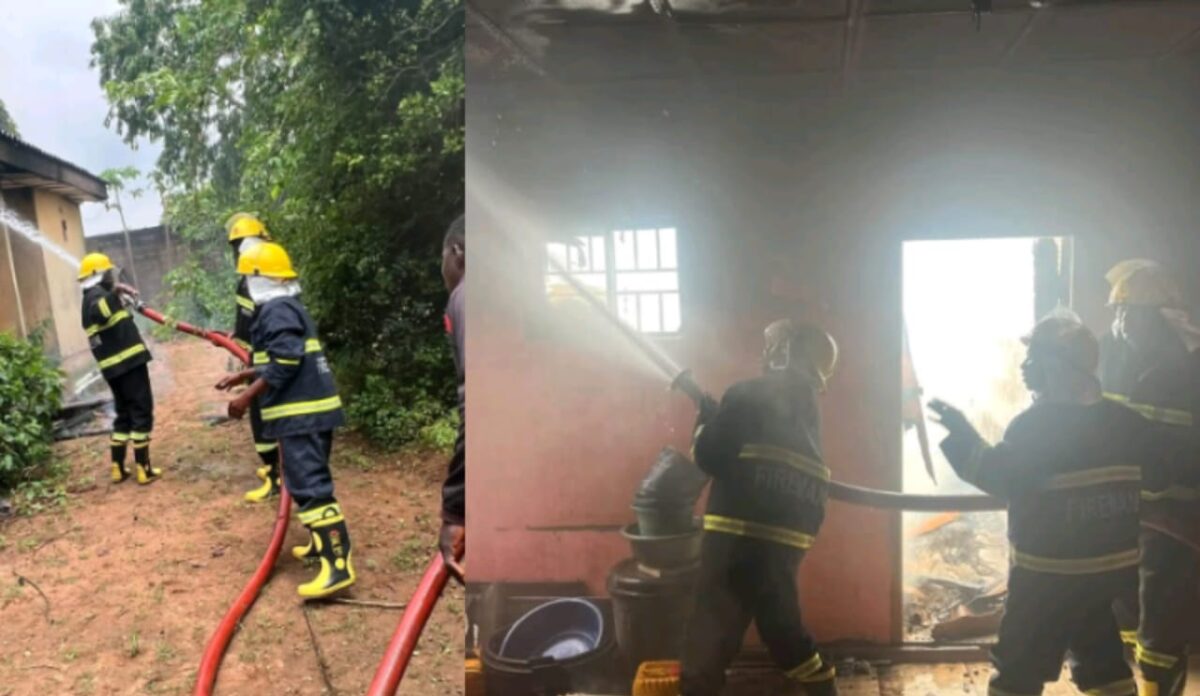
Fire guts Ilorin building
An electrical spark from a transmission line reportedly triggered a fire that gutted a four-bedroom building in Ilorin, Kwara, on Wednesday.
States
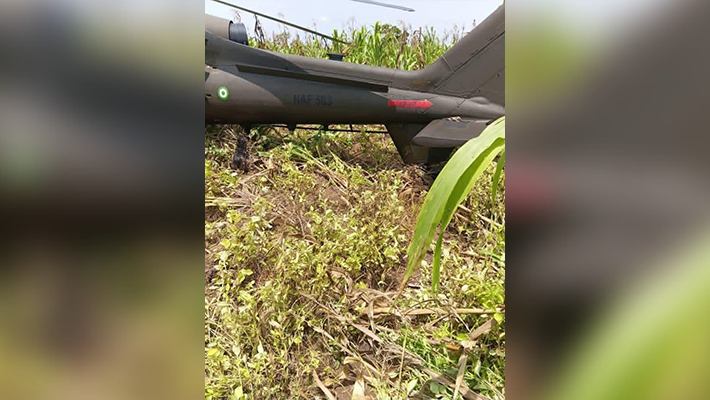
Ondo Crash: NAF helicopter makes precautionary landing in Benue
The Nigerian Air Force says one of its helicopters made a precautionary landing on a farm in Benue after providing close air support during an operation against kidnappers.
Africa
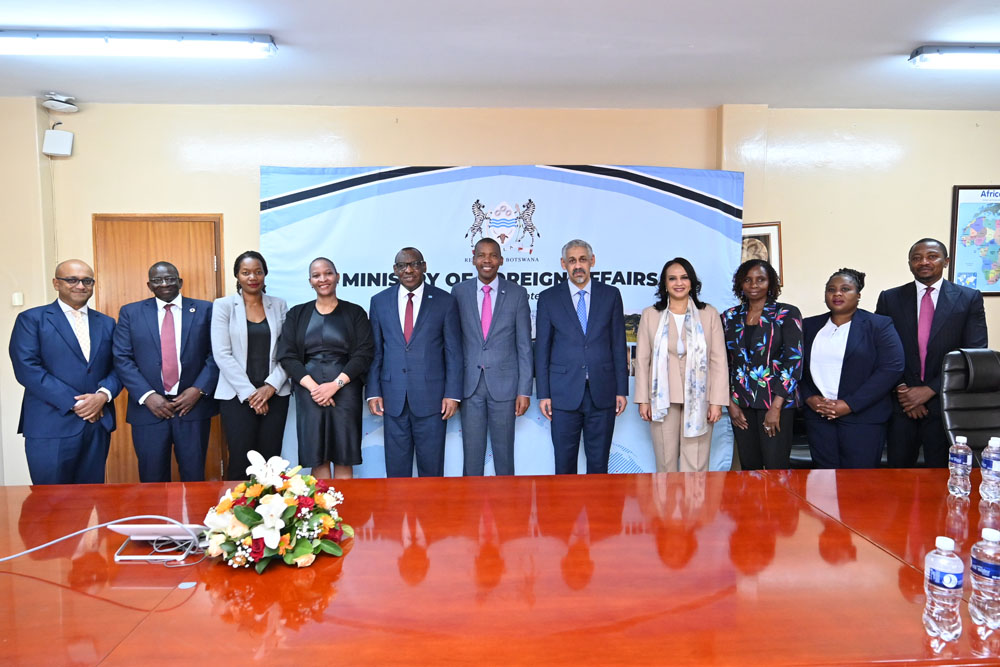
ECA, UN agencies seek stronger social protection for vulnerable populations
ECA and some UN agencies have called for stronger social protection systems to reach underserved populations and respond to emerging shocks.


