

Community support crucial to improved breastfeeding, maternal health, says expert
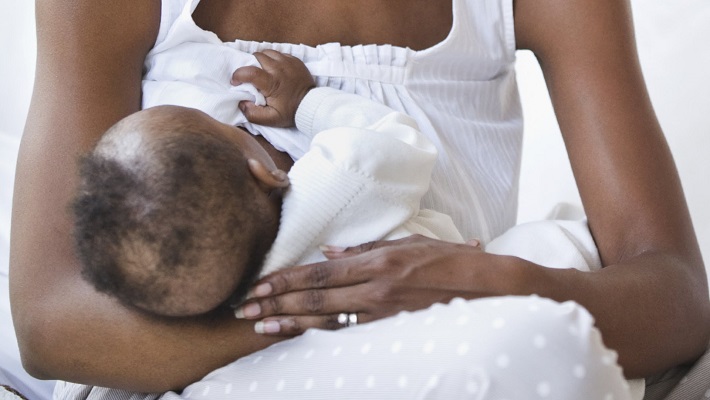
Khadijat Adeleye, a public health expert, says sustained support across family, community, workplace, health systems and policy levels are crucial to improving breastfeeding rates and maternal health outcomes.
Ms Adeleye, a maternal health advocate, said this in an interview with journalists on Sunday in Abuja.
She spoke as part of activities to mark the 2025 World Breastfeeding Week.
This year’s theme for World Breastfeeding Week, which will be observed from August 1st to 7th, is “Let’s Make Breastfeeding and Work, Work!”
The theme stresses the need to create supportive environments that enable mothers to breastfeed while balancing work commitments successfully.
The campaign highlights the importance of essential maternity rights and workplace accommodation to ensure that mothers can continue breastfeeding for as long as they choose.
Ms Adeleye said that while exclusive breastfeeding is one of the most effective interventions for reducing infant mortality, it remains underutilised in Nigeria due to fragmented support systems.
“We can not expect mothers to successfully breastfeed without consistent encouragement and structures in place, whether at home, work or the health facility.
“Support must be collective, continuous, and culturally sensitive.
“According to the 2018 Nigeria Demographic and Health Survey, only 29 per cent of Nigerian infants under six months are exclusively breastfed.
“That is well below the global target of 50 per cent by 2025 set by the World Health Organisation (WHO), ” she said.
She said that mothers were more likely to initiate and sustain breastfeeding when they receive early guidance from health workers, encouragement from family members, and practical support from employers.
She said that support from employers included flexible work hours and breastfeeding spaces.
Ms Adeleye also pointed to the success of mother support groups in rural areas, particularly in Benue and Kaduna States.
According to her, through such groups, community-driven initiatives have raised exclusive breastfeeding rates through peer counselling and household visits.
She urged the government to fully enforce the International Code of Marketing of Breast-milk Substitutes, while promoting baby-friendly hospital initiatives across the country.
“Nigeria must invest in supportive systems that protect breastfeeding from being undermined by commercial interests and social pressures,” she said.
She further called on policymakers to prioritise paid maternity leave and breastfeeding-friendly workplace policies, warning that the lack of structural support continues to put both mothers and babies at risk.
She stressed the need for workplace-friendly breastfeeding policies in Nigeria. In alignment with this year’s World Breastfeeding Week theme.
“Making breastfeeding at work, work, makes societies work.
“Breastfeeding provides vital health and nutritional benefits for children with positive lifelong impacts, building healthier populations and workforces for the future,” she said.
She said that women should not have to choose between breastfeeding their children and keeping their jobs, as support is possible regardless of workplace, sector or contract type.
“Effective maternity protections improve children’s and women’s health and increase breastfeeding rates.
“Today, more than half a billion working women globally lack access to vital maternity provisions. Many more face limited or no support when they return to work,” she said.
Ms Adeleye recommended that all women, regardless of the nature of their work, should have at least 18 weeks, and preferably more than six months, of paid maternity leave.
She also advocated for paid time off to breastfeed or express milk after returning to work, along with flexible return-to-work options.
She called policymakers to strengthen existing labour laws and health sector policies to ensure that both formal and informal sector workers receive adequate breastfeeding support.
“Without such provisions, national efforts to improve maternal and child health may continue to fall short,” she said.
(NAN)

We have recently deactivated our website's comment provider in favour of other channels of distribution and commentary. We encourage you to join the conversation on our stories via our Facebook, Twitter and other social media pages.

More from Peoples Gazette

States
Independence: NBA urges Nigerians to expect better future
The NBA said that ordinary Nigerians should be deriving benefit from the subsidy removal rather than hardship.

Agriculture
FG tasks ECOWAS on leveraging financing strategies for agroecology
The federal government has urged stakeholders in the agriculture and finance sectors in the West Africa region to leverage financing strategies to enhance agroecology practices

Politics
Katsina youths pledge to deliver over 2 million votes to Atiku
“Katsina State is Atiku’s political base because it is his second home.”

Sport
2027 AFCON Qualifier: Guinea-Bissau beat Madagascar, extend lead over Nigeria in Group L
Guinea-Bissau now have 10 points, Nigeria seven points, while Madagascar and Tanzania have two points each.
Africa
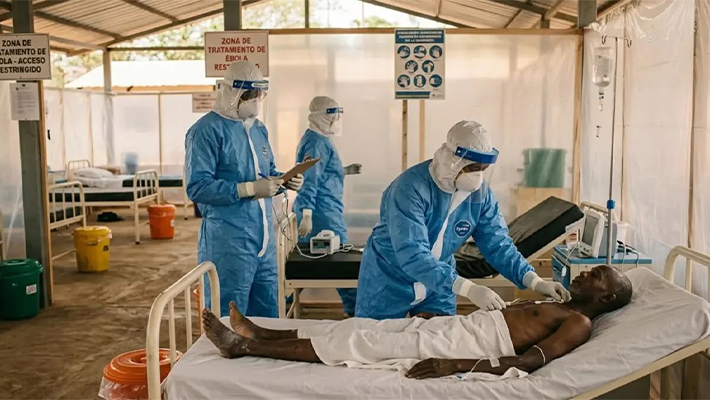
WHO raises concern over rising Bundibugyo Ebola deaths, insecurity in DR Congo
Mr Ghebreyesus said the outbreak, declared six months ago, had spread across 67 health zones in eight provinces in the DR Congo.

Africa
Afreximbank urges industries to boost intra-African trade as alternative to China in global markets
“As global markets look to diversify production beyond China, Africa must position itself as a natural partner of choice,” Mr Maayergi said.

World
Russell Brand faces probe over prison message to supporters
Mr Brand was convicted at Southwark Crown Court of one count of rape and three counts of sexual assault.
Politics
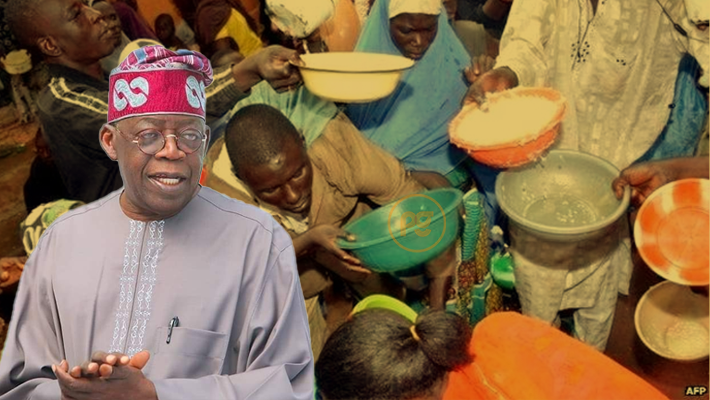
Tinubu admits cost-of-living crisis after APC dismissed widespread hunger claims
According to Mr Tinubu, the 2027 election is about the country’s future and direction.

World
WHO pushes for stronger vaccination, screening, treatment to eliminate cervical cancer
WHO said that expanding HPV vaccination, improving screening access, and ensuring timely treatment are critical to protecting women.


