

Conflict, instability making pregnancy increasingly dangerous worldwide: WHO
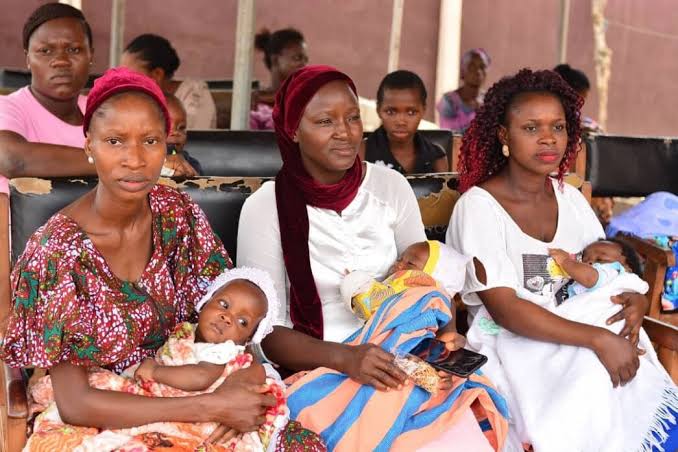
Nearly two-thirds of all maternal deaths worldwide occur in countries marked by conflict or fragility, making pregnancy more dangerous in conflict and unstable environments. The World Health Organisation and partners stated this in a report released on Tuesday.
The risk of a woman who lives in a country affected by conflict dying due to maternal causes is around five times higher for each pregnancy she undergoes compared to her peers in stable countries, according to new findings in the WHO report.
In 2023 alone, an estimated 160,000 women died from preventable maternal causes in fragile and conflict-affected settings, that is, six in 10 maternal deaths worldwide, despite these countries accounting for only around one in 10 of global live births.
The new technical brief offers analysis as to why pregnant women living in certain countries are more likely to die in childbirth and confirms what many practitioners see on the ground: crises create conditions where health systems cannot consistently deliver lifesaving maternal care.
Gender, ethnicity, age and migration status can increase the risk women and girls face who are both pregnant and living in fragile contexts, according to the brief, produced by WHO and an inter-agency group that includes the UN agencies for development, UNDP; sexual and reproductive health, UNFPA, and children, UNICEF, as well as the World Bank.
A 15-year-old girl living in a country or territory affected by conflict in 2023 had a one in 51 lifetime risk of eventually dying from a maternal cause, compared with a one in 79 risk in a country or territory affected by institutional and social fragility, and one in 593 for a 15-year-old girl living in a relatively stable country.
Countries classified as conflict-affected had an estimated maternal mortality ratio of 504 deaths per 100,000 live births, while in countries considered institutionally and socially fragile, it was 368. In contrast, countries outside both categories saw a much lower ratio of 99.
(NAN)

We have recently deactivated our website's comment provider in favour of other channels of distribution and commentary. We encourage you to join the conversation on our stories via our Facebook, Twitter and other social media pages.

More from Peoples Gazette

States
Independence: NBA urges Nigerians to expect better future
The NBA said that ordinary Nigerians should be deriving benefit from the subsidy removal rather than hardship.

Agriculture
FG tasks ECOWAS on leveraging financing strategies for agroecology
The federal government has urged stakeholders in the agriculture and finance sectors in the West Africa region to leverage financing strategies to enhance agroecology practices

Politics
Katsina youths pledge to deliver over 2 million votes to Atiku
“Katsina State is Atiku’s political base because it is his second home.”

World
U.S. suspends Microsoft, Adobe from filing for green cards
Labour secretary Keith Sonderling said the suspensions stemmed from ongoing federal investigations into the firms.

World
Children among nine killed in U.S. by Perry Street mass shooter
Erie authorities confirmed the shooting happened on Perry Street in a statement, adding that the shooter is also dead.

Politics
2027: Over 30,000 Enugu teachers endorse Tinubu, Mbah for re-election
Mr Mba said teachers from communities across the 17 local government areas had gathered for the endorsement.
States
Gunmen kill three miners in Plateau
The incident occurred months after five miners were killed at a mining site after gunmen invaded Gero village, Gy district of the Jos South area of the state.

States
2027: Imo APC holds ‘one million-man march’ for Tinubu’s re-election
The party chairman urged supporters to intensify grassroots mobilisation ahead of the 2027 elections.

World
Death penalty violates human dignity, Pope Leo says as U.S. announces execution of Nidal Hasan by firing squad
Court-martialled in 2013, Mr Hasan was convicted of mass murder and has remained on death row.


