

Consumption Tax: IMF urges Japan to sustain tight monetary policy

The International Monetary Fund on Wednesday urged Japan to continue tightening monetary policy and refrain from cutting its consumption tax.
The IMF warned that loosening fiscal discipline could heighten risks to the country’s already strained public finances.
In a statement issued after concluding its regular consultations with Japanese authorities, the IMF said the Bank of Japan is “appropriately withdrawing monetary accommodation” and should continue to raise interest rates gradually.
The goal, it said, is to guide the policy rate toward a neutral level by 2027, one that neither stimulates nor restrains economic growth.
The fund restated that the central bank’s “continued independence and credibility” are crucial to keeping inflation expectations well anchored, cautioning the government against excessive interference in monetary policy.
The remarks come as Prime Minister Sanae Takaichi has proposed suspending the 8 per cent consumption tax on food and beverages for two years, following a general election earlier this month.
Mr Takaichi has framed the measure as necessary relief for households grappling with higher living costs.
However, the IMF advised that any support for vulnerable households and firms affected by rising prices or external shocks should be “budget neutral, temporary, and targeted”.
It warned that reducing the consumption tax would “erode fiscal space and add to fiscal risks”, and that broad-based measures to counter the cost-of-living pressures could further weaken Japan’s fiscal position.
Japan’s public debt, the highest among major economies, is projected to increase over the long term, the IMF said, in spite of progress in post-pandemic fiscal consolidation driven by spending restraint and improved tax collection.
Beyond fiscal issues, the Washington-based lender noted that risks to Japan’s economic outlook are “tilted to the downside”.
Domestically, it said, the primary concern remained subdued consumption if real wage growth fails to turn positive.
(Xinhua/NAN)

We have recently deactivated our website's comment provider in favour of other channels of distribution and commentary. We encourage you to join the conversation on our stories via our Facebook, Twitter and other social media pages.

More from Peoples Gazette

Agriculture
FG tasks ECOWAS on leveraging financing strategies for agroecology
The federal government has urged stakeholders in the agriculture and finance sectors in the West Africa region to leverage financing strategies to enhance agroecology practices

Politics
Katsina youths pledge to deliver over 2 million votes to Atiku
“Katsina State is Atiku’s political base because it is his second home.”
States
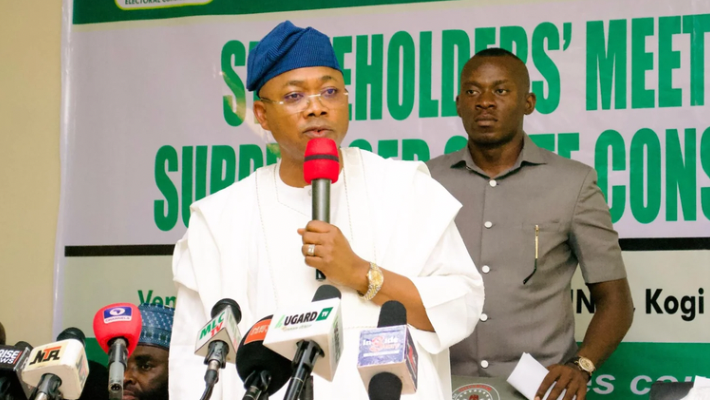
Tinubu advised me never to negotiate with criminals, Gov Ododo says
“I don’t play with criminals, and I don’t negotiate with them. I can tell you that, as far as Kogi State is concerned, we don’t have a department for ransom payment,” he said.

Heading 1
U.S. has spent $37.5 billion on Iran war: Hegseth
“The estimate we have as of today is $37.5 billion,” Mr Hegseth said.

Lagos
Slain Lagos NURTW organising secretary buried amid tears
Mr Ajiboye died days after he was attacked by gunmen.

Africa
144 refugees, migrants dead, missing off Mauritania coast: UNHCR
“The refugees and migrants were reported dead or missing after attempting the perilous sea journey from West Africa towards Europe,” the agency said.

World
U.S. govt condemns Ortega’s ban on elections in Nicaragua
Mr Rubio urged the international community to rise against Mr Ortega’s dictatorship.

World
Zelensky sacks Ukraine’s top general after firing defence minister
Mr Syrskyi’s dismissal came days after Mr Zelensky fired Ukraine’s defence minister, Mykhailo Fedorov, a decision that sparked protests across the country.


