

Corpses pile up as floods ravage Libyan city

Residents and rescue workers in the devastated Libyan city of Derna are struggling to cope with the thousands of corpses washing up or decaying under rubble.
This is happening after a flood that smashed down buildings and swept people out to sea.
The World Health Organisation (WHO) and other aid groups urged authorities in Libya to stop burying flood victims in mass graves, saying these could bring long-term mental distress to families or cause health risks if located near water.
A UN report said more than 1,000 people had so far been buried in that manner since Libya, a nation divided by a decade of conflict and political chaos, was hit on Sunday by torrential rain that caused two dams to burst.
Thousands were killed, and thousands more are missing.
“Bodies are littering the streets, washing back on shore, and are buried under collapsed buildings and debris.
“In just two hours, one of my colleagues counted over 200 bodies on the beach near Derna,” Bilal Sablouh, International Committee of the Red Cross (ICRC) forensics manager for Africa, told a briefing in Geneva.
Ibrahim al-Arabi, health minister in Libya’s Tripoli-based western government, told Reuters he was certain groundwater was polluted with water mixed up with corpses, dead animals, refuse, and chemical substances.
“We urge people not to approach the wells in Derna,” he said.
Mohammad al-Qabisi, head of Derna’s Wahda Hospital, said a field hospital was treating people with chronic illnesses that needed regular attention.
He said there were fears that waterborne diseases would spread, but no cholera had been recorded so far.
Swathes of Derna, the centre point of the destruction in Libya’s east, were obliterated when the dams above the city broke, and the flood that swept down a usually dry riverbed brought down whole residential blocks while families were asleep.
The International Organisation for Migration mission in Libya said more than 5,000 people were presumed dead, with 3,922 deaths registered in hospitals, and over 38,640 were displaced in the flood-stricken region.
The true death toll could be far higher, officials say.
“We should be afraid of an epidemic,” 60-year-old Nouri Mohamed said at a bakery offering loaves for free. “There are still bodies underground… Now there are corpses starting to smell.”
The U.N. health agency, together with the ICRC and the International Federation of the Red Cross and Red Crescent Societies, called for burials to be managed better.
“We urge authorities in communities touched by tragedy to not rush forward with mass burials or mass cremations,” Kazunobu Kojima, medical officer for biosafety and biosecurity in the WHO’s Health Emergencies Programme, said in the statement.
It called for individual graves to be demarcated and documented, saying that hasty interments could lead to mental anguish for families as well as social and legal problems.
The bodies of victims of trauma from natural disasters “almost never” pose a health threat, it said, unless they are in or near freshwater supplies since corpses may leak excrement.
A doctor in Derna said this week that photos were being taken of unidentified bodies before burial in case relatives could identify them later on.
Thursday’s UN report said more than 1,000 bodies in Derna and over 100 in Al Bayda, another coastal city hit by flooding, had been buried in mass graves.
The Norwegian Refugee Council, which has a team of 100 in Libya, said dead body management was the most pressing concern.
“I’ve heard from my team that there are mass graves where rescue workers are appealing: ‘Don’t bring us food, don’t bring us water, bring us body bags’,” the NRC’s Ahmed Bayram said.
(Reuters/NAN)

We have recently deactivated our website's comment provider in favour of other channels of distribution and commentary. We encourage you to join the conversation on our stories via our Facebook, Twitter and other social media pages.

More from Peoples Gazette

States
Independence: NBA urges Nigerians to expect better future
The NBA said that ordinary Nigerians should be deriving benefit from the subsidy removal rather than hardship.

Agriculture
FG tasks ECOWAS on leveraging financing strategies for agroecology
The federal government has urged stakeholders in the agriculture and finance sectors in the West Africa region to leverage financing strategies to enhance agroecology practices

Politics
Katsina youths pledge to deliver over 2 million votes to Atiku
“Katsina State is Atiku’s political base because it is his second home.”
States
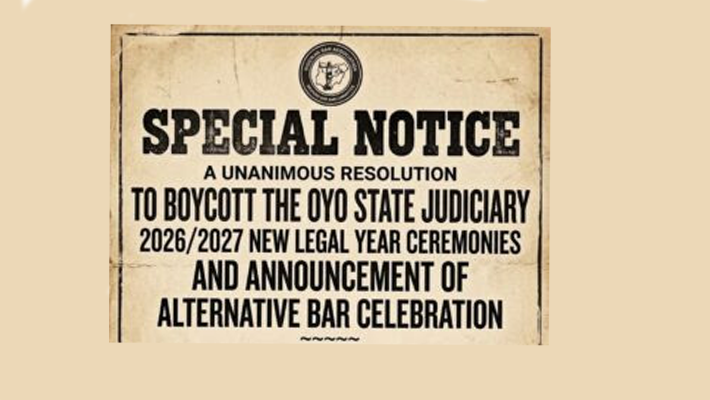
NBA Ibadan to boycott Oyo judiciary’s new legal year event
The branch said it unanimously reached the boycott decision at its general meeting convened on Saturday.
Heading 1
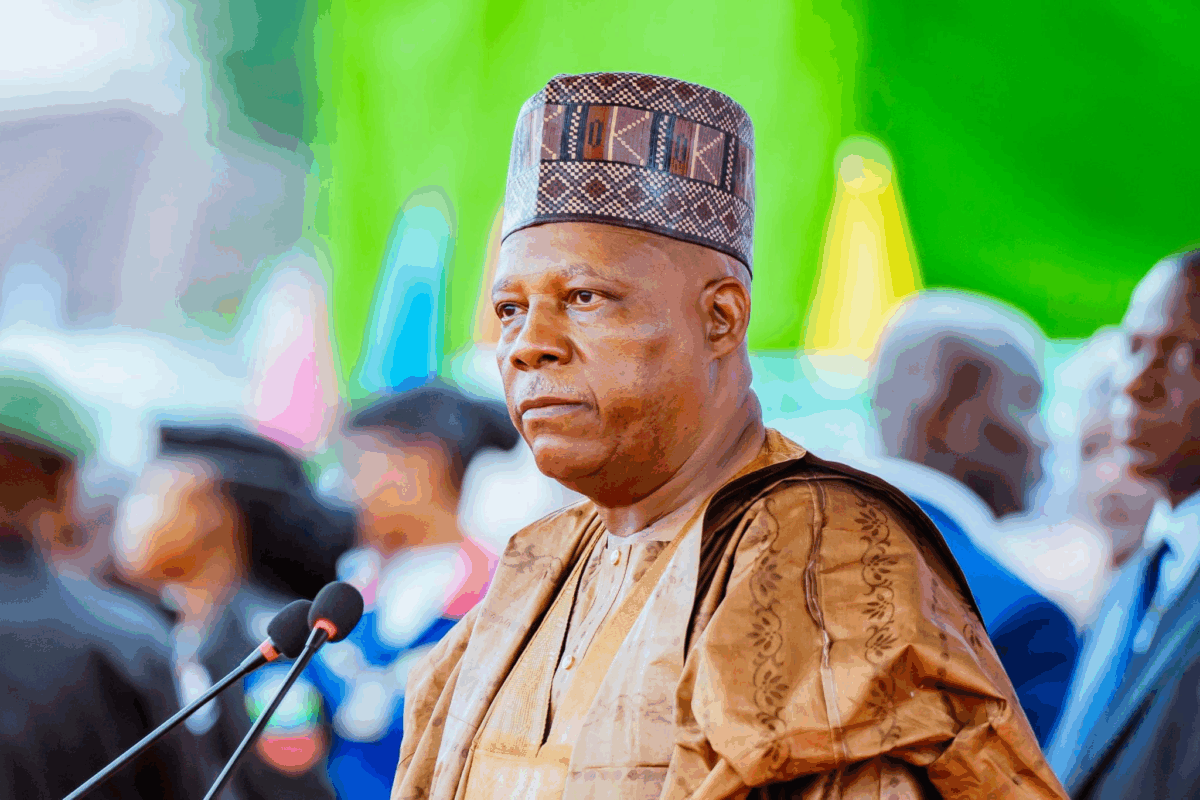
Under Buhari Nigeria was collapsing before Tinubu came as saviour: Shettima
Mr Shettima stated Nigerians should be kind towards Mr Tinubu.

States
Kano governor condoles NIPR chairman over father’s death
The governor urged the bereaved family to take solace in the good virtues and legacies left behind by the deceased.
![Vessels along Strait of Hormuz (Photo credit: Benoit Tessier/File Photo/Reuters]](https://gazettengr.com/wp-content/uploads/cxk79fQB.jpg)
World
Iran lists seven conditions to reopen Strait of Hormuz
Mr Ghalibaf said accepting the seven demands was the only way to reopen the oil passageway.
States
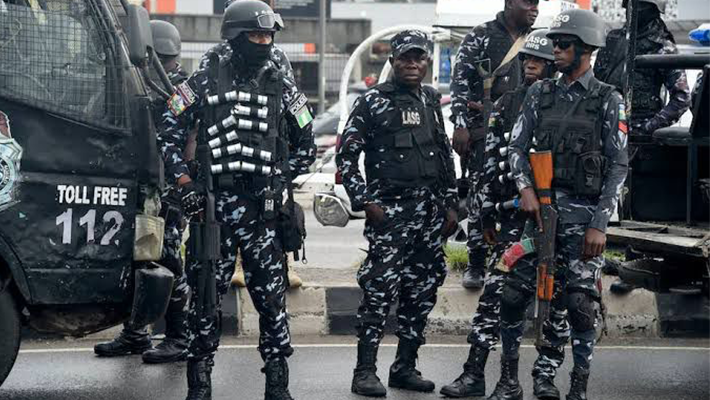
Two suspected cultists nabbed in Delta for alleged murder
Mr Edafe said the suspects were apprehended on Thursday by the command’s operatives of the Violent Crime Response Unit.

Lagos
Tinubu visits Oba of Lagos, receives monarch’s counsel, prayers
Some APC stalwarts, political associates and other dignitaries were part of the visit.


