

Countries not transparent enough on debt, social spending, Open Budget Survey finds

Amid historic levels of crippling global debt, the Open Budget Survey finds that countries are not sufficiently transparent and accountable about how they are managing their debt or spending on important social sectors, like health, sanitation and other services.
“Despite modest gains in this latest Open Budget Survey round, governments are not providing enough information and opportunities for engagement on how they are managing debt and executing budgets in later stages of the budget process. These are two key areas that impact whether governments can effectively deliver reliable, quality healthcare, sanitation, and other public services,” said Austin Ndiokwelu, Director of Policy and Global Advocacy at the International Budget Partnership.
This latest round of the survey found a modest one-point increase in global budget transparency scores compared to the previous round. Nevertheless, regional trends show two stories—one of sustained progress and one of downward peril. Since 2012, East Asia & the Pacific and Sub-Saharan Africa have had the steepest increases over time. Their progress, along with that of Eastern Europe & Central Asia and Latin America & the Caribbean, contrast with a significant fall over time in South Asia, stagnation in Western Europe, U.S., & Canada, and continued low performance in the Middle East & North Africa (albeit with improvements).
Major conflicts and other factors contributed to drops in the publication of two key documents—Citizens Budgets and In-Year Reports. Citizen Budgets are a more accessible version of the budget that everyday people can engage with. In-Year Reports are a perfect opportunity to assess whether countries are underspending or overspending compared to their initial budgets on social programs and other sectors that are important to everyday people.
We also found that governments could be more accountable about how they are managing debt and the longer-term ramifications of their debt on their finances. Providing more space for public scrutiny of this information is critical to avoid recurring debt crises. Only about half of countries surveyed provide data in their budget proposals on their total debt burden. And less than a quarter offer information on the long-term sustainability of government finances. Even fewer—11 percent—include a projection of financial sustainability in their Executive Budget Proposal that covers a period of at least 10 years.
Worryingly, legislative oversight has steadily declined over the last two survey rounds, falling three points from its pre-COVID pandemic mark. The pandemic provided an excuse for many executive governments to sidestep the legislature in its budget practices and legislative oversight practices have not bounced back since.
Participation practices are still nascent, although 83% of countries have at least one mechanism for the public to engage in the budget process. Importantly, line ministries have much fewer spaces for people to have a say on sector budgets. Less than a third of line ministries invite people’s input into sector budgets, compared to a little under three-fifths of finance ministries and a little under three-fifths of legislatures. This is a reform opportunity as line ministries make important decisions around social spending that directly impacts people’s lives.
“Engaging the public is a winning proposition,” said Ndiokwelu. “The budgetary process offers many opportunities for governments to share information about public resource decisions they are making and to seek community generated evidence that can help them make better decisions that reflect people’s priorities. This can help restore the public’s trust in government’s ability to deliver economic dividends and improve people’s lives.”
The Open Budget Survey is the world’s only independent, comparative assessment of transparency, oversight and participation in national budgets. The latest round of the biennial survey assessed 125 countries, which are home to 7.5 billion people (95% of the world’s population) and encompassed budgets totaling more than $33.5 trillion in spending in Fiscal Year 2022. It is conducted in partnership with local researchers, peer reviewers, and government reviewers who completed 30,000 indicators across all surveyed countries, assessing 672 publicly available budget documents and 299 participation mechanisms.

We have recently deactivated our website's comment provider in favour of other channels of distribution and commentary. We encourage you to join the conversation on our stories via our Facebook, Twitter and other social media pages.

More from Peoples Gazette

States
Independence: NBA urges Nigerians to expect better future
The NBA said that ordinary Nigerians should be deriving benefit from the subsidy removal rather than hardship.

Agriculture
FG tasks ECOWAS on leveraging financing strategies for agroecology
The federal government has urged stakeholders in the agriculture and finance sectors in the West Africa region to leverage financing strategies to enhance agroecology practices

Politics
Katsina youths pledge to deliver over 2 million votes to Atiku
“Katsina State is Atiku’s political base because it is his second home.”
States
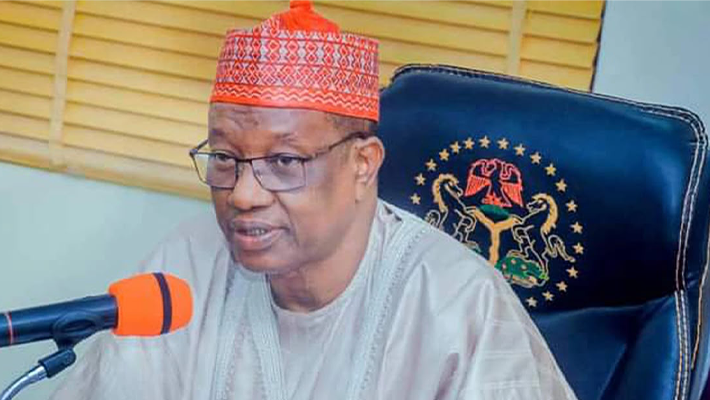
NDC urges calm over omission of Kano governorship candidate from INEC list
The party said that Mr Abdussalam-Gwarzo had fulfilled all the requirements for the election.

States
Ododo urges Kogi Christian leaders to promote unity, peace
The governor commended CAN for 50 years of faith, worship, unity and service to humanity.
World
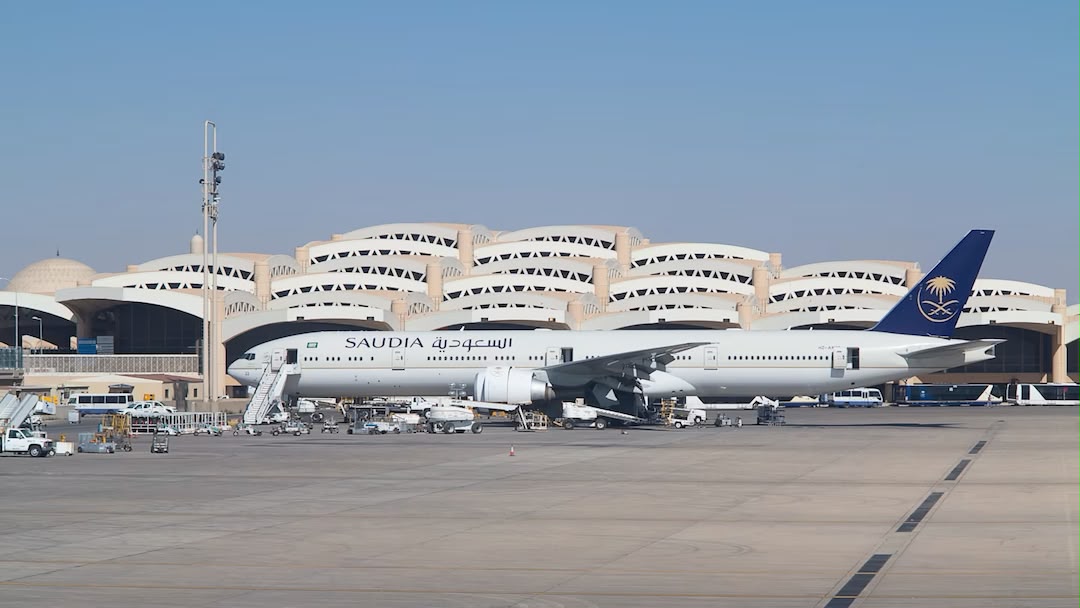
At least 12 killed, over 300 injured in Houthi attack on Saudi airport
The dead included four Saudis, two Bangladeshis and one resident each from the U.S., Egypt, Jordan, Syria, Palestine and Sudan.
Politics
2027: NDC to inaugurate presidential council October 20
The chairman said the party was taking time to make appropriate appointments to avoid disagreements that could disrupt its campaigns.

World
About one million without electricity after hurricane makes landfall in Florida
Isaias peaked as a category three hurricane, with heavy rain and powerful winds, but has since been downgraded.
Lagos
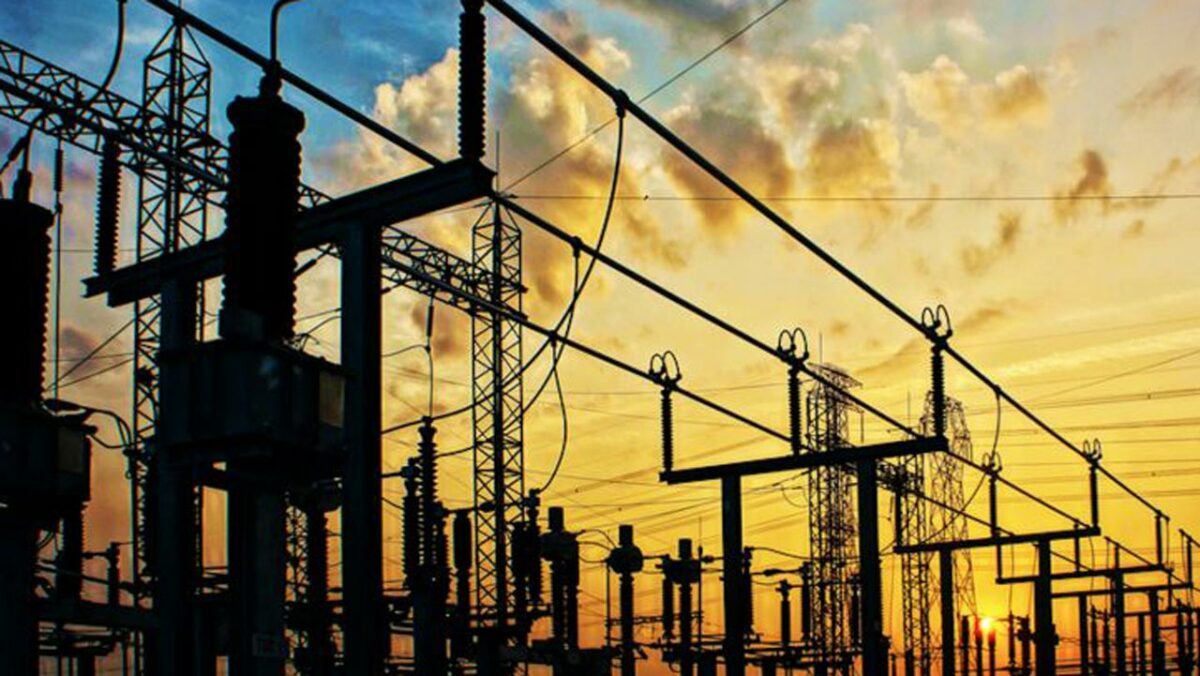
Lagos targets 3,000MW electricity supply by March 2027
Mr Sanwo-Olu said the initiative is part of efforts to end blackouts and build a 24-hour power economy in the state.


