

Cross River to deworm 400,000 schoolchildren
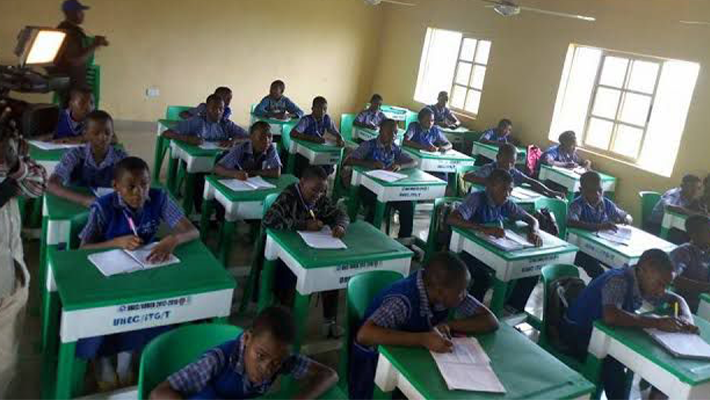
Cross River has targeted 400,000 children, between five and 14 years old, in its 2026 mass treatment campaign for neglected tropical diseases across selected local councils.
Tochi Ohaji, senior manager at Evidence Action, made the remark while speaking with reporters in Calabar.
Mr Ohaji said the initiative aligned with Nigeria’s plan to eliminate NTDs by 2030, adding that their intervention focused on treating soil-transmitted helminthiasis and schistosomiasis among the school-aged children.
He said an impact assessment conducted with the Federal Ministry of Health showed significant progress in controlling both diseases in Cross River.
Speaking further, Mr Ohaji stated that the exercise would run for five days, beginning on Wednesday, with trained teams visiting schools to administer treatment to eligible children.
He urged parents, school authorities and community leaders to support the campaign to ensure all eligible children receive the medicines.
“The programme targets 14 of the state’s 18 local government areas where disease prevalence qualifies communities for mass drug administration,” he said.
Mr Ohaji added that seven local government areas would participate in the current phase, while the remaining areas would be covered in subsequent rounds.
Also speaking, Jacob Solomon, programme officer for schistosomiasis and soil-transmitted helminthiasis elimination, highlighted concerns about declining donor funding.
Mr Solomon said global partners were beginning to experience donor fatigue, necessitating that governments increase domestic funding for neglected tropical disease programmes.
He urged state governments to establish dedicated budget lines for disease elimination activities and to ensure funds are released when appropriated. He said stronger domestic funding would help sustain deworming programmes and protect gains already achieved across endemic states.
Veronica Mark, Cross River coordinator for NTDs, said seven council areas would benefit from the initial exercise in 2026, including Calabar Municipality, Calabar South, and Odukpani.
Ms Mark said others include Biase, Akamkpa, Yakurr and Etung, adding that the state government has plans to reach children, even in hard-to-reach areas, to ensure they are dewormed.
(NAN)

We have recently deactivated our website's comment provider in favour of other channels of distribution and commentary. We encourage you to join the conversation on our stories via our Facebook, Twitter and other social media pages.

More from Peoples Gazette

States
Independence: NBA urges Nigerians to expect better future
The NBA said that ordinary Nigerians should be deriving benefit from the subsidy removal rather than hardship.

Agriculture
FG tasks ECOWAS on leveraging financing strategies for agroecology
The federal government has urged stakeholders in the agriculture and finance sectors in the West Africa region to leverage financing strategies to enhance agroecology practices

Politics
Katsina youths pledge to deliver over 2 million votes to Atiku
“Katsina State is Atiku’s political base because it is his second home.”
Africa
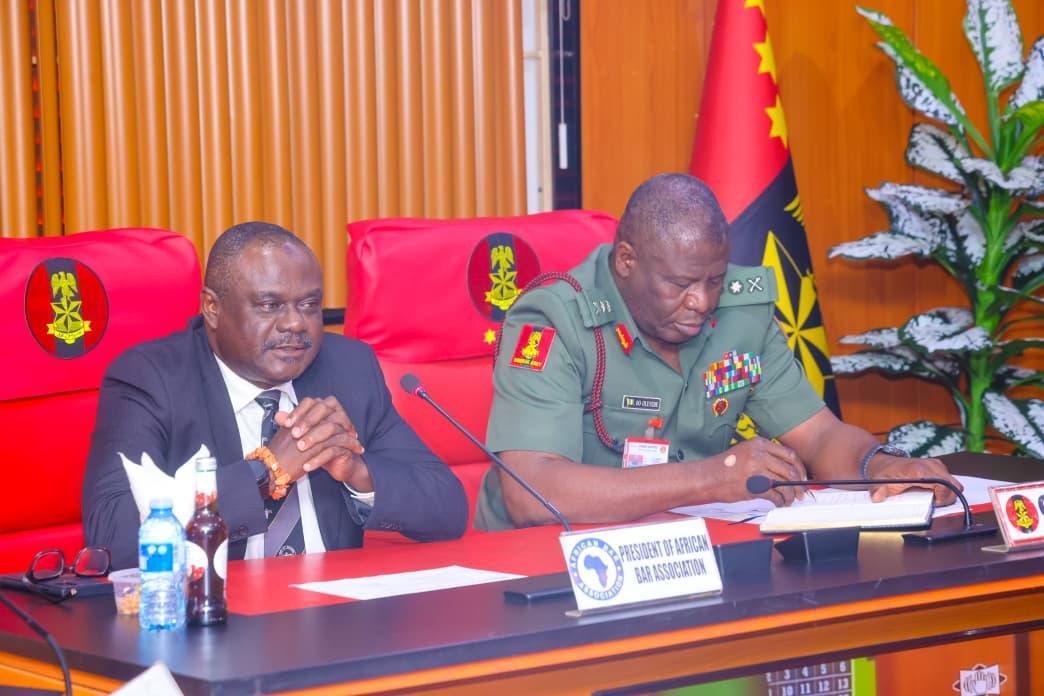
Africa bar association president advises lawyers to defend justice, freedom
Mr Mark reaffirmed that AfBA would continue to stand as a generational ally of the National Conference of Black Lawyers.

NationWide
NAF clarifies casualties in crashed aircraft, appreciates public support
Mr Ejodame said the NAF remains actively engaged with the bereaved families.

NationWide
Group hails FG for backtracking on ban of solar panel importation
Mr Terungwa commended the Minister of Innovation, Science and Technology, Kingsley Udeh, for supporting a gradual transition to domestic production.

Heading 3
UNICEF expresses sympathy for children, families as earthquake rocks Panama
UNICEF said it was ready to support the Government of Panama’s response if needed.

NationWide
IG deploys new spokespersons to commands, formations
Mr Disu charged the officers to uphold professionalism, accuracy and responsiveness in the discharge of their duties.

States
EFCC secures conviction of Lagos fraudster for laundering N132 million
The commission said Justice Osiagor ordered Mr Pelumi to undertake seven days of community service based on the sentencing.


