

Cryptocurrencies, other digital money can facilitate remittances: IMF
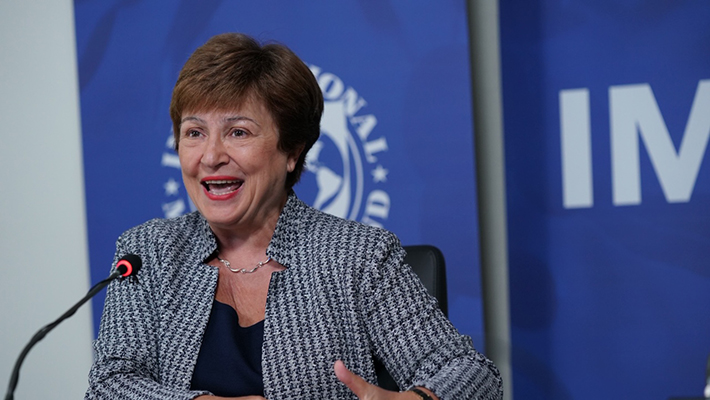
Kristalina Georgieva, Managing Director, International Monetary Fund (IMF), says the world is witnessing a revolution in digital money that can make remittances easier, faster, and cheaper.
Digital money is a currency that exists purely in digital form and not a tangible asset like cash or other commodities like gold or oil and can include but is not limited to cryptocurrencies.
She said this on Wednesday in Washington, D.C. during her opening remarks at the iLab Spring Meetings Virtual Workshop.
According to her, after a long period of development, the field is on the edge of major changes that can reshape cross-border payments and remittances.
She added that new digital money forms could provide a parallel boost to the vital lifelines that remittances provided to the poor and to developing economies.
Also, within the right framework, peer-to-peer transfers of central bank digital currencies or privately issued stablecoins could lead to shorter payment chains, faster transactions, and more competition among remittance providers.
Stablecoins are cryptocurrencies that attempt to peg their market value to some external reference and may be pegged to a currency like the U.S. dollar or to a commodity’s price, such as gold.
Ms Georgieva said remittances had always played a key role in improving people’s lives in developing economies and supporting economic activity.
She added that the biggest beneficiaries would be vulnerable people sending small value remittances, those most at risk from being left behind by the pandemic.
“As we look for ways to address the challenges of economic divergences across countries, we need to use every tool we can to support those most affected by the pandemic.
“And with the risk of a growing digital divide between rich and poor countries, we must also ensure that all countries can benefit from the latest innovations in digital money and payments, particularly remittances,” said the IMF boss.
She, however, said efforts were underway to improve cross-border payment systems under the Financial Stability Board’s 2020 roadmap.
“First, new forms of money must remain trustworthy. They must protect consumers, be safe and anchored in sound legal frameworks and support financial integrity.
“Second, domestic economic and financial stability must be protected by carefully designed public-private partnerships that underpin the provision of digital money, including fair competition.
“Third, frameworks should be geared toward ensuring the international monetary system remains stable and efficient,” she noted.
The managing director said countries needed to maintain control over monetary policy, financial conditions, capital account openness, and foreign exchange regimes.
“With our mandate to safeguard monetary and financial stability, the IMF has an important role to play in supporting our members to deliver on these priorities, and we are ramping up our capacity.
“In doing so, we will continue our close collaboration with key stakeholders, including the Financial Stability Board, the Bank for International Settlements, the World Bank, and industry players like those here today, and each must leverage its comparative advantage,” said Ms Georgieva.
For the IMF, she said that included using its expertise and experience in surveillance, capacity development, and policy development.
(NAN)

We have recently deactivated our website's comment provider in favour of other channels of distribution and commentary. We encourage you to join the conversation on our stories via our Facebook, Twitter and other social media pages.

More from Peoples Gazette

States
Independence: NBA urges Nigerians to expect better future
The NBA said that ordinary Nigerians should be deriving benefit from the subsidy removal rather than hardship.

Agriculture
FG tasks ECOWAS on leveraging financing strategies for agroecology
The federal government has urged stakeholders in the agriculture and finance sectors in the West Africa region to leverage financing strategies to enhance agroecology practices

Politics
Katsina youths pledge to deliver over 2 million votes to Atiku
“Katsina State is Atiku’s political base because it is his second home.”
Education
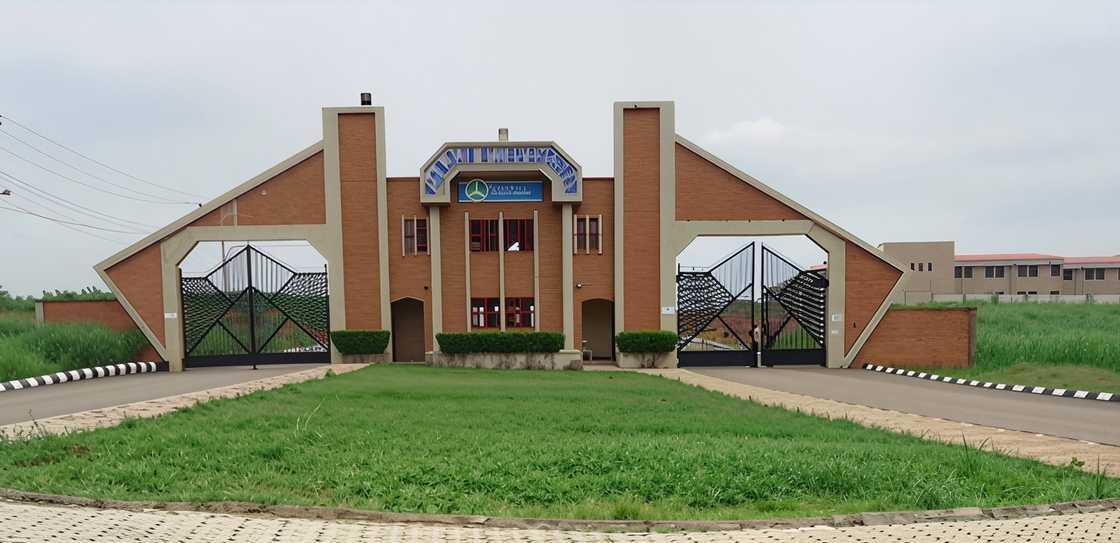
Caleb University graduates pioneer law students
According to the university, the college recorded a 94.6 per cent compliance rating from the Council of Legal Education (CLE).
Economy
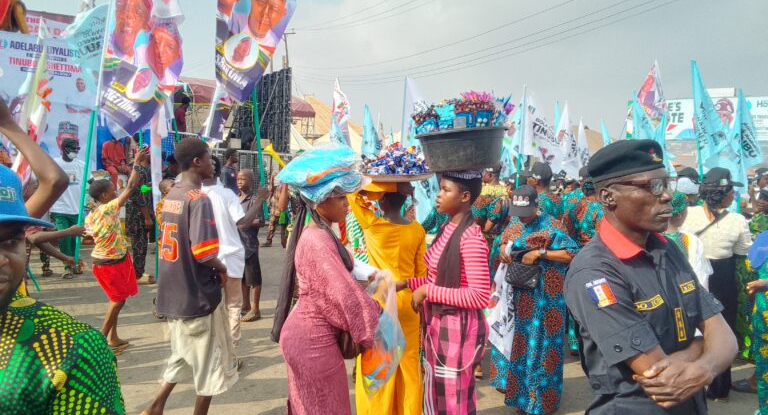
Business booms for Ibadan traders as residents prepare for Tinubu’s arrival
Traders made brisk business on Saturday ahead of President Bola Tinubu’s arrival for the APC presidential campaign at the historic Mapo Hall in Ibadan.

States
Shanono, Soba bridge, road projects to link 30 communities: KADRA
The Kaduna government has completed a bridge and embarked on road construction in Tudun Wada, connecting 30 communities.

Politics
Akpabio, APC leaders rally support for Tinubu’s re-election
Mr Akpabio cautioned members against violence and political provocation, insisting that opposition criticisms should be addressed at the ballot box.
Anti-Corruption
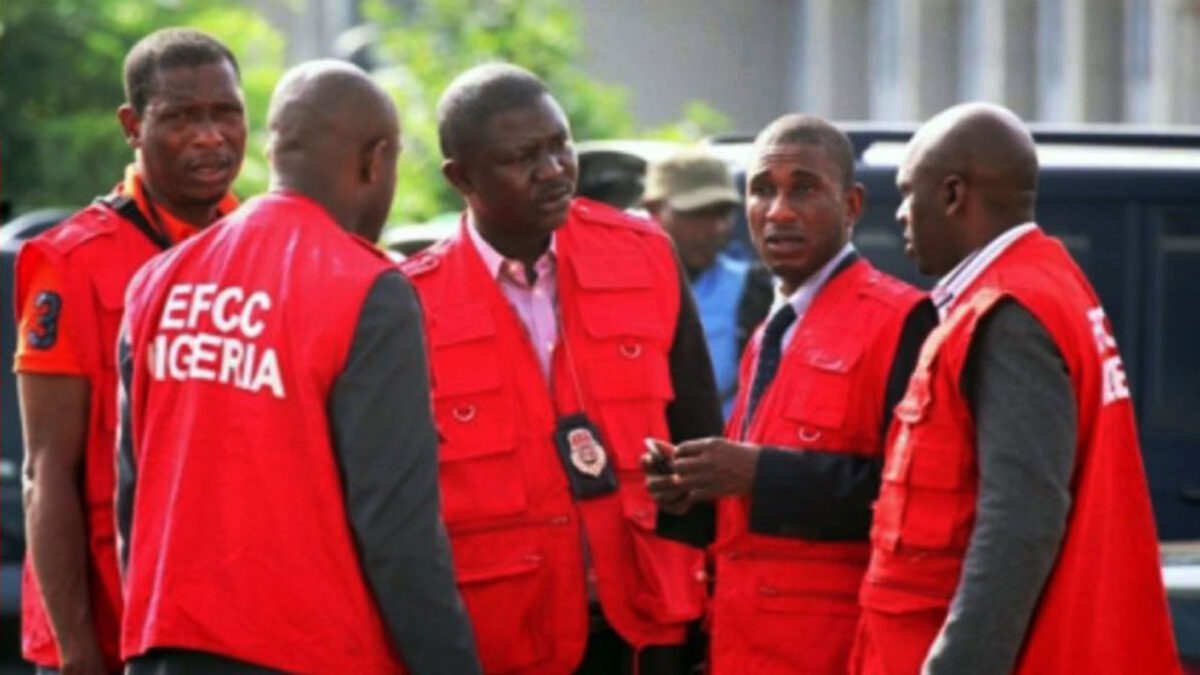
EFCC’s ₦26 billion meter contract forfeiture case against Ziklagsis adjourned
The court adjourned proceedings in a final forfeiture case involving ₦26 billion linked to an allegedly unexecuted electricity meter contract awarded to Ziklagsis Networks Limited.

NationWide
AI should complement teachers not replace them: FUEP
FUEP concluded its maiden international conference with a resolution that AI must complement, not replace, teachers’ professional judgement, empathy, and initiative.


