

Denmark pushes for agric, health cold chain system in Nigeria
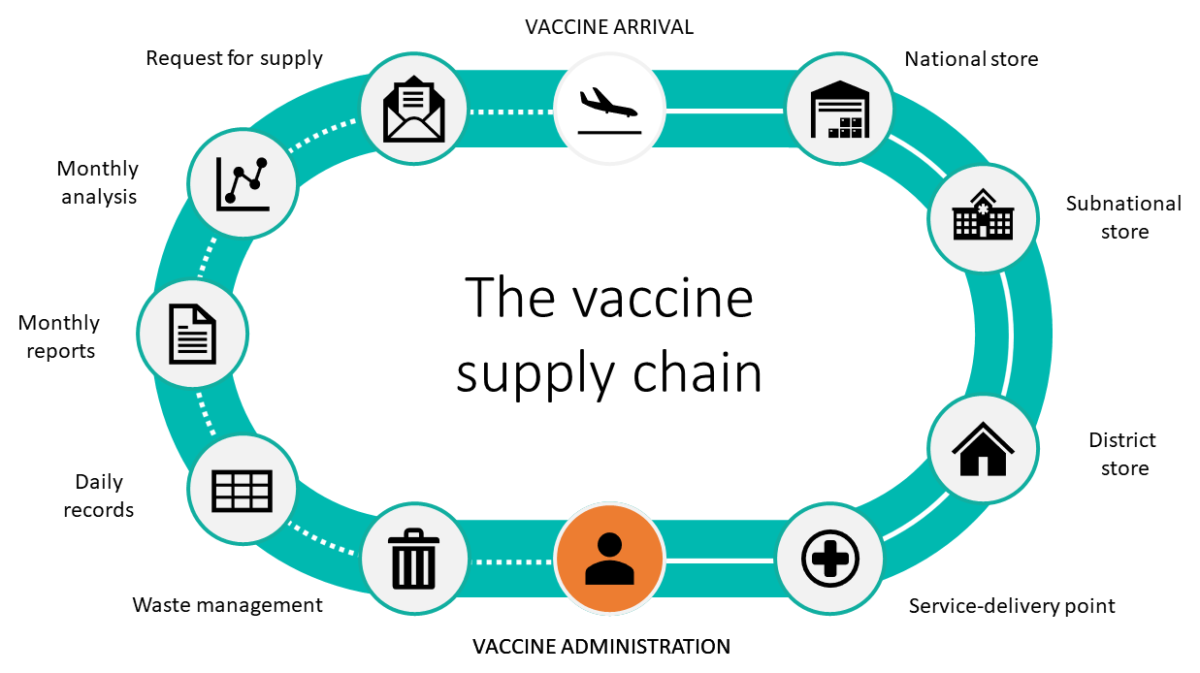
The Danish consul general is pushing for the development of a cold chain in Nigeria for the agriculture and health sectors.
Cold chain development was the course of discussion at a Cold Chain Roundtable on Climate-Resilient Infrastructure on Wednesday in Lagos.
The roundtable was in partnership with the Organisation for Technology Advancement of Cold Chain in West Africa (OTACCWA) and other stakeholders in the sector.
The Consul-General of Denmark and Head of Trade, Jette Bjerrum, said the Danish government was committed to partnering with African countries to promote sustainable growth, resilience, and climate adaptation.
She said, “This is the only strategic project that has been approved in the sub-Saharan Africa region in Copenhagen. Today is about linking classic cold-chain business with real climate adaptation initiatives. So, bridging these two thematic areas is very particular for Denmark, and that is happening now in Lagos, as the megacity of Nigeria and the key hub for a lot of things.’’
Ms Bjerrum said cold chains play a vital role in multiple sectors, but particularly in agriculture and in healthcare.
“We also know that it is very energy intensive to run the cold chain infrastructure, and if not managed sustainably, it can also contribute significantly to climate challenges. Denmark’s new Africa Strategy inaugurated last year emphasises our strong commitment to partnership with African countries to promote sustainable growth, resilience, and climate adaptation,” the consul said.
Ms Bjerrum reiterated that “climate change is not an abstract challenge; it is a daily reality affecting livelihoods, food security, and health systems. Addressing these challenges requires innovative, practical solutions—and cold chain is a sector where solutions can have immediate, tangible impact.
“Danish companies and institutions bring decades of experience in developing energy-efficient cooling technologies, renewable energy integration and smart logistic systems, combined with the local expertise and the market knowledge here in Nigeria. We can create models that both reduce the greenhouse gas emissions and expand access to essential and important products,’’ she said.
Ms Bjerrum said the roundtable was not just about technology—it was about building partnerships.
“By working together across sectors and borders, we can strengthen the value chains that support farmers, improve public health outcomes, and build resilience against the effects of climate change,” Ms Bjerrum said.
On her part, the Special Adviser to the Lagos State Governor on Climate Change and Circular Economy, Titi Oshodi, commended the Danish consul for its initiative in promoting the cold-chain sector’s growth.
“We are excited that the Danish government has started to look along the line of providing solutions in the cold chain sector. Climate resilience is something that we have to start to introspectively look into, and we have to start looking at how it can be adaptable to our clime and to every reality that faces us.
“I commend the organisers for creating this platform to explore solutions at the intersection of climate change, food systems and health, adding that the impact of climate change is not a distant threat,’’ she said.
Ms Oshodi said that Nigeria loses up to 40 per cent of food produced to post-harvest losses and a weak preservation system.
“This result in waste has become a significant challenge that threatens food security and economic and environmental stability. This is why cold chain systems are not simply a technical fix. They are a lifeline for food security, public health and climate resilience. So, solutions like this are crucial,” the special adviser said.
Also, the President of OTACCWA, Alexander Isong, restated the need to invest more for the growth of Nigeria’s cold-chain sector.
He stated, “The cold-chain sector in Nigeria is not just an infrastructure challenge—it is a national development imperative. Addressing its deficits will unlock food security, reduce health risks, and catalyse economic growth. With strategic investment, policy coherence, and climate-resilient innovation, Nigeria can transform its cold-chain landscape from a bottleneck into a backbone. Treating cold chains as climate-resilient infrastructure—not a peripheral cost—lets Nigeria convert today’s losses into tomorrow’s incomes and health outcomes.
“With targeted, standards-driven, clean power investments across food and vaccine supply chains, Nigeria can reduce waste, save lives, build export credibility, and crowd in green capital at scale.’’
Mr Isong said OTACCWA would remain committed to partnership and the national acceleration programme to better Nigeria’s cold-chain sector.
(NAN)

We have recently deactivated our website's comment provider in favour of other channels of distribution and commentary. We encourage you to join the conversation on our stories via our Facebook, Twitter and other social media pages.

More from Peoples Gazette

Agriculture
FG tasks ECOWAS on leveraging financing strategies for agroecology
The federal government has urged stakeholders in the agriculture and finance sectors in the West Africa region to leverage financing strategies to enhance agroecology practices

Politics
Katsina youths pledge to deliver over 2 million votes to Atiku
“Katsina State is Atiku’s political base because it is his second home.”
NationWide
Insecurity: Nigeria adopts victim-centred reintegration plan to strengthen communities
The national coordinator of the National Counter Terrorism Centre (NCTC), Maj

Education
Suspension of WAEC, NECO fee hike victory for Nigerians, says Obi
“Education is a fundamental right and a public good, not a source of government revenue,” he said.

Abuja
Police arraign three over alleged murder of Abuja businessman Adimike Godwin
The court adjourned the case until September 30 for further proceedings.

World
U.S.-Iran War: Egypt, Saudi Arabia call for de-escalation, freedom of Strait of Hormuz navigation
Egypt and Saudi Arabia called for freedom of navigation in the Strait of Hormuz in accordance with international law.
Uncategorized
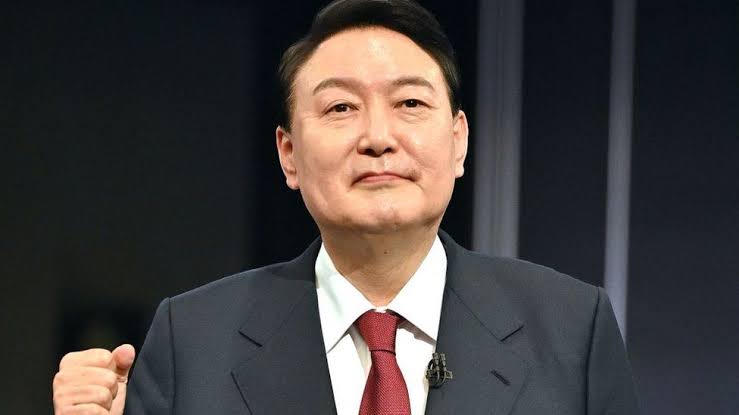
Ex-South Korea president Yoon Suk Yeol jailed two years for political funding violation
Mr Suk Yeol was found guilty of illegally receiving free opinion polling services worth 270 million won ($179,800) from a political broker.

States
287 rights violations recorded in Gombe in six months: NHRC
Mr Wanshe said that out of the 287 cases received, 215 involved violations of women’s and children’s rights.


