


Developing countries to get $275 billion in IMF’s new SDR allocation
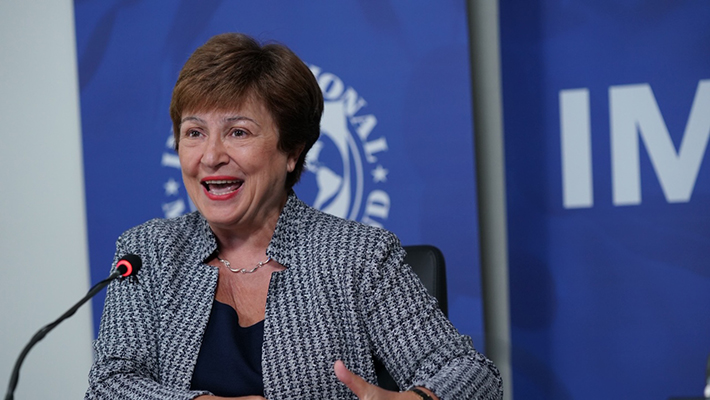
The International Monetary Fund (IMF) announced on Monday that its new allocation of Special Drawing Rights (SDRs) is equivalent to $650 billion.
The largest in IMF’s history, it comes into effect to help countries recover from the COVID-19 pandemic.
“The allocation is a significant shot in the arm for the world and, if used wisely, a unique opportunity to combat this unprecedented crisis.
“The SDR allocation will provide additional liquidity to the global economic system supplementing countries’ foreign exchange reserves,” IMF’s Managing Director Kristalina Georgieva said in a statement.
She added that countries could use the space provided by the SDR allocation to support their economies and step up their fight against the crisis.
SDRs are being distributed to countries in proportion to their quota shares in the IMF.
According to the IMF, about $275 billion of the new allocation would go to emerging and developing countries, of which low-income countries would receive about $21 billion.
The announcement came weeks after the board of governors of the IMF finally approved the SDR allocation proposal on August 2, which was delayed for more than a year.
The United States, the IMF’s biggest shareholder with unique veto power, blocked the proposal last year under the Donald Trump administration.
The Joe Biden administration quickly reversed the position and voiced its support for the plan earlier this year.
The SDR allocation proposal gained wide support during the virtual spring meetings of the IMF and the World Bank held in April. G20 finance ministers and central bank governors, as well as officials from other IMF members, backed the plan.
The SDR, an international reserve asset created by the IMF in 1969 to supplement its member countries’ official reserves, can be exchanged among governments for freely usable currencies in times of need.

We have recently deactivated our website's comment provider in favour of other channels of distribution and commentary. We encourage you to join the conversation on our stories via our Facebook, Twitter and other social media pages.

More from Peoples Gazette

Agriculture
FG tasks ECOWAS on leveraging financing strategies for agroecology
The federal government has urged stakeholders in the agriculture and finance sectors in the West Africa region to leverage financing strategies to enhance agroecology practices

Politics
Katsina youths pledge to deliver over 2 million votes to Atiku
“Katsina State is Atiku’s political base because it is his second home.”

World
FBI declares man wanted for drug trafficking
The suspect is wanted for his alleged involvement in drug activities in Minneapolis, Minnesota.
States
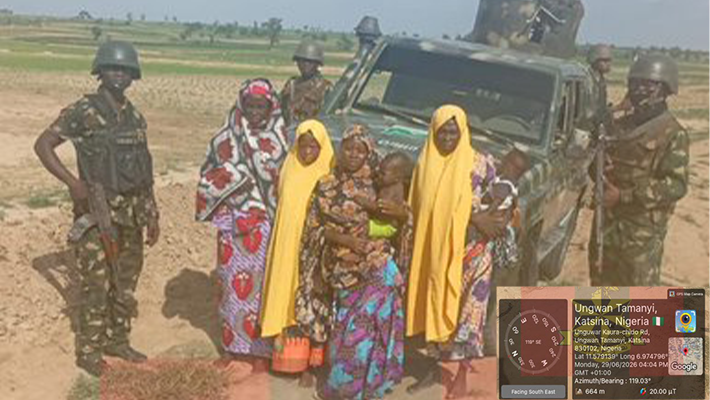
Troops rescue six kidnap victims in Katsina
The victims were abducted by armed bandits from Unguwan Lado in Kankara Local Government Area on June 22, 2026.

States
Gunmen invade mining site, kill three people in Plateau village
Mr Tengwong said two people were also injured in the attack.

NationWide
Court fixes July 7 for hearing in PDP, INEC suit
Justice Ibrahim also ordered the parties to file and serve their processes as agreed by July 6.

Economy
Investors gain N653 billion as stock market rebounds
The gain was driven by renewed buying interest in large and mid-cap stocks.
Economy
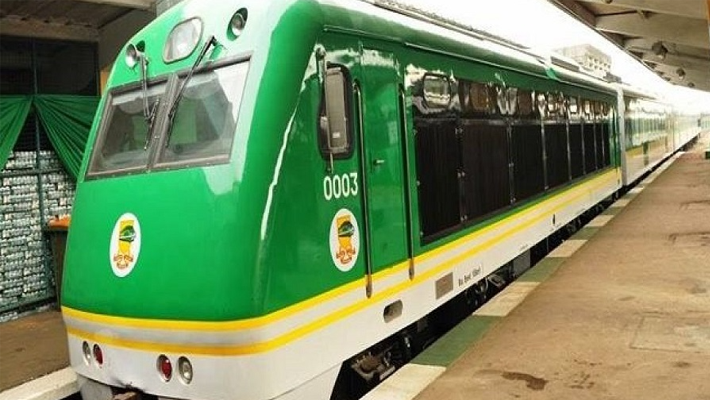
NRC to suspend Kajola-Apapa train service
The temporary suspension will take effect from July 6, while the service will resume on July 27.


