

Eating wild meat increases zoonotic diseases risk: UN Report
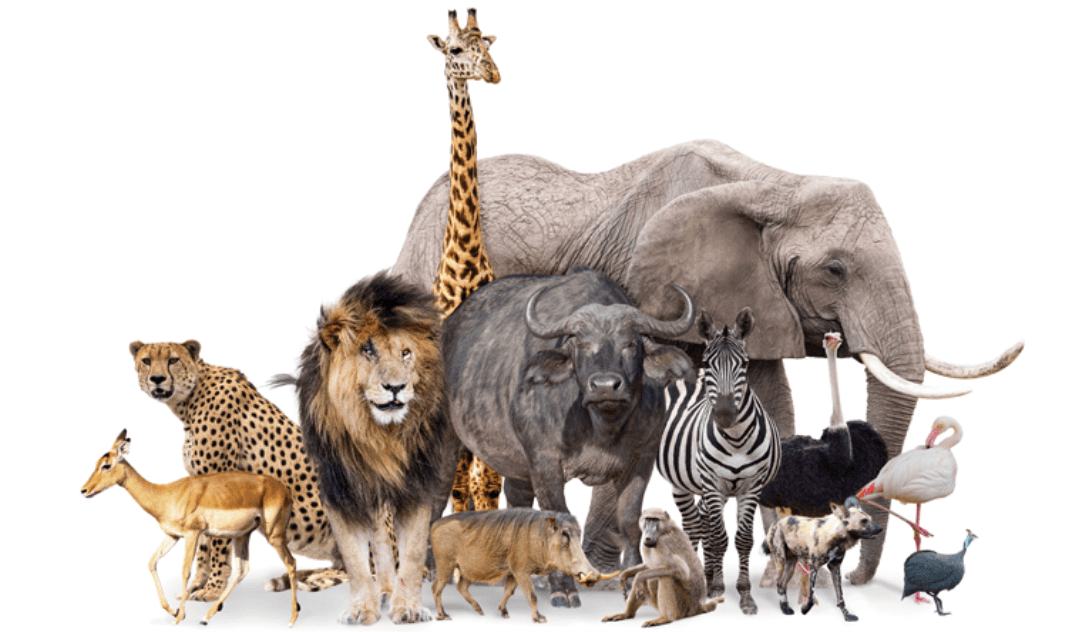
Eating the meat of wild animals has significant impacts on most species protected under the Convention on the Conservation of Migratory Species of Wild Animals (CMS), including increasing the risk of zoonotic diseases.
According to a new report released on Wednesday, 70 per cent of mammal species protected under the CMS are used for wild meat consumption.
It stated that this has led to a drastic decline and the extinction of several migratory mammal populations.
According to the report, wild meat is often a major driver for legal and illegal hunting, particularly of ungulates – primarily large mammals with hooves – and primates, especially during times of conflict or famine and in the course of changing land use.
About 67 of the 105 species studied were recorded as hunted. Of these 67 species, the largest intended use (47) was for wild meat consumption.
Other purposes were cultural tradition, medicinal use, human-wildlife conflict, unintentional take, and sport or trophy hunting.
The report noted there was strong evidence that zoonotic disease outbreaks are linked to human activities.
The taking of wild meat and consumption has been identified as the direct and causative agent for the spill-over into humans for Monkeypox virus, SARS, Sudan Ebola virus, and Zaire Ebola virus, with subsequent human-to-human transmission.
In total, 60 zoonotic viral pathogens were reported as hosted by the 105 migratory species studied.
Encroachment into remaining intact habitats through infrastructure and economic activities has made vast new areas accessible for wild meat taking, increasing the risk for humans.
Executive Director of the UN Environment Programme (UNEP), Inger Andersen, pointed out that “the COVID-19 pandemic has taught that the overexploitation of nature comes at a heavy cost.”
“We urgently need to depart from business as usual. In so doing, we can save many species from the brink of extinction and protect ourselves from future outbreaks of zoonotic diseases,” she said.
For CMS Executive Secretary Amy Fraenkel, the report “indicates for the first time a clear and urgent need to focus on domestic use of protected migratory species of wild animals, across their range.”
The study also documented links between hunting and the declining population trends of several species.
Around 77 per cent, or 40 out of 52, of the CMS species, that IUCN assessed as having decreasing populations were recorded as threatened by hunting.
For example, all chimpanzee subspecies and three of the four gorilla subspecies reported as significantly threatened by hunting are also experiencing large population declines.
Overall, the report found that taking or poaching the mammals directly impacted the populations of more than half of the studied species, with high impacts for at least 42 per cent.
(NAN)

We have recently deactivated our website's comment provider in favour of other channels of distribution and commentary. We encourage you to join the conversation on our stories via our Facebook, Twitter and other social media pages.

More from Peoples Gazette

States
Independence: NBA urges Nigerians to expect better future
The NBA said that ordinary Nigerians should be deriving benefit from the subsidy removal rather than hardship.

Agriculture
FG tasks ECOWAS on leveraging financing strategies for agroecology
The federal government has urged stakeholders in the agriculture and finance sectors in the West Africa region to leverage financing strategies to enhance agroecology practices

Politics
Katsina youths pledge to deliver over 2 million votes to Atiku
“Katsina State is Atiku’s political base because it is his second home.”

Health
Zamfara NMA intensifies surveillance against Ebola
He said the NMA has developed an incident action plan to create public awareness about Ebola.

States
Customs seize contraband worth N80 million in Adamawa
The comptroller of the command urged the public to treat security as a collective responsibility.
Abuja
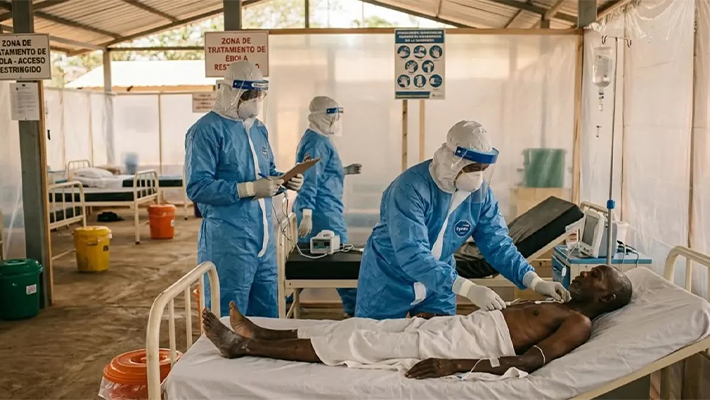
FCT directs health facilities to strengthen Ebola preparedness
Ms Fasawe added that trained burial teams would work with families and religious leaders to ensure safe and dignified burials.
Rights
Africa CDC says global health agencies ‘not interested’ in Bundibugyo Ebola vaccine
The deadly strain has killed over 4,500 people across the DR Congo, Uganda and most recently, Kenya.

Heading 2
FG upgrades Katsina transmission network to boost power supply
The minister said that the project represented practical progress under Mr Tinubu’s administration.
Lagos
Lagos agency seeks stronger laws against digital violence on women
Ms Odekunle warned that online abuse could spread rapidly across multiple platforms.


