

Electric vehicles will ease Nigeria’s transportation challenge, say auto experts
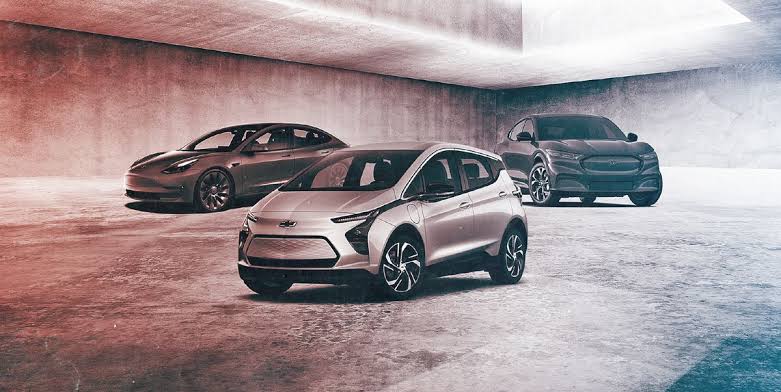
Automobile technology experts have said electric vehicles technology if supported by stakeholders will ease Nigeria’s transportation challenges and drive sustainable development.
They spoke during an interview on Saturday in Abuja.
An automotive technician at Kugbo, Gbenga Bada, urged the government to create more awareness about the benefits of EVs as well as invest in the infrastructure that would stimulate its growth.
He said, “Many Nigerians are still unaware of the benefits and availability of electric vehicles. There is also skills and maintenance gap; there is the need for more trained technicians for electric vehicles maintenance.’’
He acknowledged government’s efforts through agencies such as the National Automotive Design and Development Council in promoting EV adoption.
He stated, “I think they have launched some EV charging stations and unveiled locally assembled electric buses. The government aims to achieve 30 per growth in electric mobility, aligning with the National Automotive Industrial Development Plan. China is also investing in EV factories in Nigeria, tapping into the country’s lithium reserves.’’
According to him, there is growing EV presence and estimates suggest there are now between 15,000 to 20,000 EVs on Nigerian roads as of early 2025 which is a significant increase from previous years.
He also said the Nigerian market offers considerable potential for EVs growth with its large and growing population, increasing urbanisation.
He said through private sector initiatives global brands were already making their presence felt in Abuja and Lagos.
A renewable energy expert, Austin Emmanuel, said that by investing in EVs, the Federal Government would be sending a signal about its commitment to reducing greenhouse gas emissions.
He said successfully integrating it into the nation’s transport sector would bolster the economy through job creation and ease of movement of humans and goods.
Mr Emmanuel said that Nigeria possessed abundant renewable energy resources such as solar and wind, which could sustainably support the functionality of EVs.
He stated, “Nigeria has also pledged to achieve 100 per cent zero-emission sales for new cars and vans by 2040. This aligns with global climate goals and the need for cleaner transportation solutions should create a strong demand for EVs.
“The SAGLEV Electromobility Nigeria Limited has launched an EV assembly plant in Lagos, with a target of 10,000 vehicles annually. They are also assembling BRT buses and passenger cars.’’
He said Nigeria’s potential for EVs impact is remarkably high because its vibrant tech ecosystem provides an opportunity for EVs research and development.
A graduate of Transport Planning and Management, Asabe Daniel, said that EVs would be cost-effective in the long run.
Ms Dniel stated, “Initial purchase costs may be high, but in the long run EVs will be generally cheaper to run and maintain due to differences in fuel costs.’’
She also called for investment in renewable energy sources to power the EVs battery charging infrastructure in Nigeria.
“There is a need for a concerted effort involving public and private sector investment if Nigeria will maximize the potential in EVs. To pave the way for a sustainable and successful transition to electric mobility, strong collaboration between the government, private sector, and international development partners is crucial,’’ she said.
Recall that among other initiatives to support electric vehicles adoption in Nigeria, the Federal Government recently approved contracts worth nearly N152 billion to introduce EVs in the North-East.
Presidential spokesperson, Bayo Onanuga, said the contracts, approved by the Federal Executive Council, aimed to promote energy efficiency and reduce carbon emissions in the region.
According to him, the contracts include N2.9 billion awarded to Bluecrest Integrated Concept Limited for 10 17-seater electric buses, while Mutual Commitment Company Limited will supply 4,000 e-tricycles for N49.6 billion.
He said that Shanghai Integrated Infrastructure Development and Sinoma Investment International Limited would provide an additional 6,000 e-tricycles for N37.2 billion and N16.3 billion, among others.
(NAN)

We have recently deactivated our website's comment provider in favour of other channels of distribution and commentary. We encourage you to join the conversation on our stories via our Facebook, Twitter and other social media pages.

More from Peoples Gazette

Agriculture
FG tasks ECOWAS on leveraging financing strategies for agroecology
The federal government has urged stakeholders in the agriculture and finance sectors in the West Africa region to leverage financing strategies to enhance agroecology practices

Politics
Katsina youths pledge to deliver over 2 million votes to Atiku
“Katsina State is Atiku’s political base because it is his second home.”

Anti-Corruption
Tinubu orders ICPC to investigate Gbajabiamila, others allegedly involved in PFIPC bribery, forgery scandal
The president directed that the investigation be concluded and a comprehensive report submitted to him within 30 days.

Heading 2
Messi’s redemption inspires Argentina to stunning World Cup comeback win over Egypt
Argentina will face the winner of the round-of-16 match between Colombia and Switzerland for a place in the semifinals.
Africa
AU appoints Nigeria’s humanitarian affairs minister Doro to AfHA board
The appointment positions Mr Doro as one of West Africa’s representatives on the agency’s highest decision-making body.
NationWide
Medical academics give FG 21-day ultimatum over pay, threaten indefinite strike
The association said it had engaged the government through dialogue for more than 24 months without meaningful progress.

Lagos
Lagos to host horse race carnival, targets over 30,000 guests
“This race is about youth and sports development. It has been designed to inspire young people to embrace sports, especially horse racing,” he said.

NationWide
Dermatologists urge Nigerians to shun bleaching, prioritise healthy skin
Dermatologists urged Nigerians to prioritise healthy skin over skin colour to reduce the burden of skin diseases in the country.


