

Electricity tariff hike based on standard, not Nigerians’ poverty: FG

The Nigerian Electricity Regulatory Commission (NERC) says increasing electricity tariffs is based on its “standard operations,” not on the level of poverty Nigerians are battling.
Speaking on the issue, NERC’s spokesman Shaibu Shittu, stated, “As a commission, what we normally do is to do the standard operations.”
Meanwhile, the Coalition for Affordable and Regular Electricity (CARE), Oyo chapter, has kicked against the proposed upward review of electricity tariff by NERC.
CARE, in a statement jointly signed by its conveners, Akinbodunshe Shadrack and Ayodeji Adigun, on Tuesday, condemned the proposed hike in the electricity tariff effective from September 1.
“The attention of CARE has been drawn to the news of the recent approval of a new hike in electricity tariff to a value between N42.44 and N58.94 per KWh,” said the group. “This depends on the respective class of the electricity consumers. The Nigerian Electricity Regulatory Commission NERC has also reportedly issued a subsequent directive to all the Electricity Distribution Companies (DISCOs) to commence the implementation of the new tariff from September 1.”
The group said it “rejects both the approval of the new tariff hike and the subsequent directive by the NERC.
It pointed out that “this tariff hike at a time when the mass of the Nigerian working people are still struggling to cope with the adverse effects of socio-economic dislocations” occasioned by the COVID-19 pandemic and the pre-existing economic crisis “is inhuman.”
CARE argued that it did not see any justification for a new hike in electricity tariff, given that the previous electricity tariff increment has not translated into “any significant improvement in the electricity supply and its availability.”
“Instead, the electricity supply remains epileptic while the mass majority of the working people are forced by DISCOs to pay heavily for darkness,” the group’s statement claimed.
Reacting to the development, Busolami Tunwase, spokesperson for the Ibadan Electricity Distribution Company (IBEDC), said, “I’m not aware that IBEDC has communicated any hike in tariff to customers. If it’s a NERC directive, then please speak to NERC.”
(NAN)

We have recently deactivated our website's comment provider in favour of other channels of distribution and commentary. We encourage you to join the conversation on our stories via our Facebook, Twitter and other social media pages.

More from Peoples Gazette

States
Independence: NBA urges Nigerians to expect better future
The NBA said that ordinary Nigerians should be deriving benefit from the subsidy removal rather than hardship.

Agriculture
FG tasks ECOWAS on leveraging financing strategies for agroecology
The federal government has urged stakeholders in the agriculture and finance sectors in the West Africa region to leverage financing strategies to enhance agroecology practices

Politics
Katsina youths pledge to deliver over 2 million votes to Atiku
“Katsina State is Atiku’s political base because it is his second home.”

Heading 4
115 million Nigerians benefiting from Gavi’s solarisation of 371 health facilities
The organisation stated that solarisation provides clean, reliable and sustainable energy to health facilities.
Hot news Home top
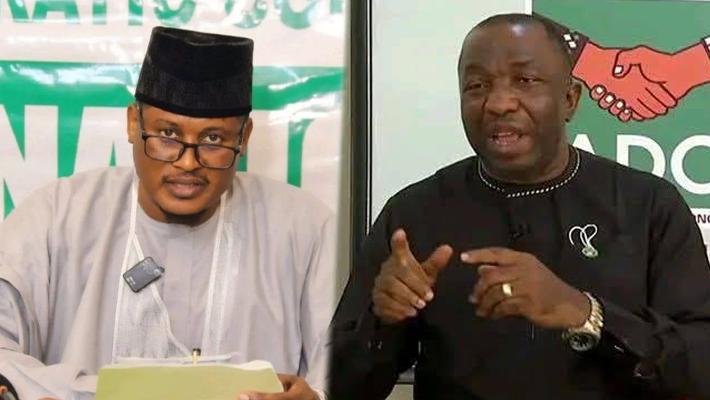
Bala used to beg for transport fare to attend ADC meetings; after going to court, he bought three bulletproof SUVs: Nwosu
According to him, Mr Gombe’s lifestyle changed after the legal dispute began.

States
NYSC members in Oyo receive October allowance after payment delay
The NYSC had attributed the delay to a technical glitch.

Heading 5
Ogun: Yayi pledges 24-hour power supply, infrastructure projects in Abeokuta
The CDC chairman described Mr Adeola as an experienced politician with the capacity to lead the state.
Education
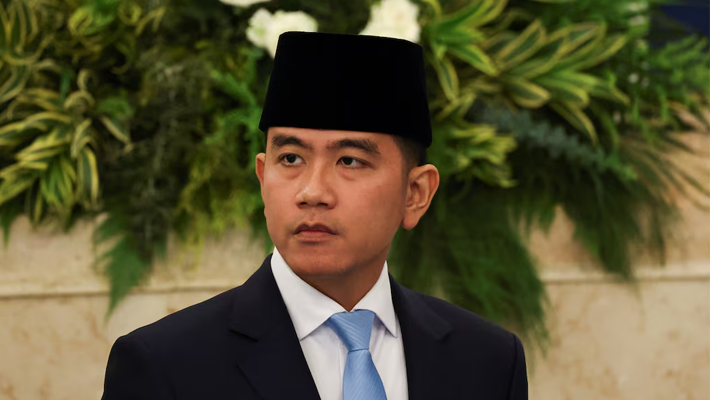
Indonesia’s VP considers resignation over education qualification scandal
Mr Gibran, 39, is the son of former Indonesian President Joko Widodo.

Lagos
Lagos targets additional 2,000MW electricity supply by March 2027
Mr Sanwo-Olu said reliable electricity remained fundamental to economic growth.


