

#EndHunger Protests: Nigerian Army admits killing 16-year-old boy by ‘mistake’
![Chief of Army Staff (COAS), Lt-General Taoreed Lagbaja [Photo Shettima]](https://gazettengr.com/wp-content/uploads/Chief-of-Army-Staff-COAS-Lt-General-Taoreed-Lagbaja-Photo-Shettima.png)
The Nigerian Army says its troops mistakenly killed a teenager during the #EndBadGovernance protests in Samaru town in Zaria, Kaduna on Tuesday.
A statement, shortly after the fatal shooting, by army spokesperson Onyema Nwachukwu said 16-year-old boy Ismail Mohammed was killed by a soldier who wanted to fire a warning shot to disperse hoodlums.
The army said it was alerted by a distress call that the protests in Samaru had turned violent and that hordes of hoodlums were “burning tyres on the road and pelting stones on security personnel.”
Mr Nwachukwu said troops were deployed to restore calm and enforce the curfew that Governor Uba Sani had earlier imposed but that the soldiers were fiercely resisted.
The army spokesperson said that the “hoodlums brazenly attempted attacking the troops, prompting a soldier to fire a warning shot to scare the hoodlums away, which unfortunately led to the death of a 16-year-old boy, Ismail Mohammed.”
The soldier who fired the fatal shot, according to Mr Nwachukwu, has been taken in for questioning while a delegation of officers was sent to condole with the bereaved and attend Mr Mohammed’s burial.
The deceased’s mother, Zainab Sani, said the shooting occurred around 9:00 a.m. at the family’s residence at Sarkin Pawa Street, Samaru, Zaria, by a soldier on patrol alongside his colleagues.
She said the late Isma’il was playing with his friends and brother in front of their house when they saw soldiers coming in their direction.
“With one of the soldiers pointing his gun at them, they ran into the house and shut the gate,” Ms Sani said.
Ms Sani alleged that the soldier, however, shot at the gate, thereby killing Isma’il, who stood by the gate to prevent the soldiers from gaining entry.
She added that his son had just written his final secondary school examination in Zaria and was seeking admission to further his education when the incident occurred.

We have recently deactivated our website's comment provider in favour of other channels of distribution and commentary. We encourage you to join the conversation on our stories via our Facebook, Twitter and other social media pages.

More from Peoples Gazette

States
Independence: NBA urges Nigerians to expect better future
The NBA said that ordinary Nigerians should be deriving benefit from the subsidy removal rather than hardship.

Agriculture
FG tasks ECOWAS on leveraging financing strategies for agroecology
The federal government has urged stakeholders in the agriculture and finance sectors in the West Africa region to leverage financing strategies to enhance agroecology practices

Politics
Katsina youths pledge to deliver over 2 million votes to Atiku
“Katsina State is Atiku’s political base because it is his second home.”
Education
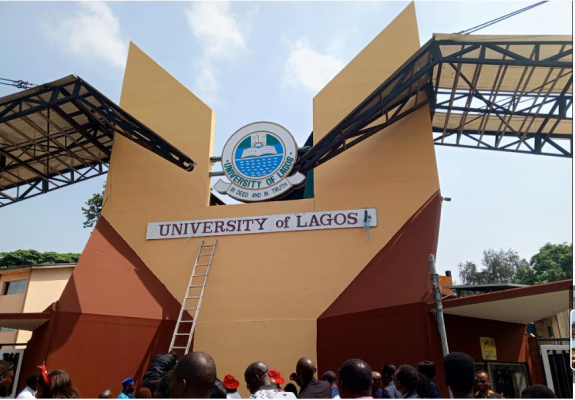
UNILAG to test new students for drugs, substances in toxicology screening
UNILAG urged newly admitted students to visit its website for further information.
Heading 1
2027: DMI backs Tinubu’s reforms, forms alliance with president’s support group
She maintained that DMI’s ultimate mission was to promote stronger institutions.

Heading 4
ADC kicks off 2027 campaign in Imo, promises grassroots development
Mr Ihedioha explained that he associated with the party’s candidates because of their integrity.
States
Kebbi: Hassan-Augie wins fresh APC primary for Argungu/Augie constituency
The party said the constituency had 44,784 registered delegates, while 34,332 votes were cast in the election.

Heading 2
Catholic Church inaugurates community care, good governance initiative in Enugu
The clergyman said that religious faith should go beyond worship to positively influence people’s lives.
Heading 5
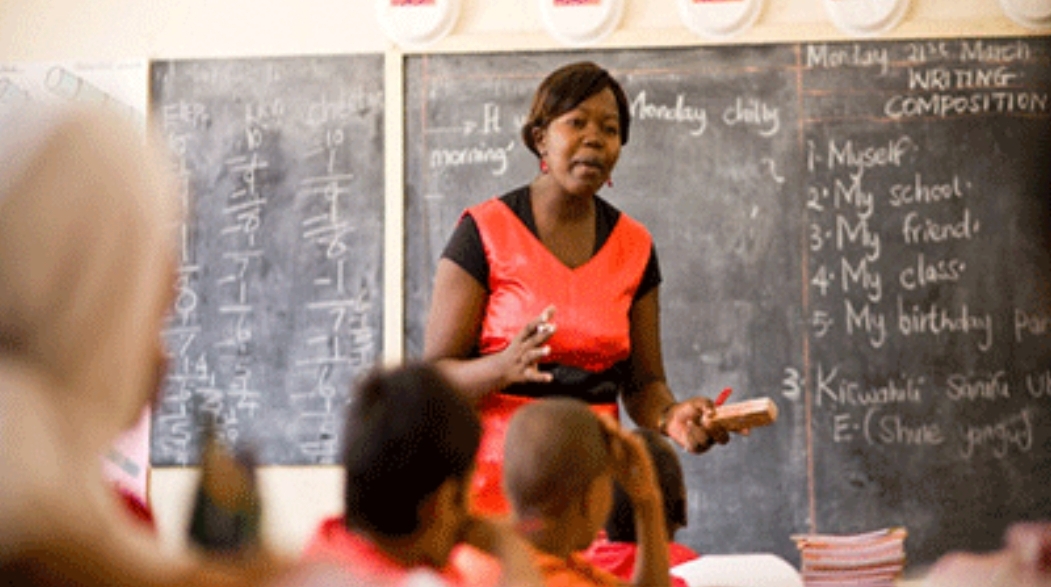
Group seeks curriculum review to tackle unemployment in Nigeria
Ms Mshelia urged parents to encourage their wards to acquire other skills in addition to Western education.


