

#EndSARS: A casual Generation Z finds its voice
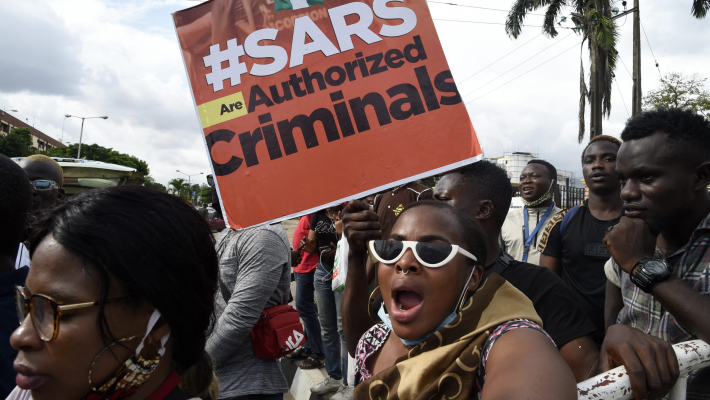
When a 21-year-old protester in Lagos spurned President Muhammadu Buhari as a ‘bad boy’ last week, it signaled the awakening of the ‘lazy’ Nigerian youth.
In the past week, young Nigerians have protested across the world with a single goal in view – an end to police brutality.
The central goal of this movement is to get authorities to disband SARS, a police unit established to combat armed robbery but now infamous for extorting money from people and killing some.
The country has been on a bumpy ride this year. Ordinary people have lost their job or taken a pay cut. Food prices are rising and electricity and petrol now cost more than they did last year.
Even university students have been out of school for most of this year because their lecturers are on a strike.
None of those issues made young people pour out. But when a young man in Ughelli was reportedly killed in police custody in September, the trigger was pulled.
#EndSARS is a revolt by mainly young people against decades of government failure and not just bad policing.
This revolt marks a cultural shift in Nigeria’s civic space: while older Nigerians who lived through military regimes in the 80s and 90s have been conditioned to accept bad government, Generation Z has not.
Generation Z in Nigeria (born after 1996) has never really experienced dictatorships. This lets people of this generation speak up without fear. Ordinarily, they were not always as bothered about political issues as they did video games and Instagram.
However, they previously have been apathetic about civic matters, instead focusing their energies on breaking away from traditional institutions. This is evident in the tech and creative sectors.
A central element in these protests is the use of social media and technology. It has been efficient for organising this movement from online to offline. Young people have rallied and pooled resources across the country for weeks using Twitter and WhatsApp.
On Monday, thousands of Nigerians responded to calls made on social media to come out as early as 4:00 a.m. to shut down the Lekki toll gate—an important route linking Lekki, a hub of residential and commercial activities, and Victoria Island, the main business district.
The move disrupted traffic in the city, forcing the Lagos governor Babajide Sanwoolu to show up and personally address the protesters.
The leadership of this movement is decentralised, and so is the funding. Crowdfunding home and abroad has sustained the movement.
Fintech startups like Flutterwave, founded by young people, have also become key actors in the movement – setting up donation links and cryptocurrency wallets to ease the process. In a few weeks, Feminist Coalition, a newly formed group of young Nigerian feminists, has raised N37 million through cash and bitcoin donations.
The money raised is being spent on food, water, security and medical services at protest venues. For example, donors are helping to pay off hospital bills for those hurt by police or other hostile groups, and the Feminist Coalition is accounting for the funds.
Young lawyers are volunteering to represent those detained without legal representation.
Nigerian youth have not taken over the streets alone. They have also gained the world’s attention. The #EndSARS hashtag has trended worldwide and there have been #ENDSARS protests around the world – in Paris, London, Johannesburg and Dublin.
A 21-year old woman said at a Lagos protest scene, “We don’t have any leader here. We’re all one. And I feel like they [government] are angry because we’re coming out here as ‘lazy Nigerian youth’ to protest. It is our right to protest. It is our right to exercise. Why are you shooting at us?”
It typifies the attitude of Generation Z in this movement.
Nigerian youth are leading themselves and blocking political interests and politicians who can hijack the protests.
They are refusing to pick leaders for their movement while they continue pressing for change, and in this ‘disorganised’ organisation lies the power of this generation.

We have recently deactivated our website's comment provider in favour of other channels of distribution and commentary. We encourage you to join the conversation on our stories via our Facebook, Twitter and other social media pages.

More from Peoples Gazette

States
Independence: NBA urges Nigerians to expect better future
The NBA said that ordinary Nigerians should be deriving benefit from the subsidy removal rather than hardship.

Agriculture
FG tasks ECOWAS on leveraging financing strategies for agroecology
The federal government has urged stakeholders in the agriculture and finance sectors in the West Africa region to leverage financing strategies to enhance agroecology practices

Politics
Katsina youths pledge to deliver over 2 million votes to Atiku
“Katsina State is Atiku’s political base because it is his second home.”
States
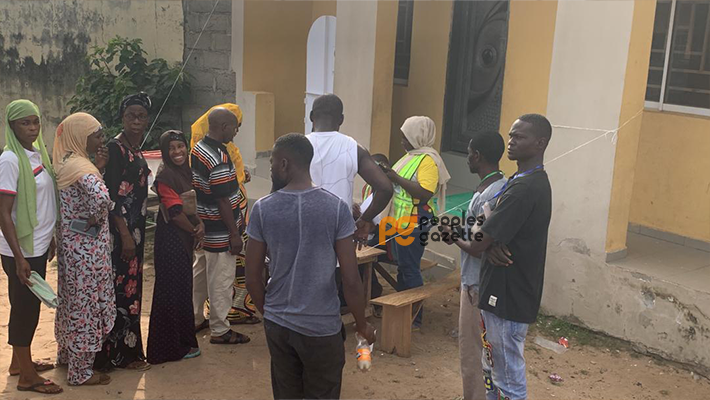
Kogi LG Polls: KOSIEC chairman, observers express satisfaction with voter turnout
The chairman assured voters of the commission’s neutrality.

States
Zulum seeks stronger military operations around Lake Chad
Mr Zulum stressed that military clearance operations must be followed by effective stabilisation measures.
Africa
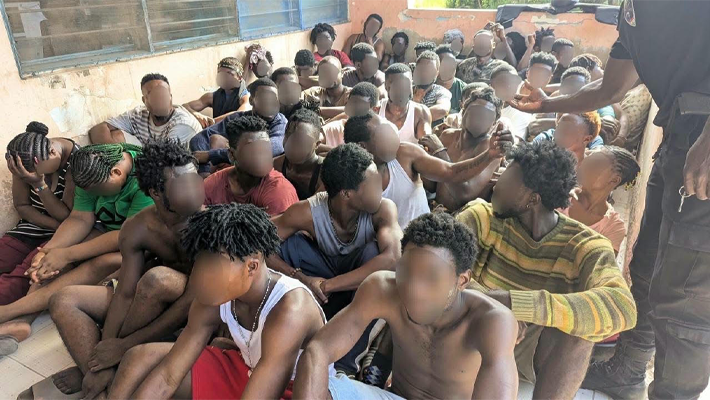
Police arrest 41 suspects over alleged drug activities in Ghana
The police said the suspects were arrested on Thursday during raids on targeted locations.

States
Health workers’ strike disrupts services at Katsina public hospitals
The Assembly of Health Professionals embarked on a one-week warning strike.
States
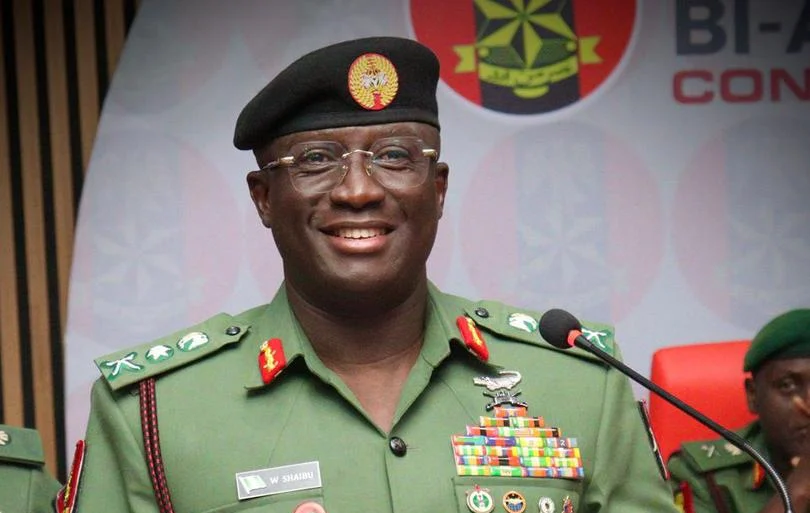
2027: COAS Shaibu charges troops on credible elections, professionalism
The army chief said much was expected of the troops in the discharge of their constitutional responsibilities.

States
Gov Sani commences N2 billion compensation for 865 property owners affected by road projects
Mr Sani said the payments demonstrated his administration’s commitment to infrastructure development while protecting citizens’ rights.


